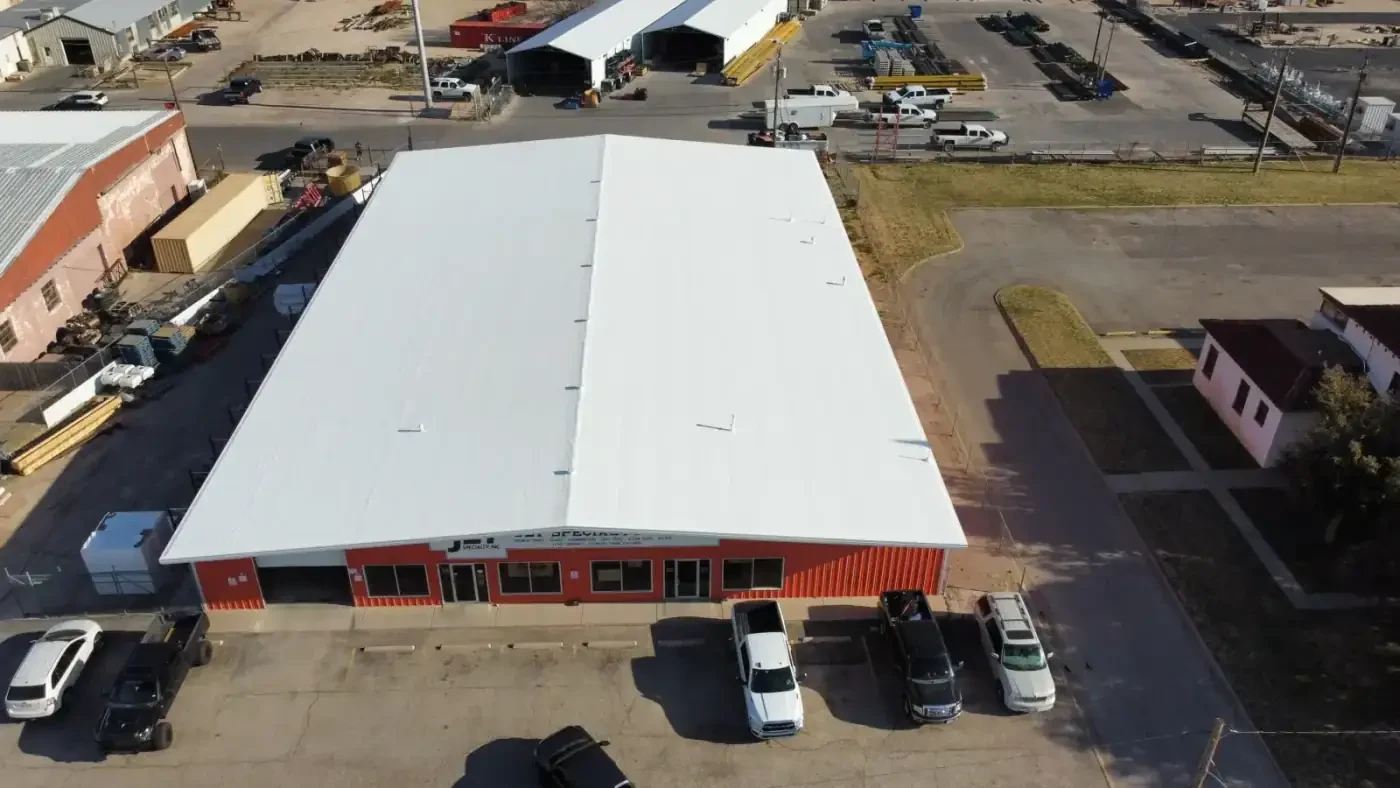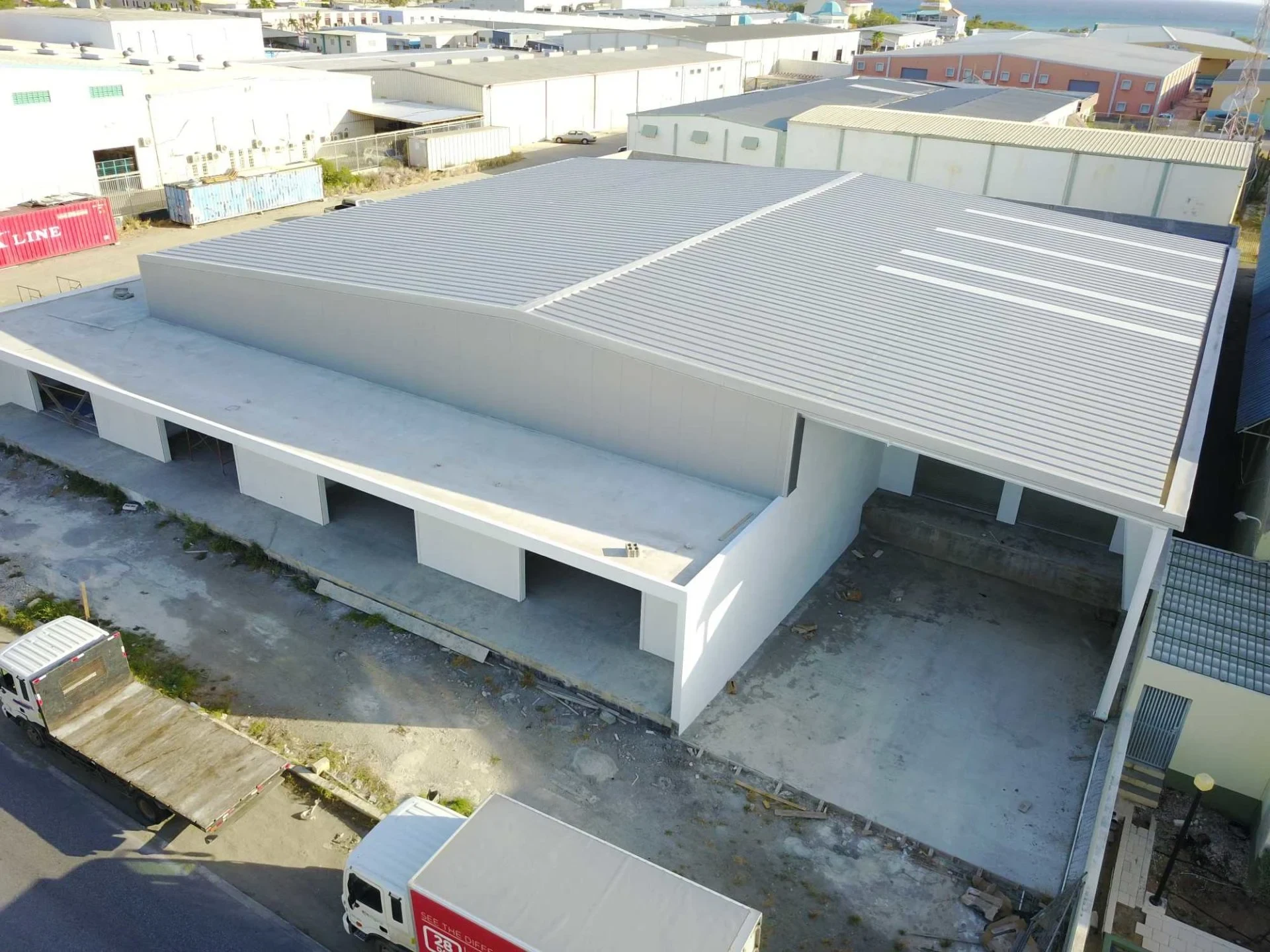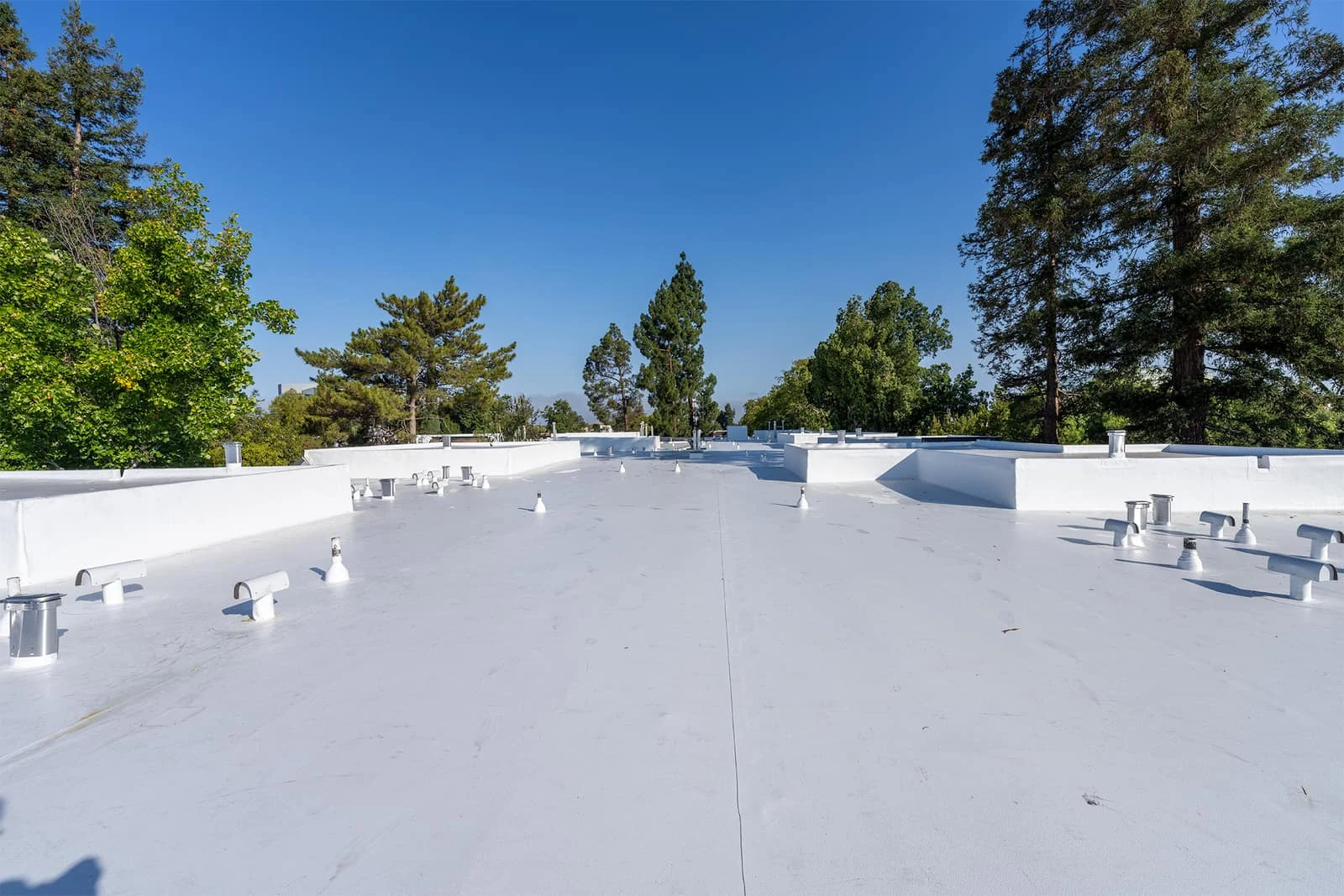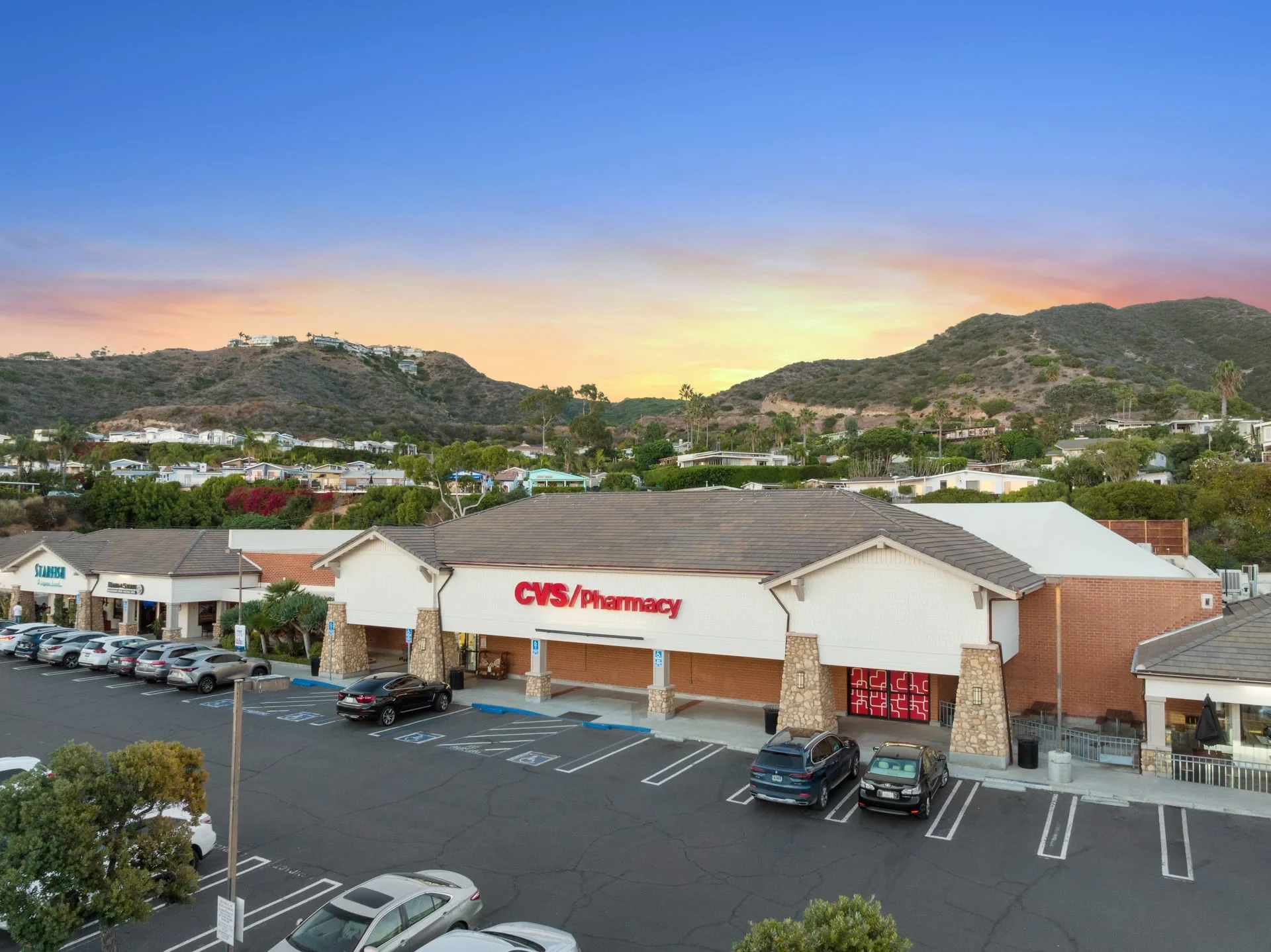
Big-box retail buildings around Valley View Mall and along the Tanglewood corridor share a common design: a large open sales floor under a single expansive low-slope roof, with a rooftop mechanical load dense enough to serve tens of thousands of square feet of conditioned retail space. Re-roofing a building like this without disrupting daily sales takes a level of sequencing planning that a smaller commercial project doesn't require.
National and regional retailers operating big-box stores in this market almost never want to close for a roof replacement, and most don't have to. We phase tear-off and dry-in across sections sized to what the crew can fully seal in a single shift, and we schedule the noisiest demolition work for early morning hours before store opening, minimizing the disruption customers on the sales floor actually notice.
Retail store managers care about two things above all else during a re-roof: no leaks reaching merchandise, and no unexpected closures. We build both into the project plan from the start, with contingency staging for weather that could otherwise leave a section exposed overnight.
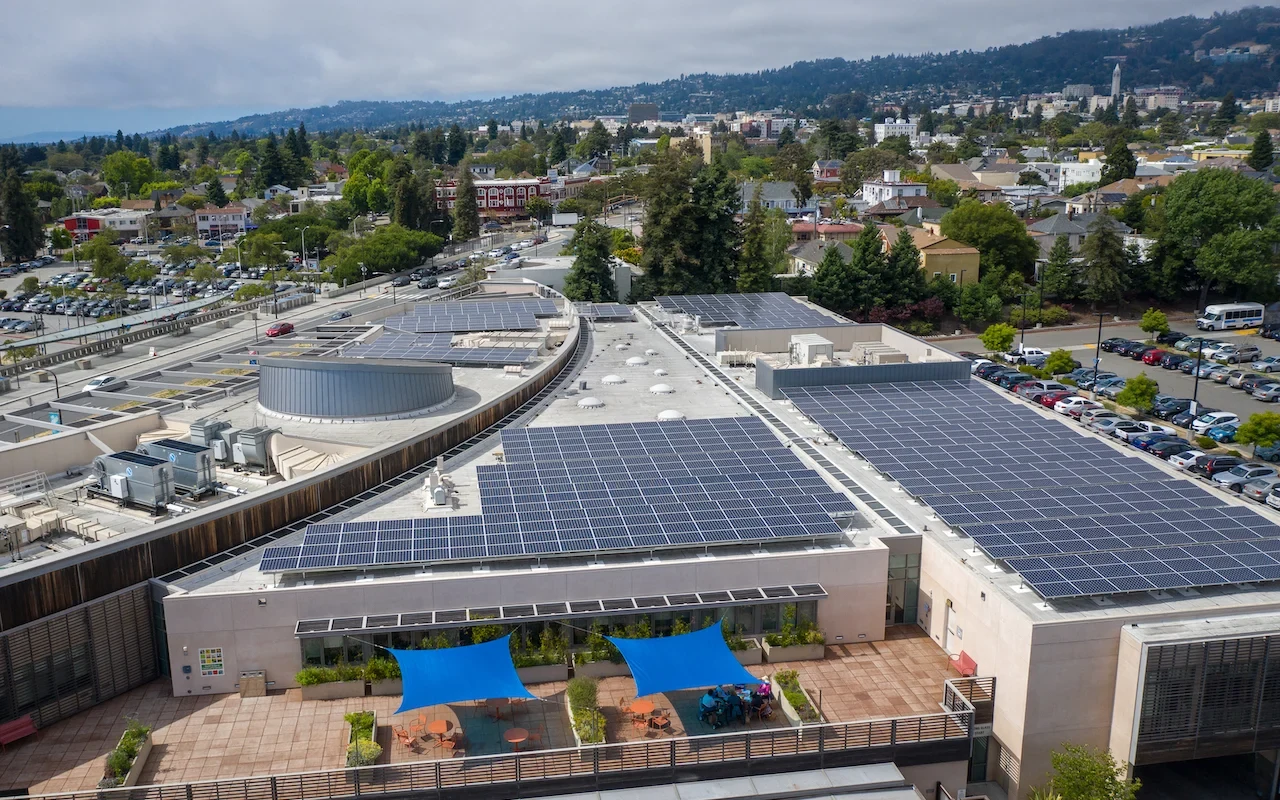
Big-box retail rooftops typically carry a dense field of packaged rooftop HVAC units serving different zones of the sales floor, each with its own curb and a fastening detail that has to match the field membrane exactly. We inventory every curb before tear-off begins, noting condition and age, since retrofitting a re-roof around units of mismatched vintage is common on buildings that have swapped out individual HVAC units over the years without ever replacing the whole roof.
Where an HVAC unit is near the end of its service life, we flag that to the property owner during the roofing scope rather than flashing carefully around a unit that's likely to need replacement within a year or two of the new membrane going in.
Big-box retailers also tend to lease their building rather than own it, which means roofing decisions route through a landlord relationship layered on top of the store's own facilities team. We keep both parties informed through the project, since a landlord's capital budget cycle and a retailer's operational urgency don't always move at the same pace, and misalignment there is a common source of delay on these projects.
Many big-box retailers use tubular daylighting devices or larger skylights across the sales floor to cut lighting costs, and these penetrations, while individually small, add up to a meaningful count across a large footprint. We inspect skylight tube flashing and gasket condition as part of every big-box assessment, since a leak at one of these smaller penetrations still means water reaching merchandise below.
A big-box roof moves an enormous volume of water during a heavy Roanoke Valley thunderstorm, and drainage design has to account for that scale. We evaluate drain and scupper capacity against the building's full roof area rather than assuming the original design still matches current storm intensity, particularly on older buildings that have seen rooftop equipment additions reduce effective drainage paths over the years.
Loading dock and receiving-area roof sections see a different traffic pattern than the sales floor roof, with more foot traffic from receiving staff and a higher chance of accidental membrane damage from pallet jacks or stored materials left on the roof itself. We inspect these sections separately and flag any stored debris or equipment left on the membrane as a maintenance issue for the store to correct.
Retailers in this market have hard constraints around their busiest sales windows, and a roofing project scheduled without accounting for that calendar creates unnecessary friction. We plan major tear-off work outside peak seasonal sales periods wherever the roof's condition allows for that flexibility, and we build weather contingency into every schedule so a project doesn't run into a high-traffic period it was meant to avoid.
In nearly every case, yes. We phase the work in sections that get fully sealed within a single shift and schedule the loudest demolition work before store hours.
We inventory every curb and unit before starting, noting age and condition, and flag any unit likely to need replacement soon rather than building a new membrane detail around equipment that won't last.
Yes, wherever the roof's condition allows the flexibility. We schedule major tear-off outside your busiest sales windows and build in weather contingency to avoid running into a high-traffic period.
HVAC curbs and skylight tube penetrations, more often than the field membrane itself, particularly on buildings that have had equipment swapped out piecemeal over the years.
Against the full roof area and current storm intensity, not only the original design spec, especially where rooftop equipment additions have reduced the drainage paths available since the building was first built.