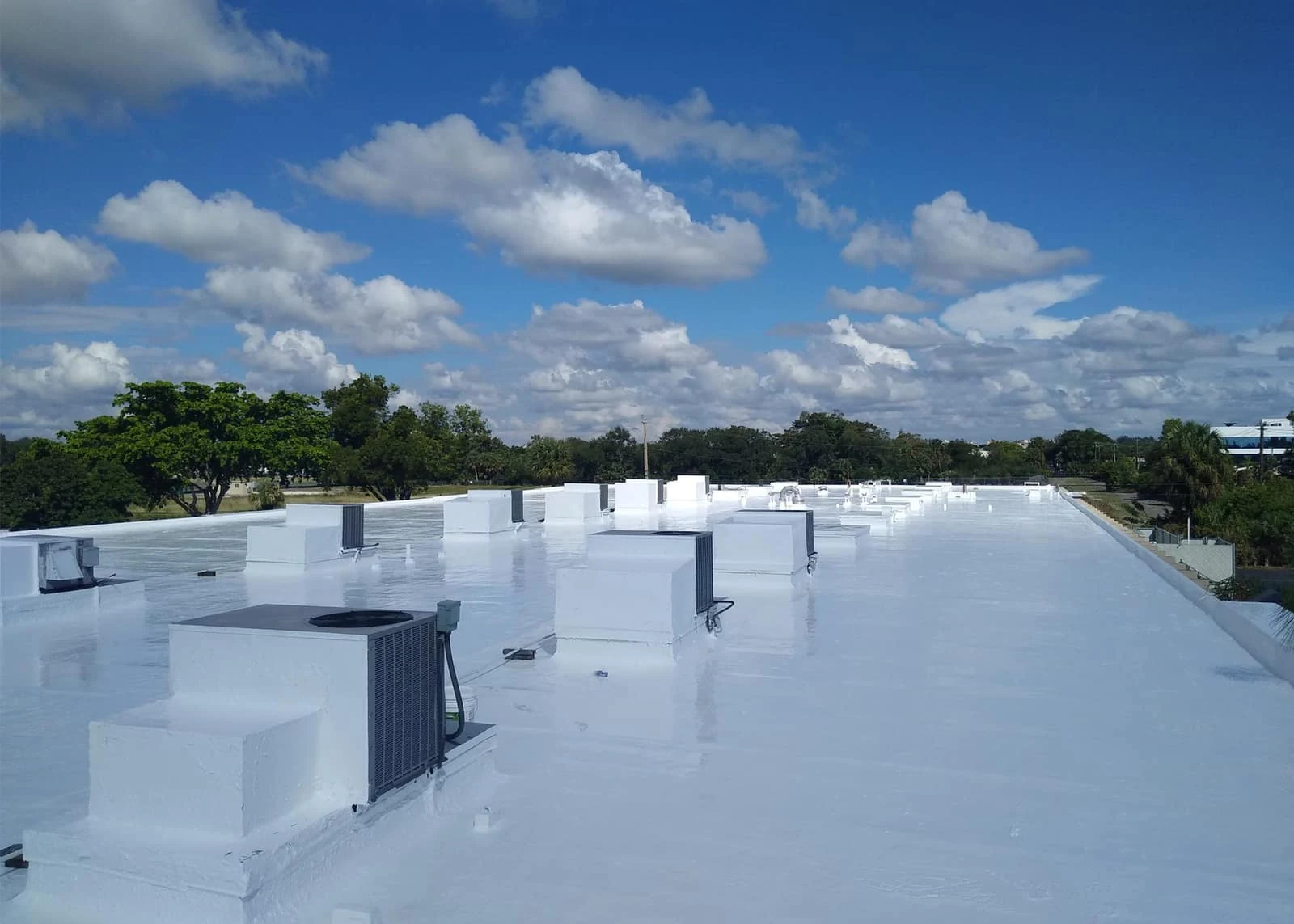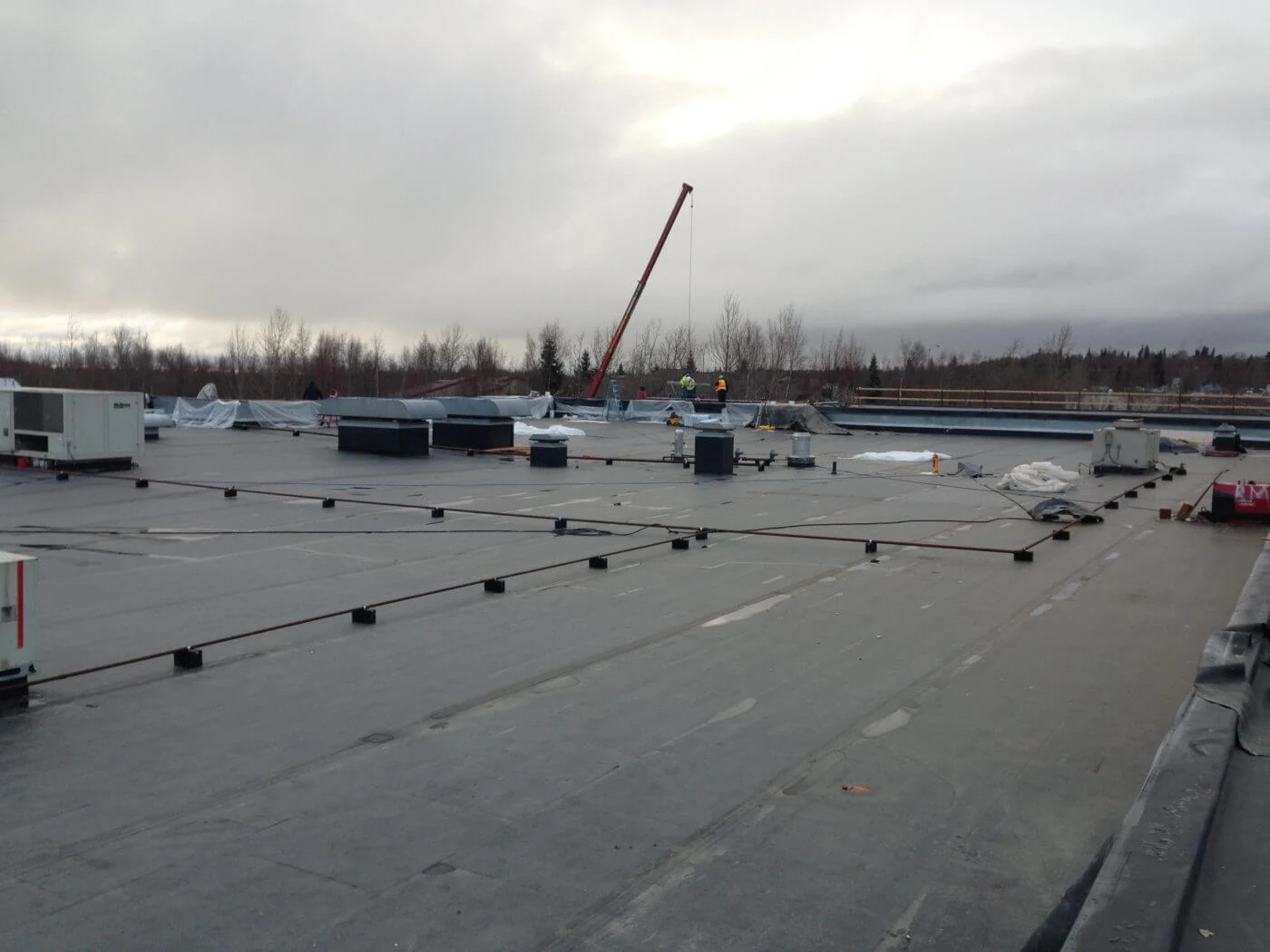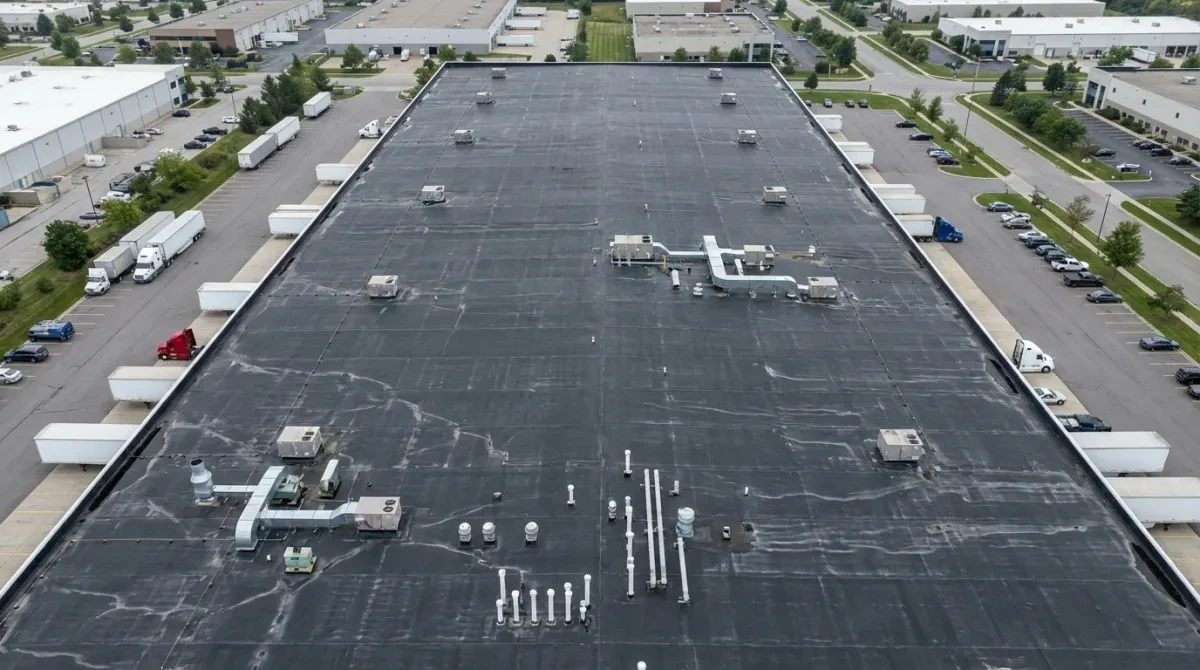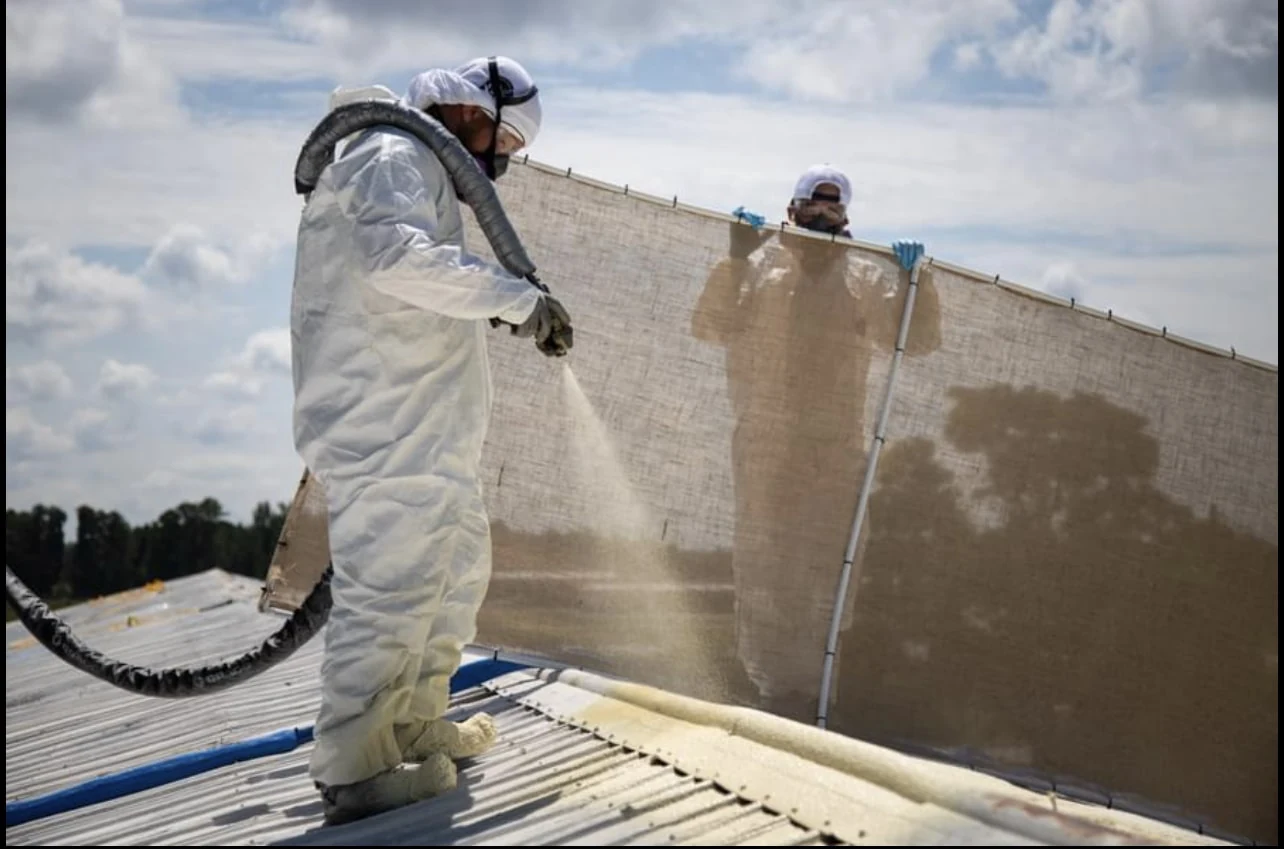
Silicone coating restoration extends the service life of an existing roof rather than replacing it, and it earns consideration on Roanoke Valley buildings with a sound but aging membrane, particularly where ponding water has been a chronic problem other coating chemistries cannot handle. We evaluate it as one option among several, not a default recommendation for every aging roof that comes across our desk.
Silicone's defining advantage over acrylic and most other coating chemistries is its tolerance for standing water. Acrylic coatings can soften, blister, or lose adhesion under roofs that hold water for extended periods, while silicone maintains its waterproofing integrity in ponded conditions, which matters on flat and low-slope roofs across the valley where tapered insulation is minimal or drainage has degraded over the building's life.
That is not a reason to leave ponding water unaddressed, standing water still accelerates dirt accumulation, biological growth, and UV degradation at the pond's edge over time, and we address drainage improvements alongside any coating project where that is practical. But on a roof where full re-sloping isn't in the budget, silicone's ponding tolerance buys real time that other coatings cannot.
Silicone resists UV degradation better than most coating alternatives over the long term, which matters through a Roanoke summer where the membrane surface takes sustained solar exposure across long, humid afternoons. A well-applied silicone coating maintains its reflectivity and elasticity through years of that UV load without the chalking and embrittlement that lower-grade coatings show earlier in their service life.
Humidity affects the application window more than the cured performance, silicone coating needs a dry substrate and a cure window free of rain or heavy dew, and Roanoke's humid stretches, along with valley fog in low-lying areas, require our crews to check moisture conditions closely before committing a coating day to the schedule.
Coating restoration is not appropriate for every aging roof. We pull moisture cores across the field before recommending it, because coating over trapped moisture seals a problem in rather than solving it, and a substrate with widespread wet insulation or membrane deterioration below the surface needs tear-off and replacement regardless of how the top surface looks.
A roof with sound, dry insulation, a membrane free of widespread splits or punctures, and seams that are still structurally intact is a legitimate coating candidate. We document the inspection findings and give owners a clear picture of remaining service life under a coating restoration path versus what a full replacement buys, so the decision is based on the roof's actual condition.
Silicone coatings cure into a continuous, monolithic waterproofing layer over the existing membrane, and that continuity matters on Roanoke Valley buildings exposed to wind-driven rain, a real factor when storm systems push moisture against a building's parapets and edge details under gusting conditions common near ridge-adjacent sites. The coating does not change the roof's underlying wind-uplift capacity, that is governed by the existing membrane's attachment, but a sound coating over a properly detailed membrane keeps wind-driven moisture from finding a path through aging seams.
We inspect edge metal, coping, and parapet flashing as part of any coating scope, since a coating applied over failing edge details only masks the actual leak path rather than fixing it.
The financial case for silicone coating is straightforward when a roof qualifies: no tear-off labor, no disposal cost, and a much shorter project window with the building's interior exposed to weather. For an owner managing a capital budget across a portfolio, that economics can make coating restoration the more sensible near-term move even when a full replacement is eventually inevitable.
We are direct about the tradeoff, coating buys years of extended service life, not a permanent solution, and we tell owners honestly how many additional years a given roof's condition supports under a coating path so the decision reflects the actual math rather than the lowest sticker price.
We pull moisture cores across the field first. Dry insulation, sound seams, and a membrane free of widespread splits make a roof a legitimate coating candidate, wet insulation or deteriorated membrane below the surface means coating would just seal in a problem rather than solve it.
Yes, silicone maintains its waterproofing performance under standing water better than acrylic and most alternative coating chemistries, which can soften or lose adhesion in ponded conditions. It is one of the main reasons we recommend silicone specifically on roofs with a chronic drainage issue.
It depends heavily on the existing membrane's condition and the coating thickness applied, which is why we base the estimate on the specific roof's inspection rather than a blanket number. We give owners a written assessment of remaining service life so the decision is grounded in that building's actual condition.
It affects the application schedule more than the cured result. The substrate needs to be dry and the cure window free of rain or heavy dew, so our crews check moisture conditions closely, particularly during humid stretches or when valley fog is common in low-lying areas.
Only if the underlying edge metal and flashing details are sound. Coating creates a continuous waterproofing layer over the membrane field, but it does not correct failing parapet or coping details, we inspect and address those separately as part of any coating scope.