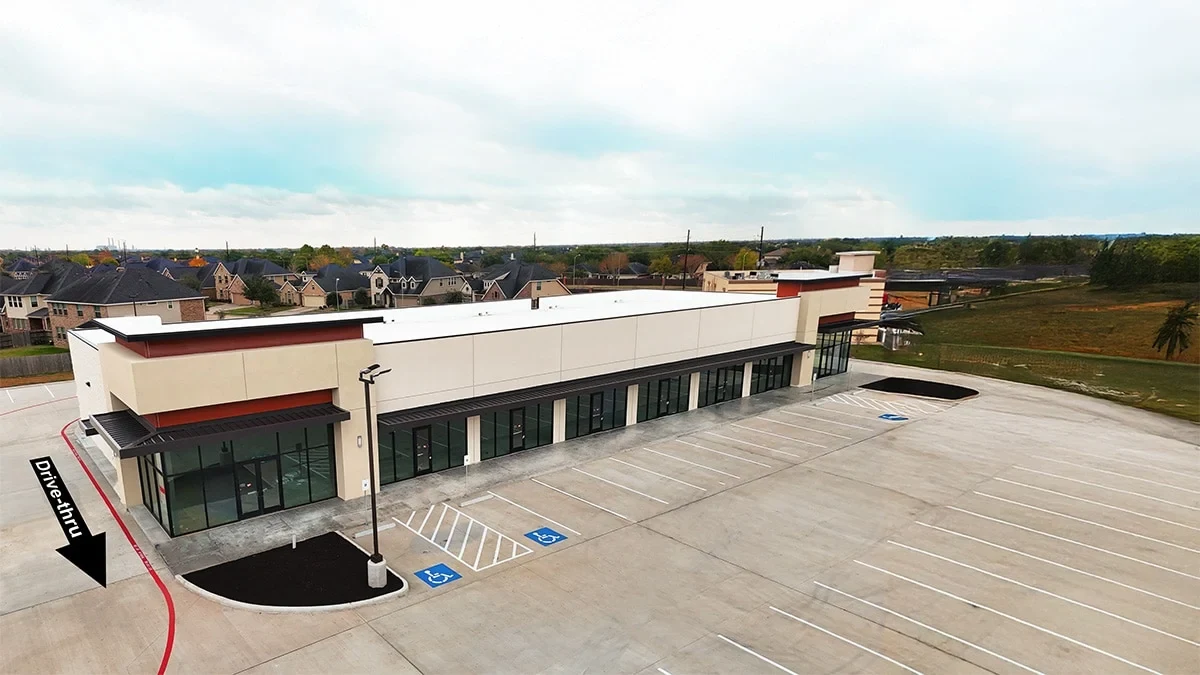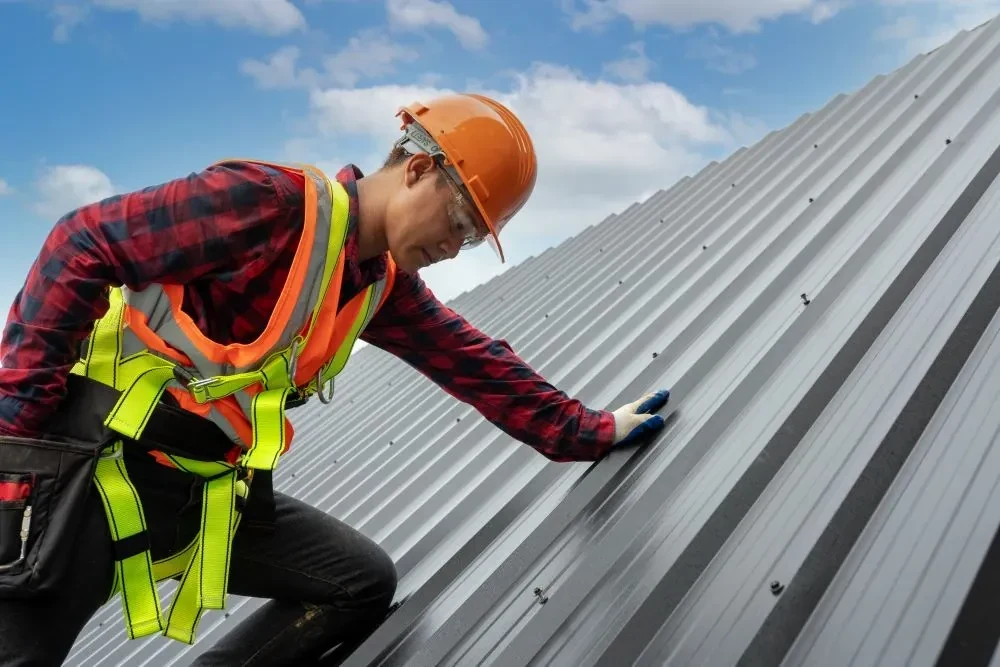
Property managers running a mix of office, retail, and light industrial buildings across the Roanoke Valley need to know which roof needs money this year and which one can wait. We build that picture from actual inspection data rather than age alone, so your capital plan reflects real condition, not guesswork.
We inspect every roof in a portfolio the same way, using the same scoring criteria, so a property manager can compare a downtown office tower against a suburban strip center and trust the numbers are apples to apples. That means documenting membrane condition, flashing detail, drainage performance, and any moisture found during the walk, going well past a visual pass with a one-line summary.
Where a roof shows moisture through infrared or capacitance scanning, we map the extent rather than reporting a single wet flag, because the difference between a small isolated area and widespread saturation changes whether the right call is a repair or a full tear-off.
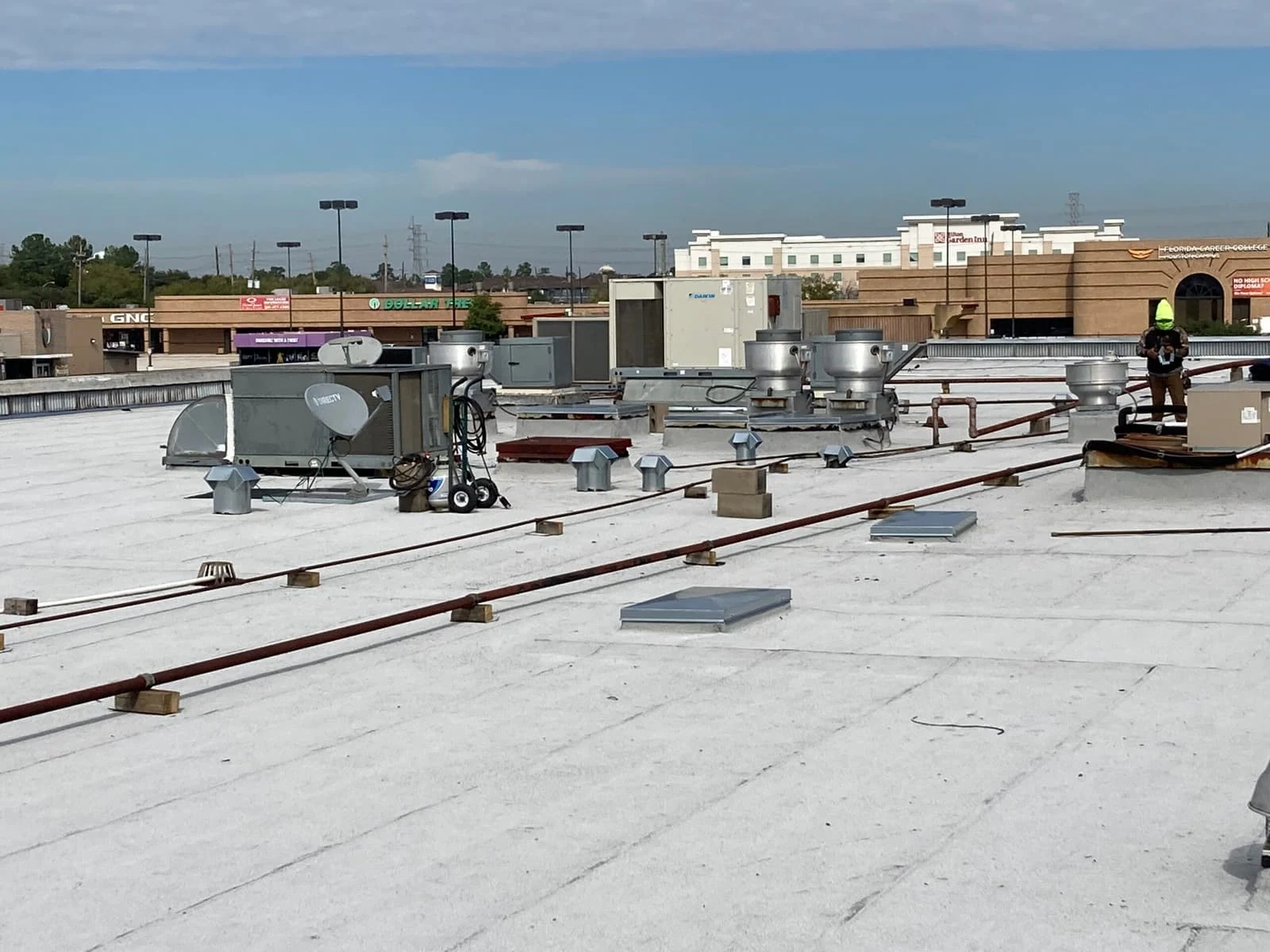
We also score drainage separately from membrane condition, since a roof with sound membrane can still fail early if scuppers or internal drains are undersized or clogged. Ponding water that sits for more than a day or two after rain accelerates membrane breakdown regardless of how new the system is, and a portfolio-wide drainage check catches that risk before it shows up as a leak.
Owners and investors want a remaining-service-life estimate they can plan capital reserves around, not a rough guess. We tie our estimates to actual membrane condition, historical repair frequency, and manufacturer warranty terms, and we flag when a roof's remaining life estimate should shift because of storm damage or accelerated wear near rooftop equipment.
We separate near-term repair costs from longer-term replacement costs in every report, so a property manager can decide between patching a roof through one more budget cycle and committing to a full system replacement now.
A leak in a downtown office tower near the City Market district affects tenants differently than a leak over a warehouse bay, and we schedule repair and replacement work around occupancy first, then around our own crew availability. That means coordinating elevator access, protecting lobby and common areas during material staging, and giving tenants enough notice to move sensitive equipment or inventory before work starts overhead.
On retail strip roofs, we sequence work storefront by storefront where possible, so a tenant loses roof access above their unit for the shortest window we can manage rather than shutting down an entire building's rooftop access for the length of the project.
For office towers with rooftop amenity space or a tenant with rooftop equipment of their own, such as a supplemental server room cooling unit, we identify those dependencies before scheduling any work above them, since interrupting tenant-owned equipment creates a different kind of disruption than a shared building system going offline briefly.
An emergency call after hours costs more than a scheduled repair caught during a routine inspection, and it usually means water has already reached the interior. We build maintenance programs around catching failure points, open seams, ponding water, deteriorated pitch pockets, before they turn into a tenant complaint or an emergency dispatch.
Mountain weather swings between hard freezes and warm afternoons through the shoulder seasons stress roof membranes more than a flatter climate would, so we schedule maintenance visits around those transition periods rather than a flat calendar interval that ignores local conditions.
We also track which roofs in a portfolio have generated repeat service calls over the past year, since a roof that keeps needing small fixes is usually signaling a bigger problem that a one-time patch won't resolve. Flagging that pattern early gives a property manager time to plan a real fix instead of authorizing another round of the same repair, and it gives ownership a clearer story to justify the capital request when the time comes.
We recommend an annual inspection cycle at minimum, with additional visits after any significant storm event, so condition data stays current heading into each budget planning cycle rather than going stale between reviews.
Yes, tied to actual inspection data rather than a flat age-based estimate, and we update those estimates when conditions change.
We coordinate access, staging, and tenant notification around the building's occupancy schedule, and we sequence work to minimize how long any one area is affected.
Yes, we keep a record of repairs and inspections per property so patterns across a portfolio, a roof type that keeps failing early, for example, show up in the data.
Current condition, projected remaining life under repair versus replacement, and a cost comparison over a defined planning horizon, so the decision weighs long-term value against the cheapest option this year.