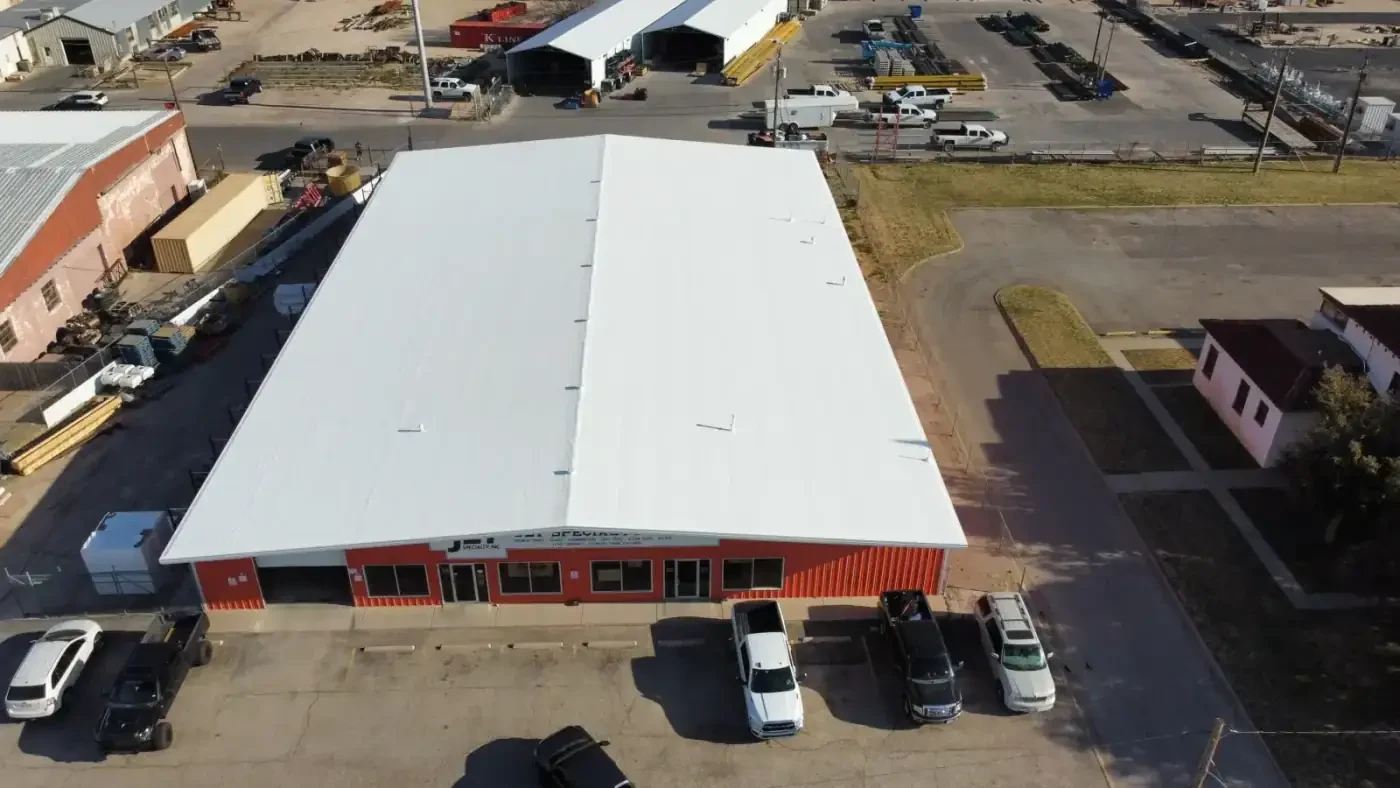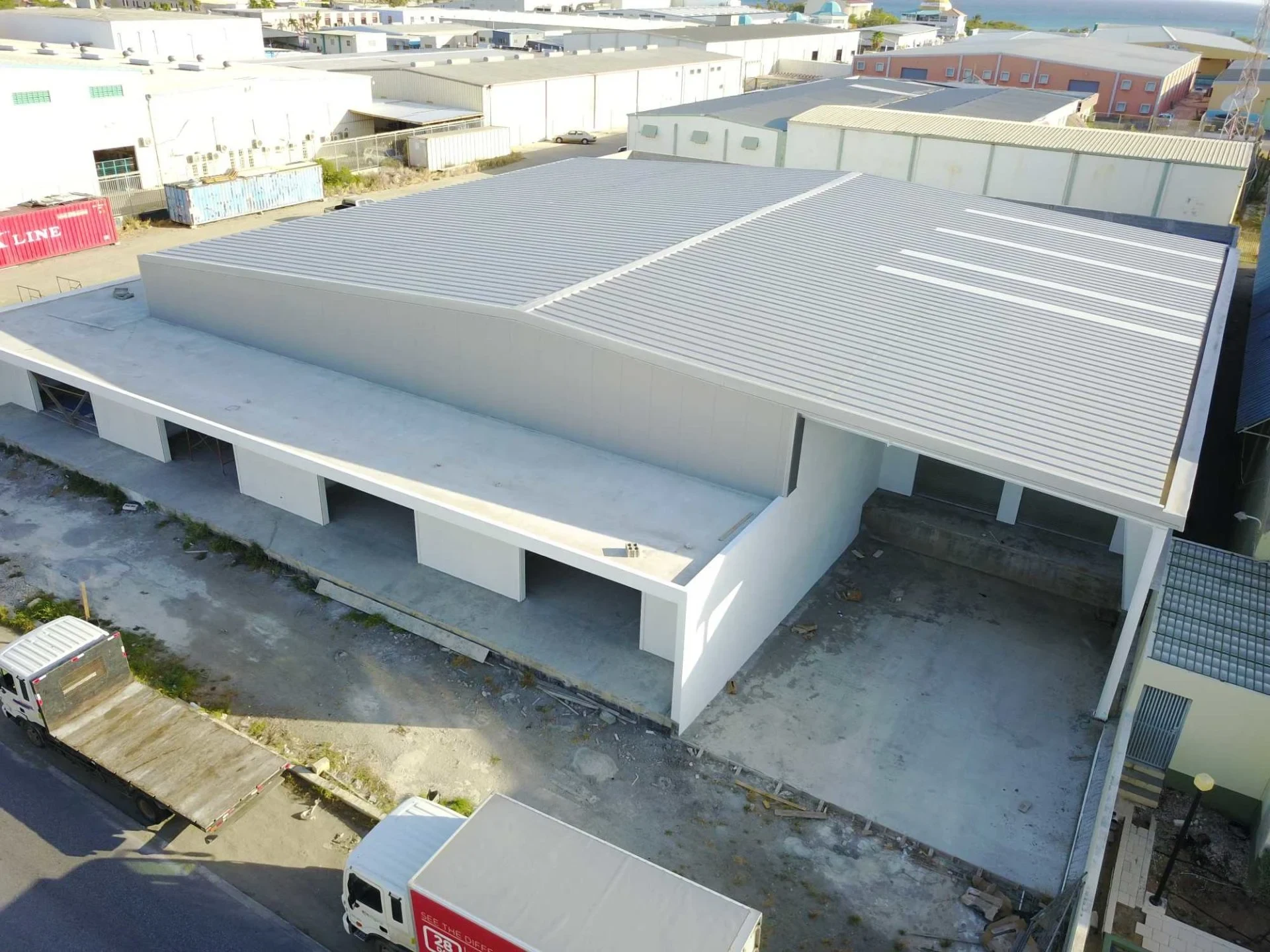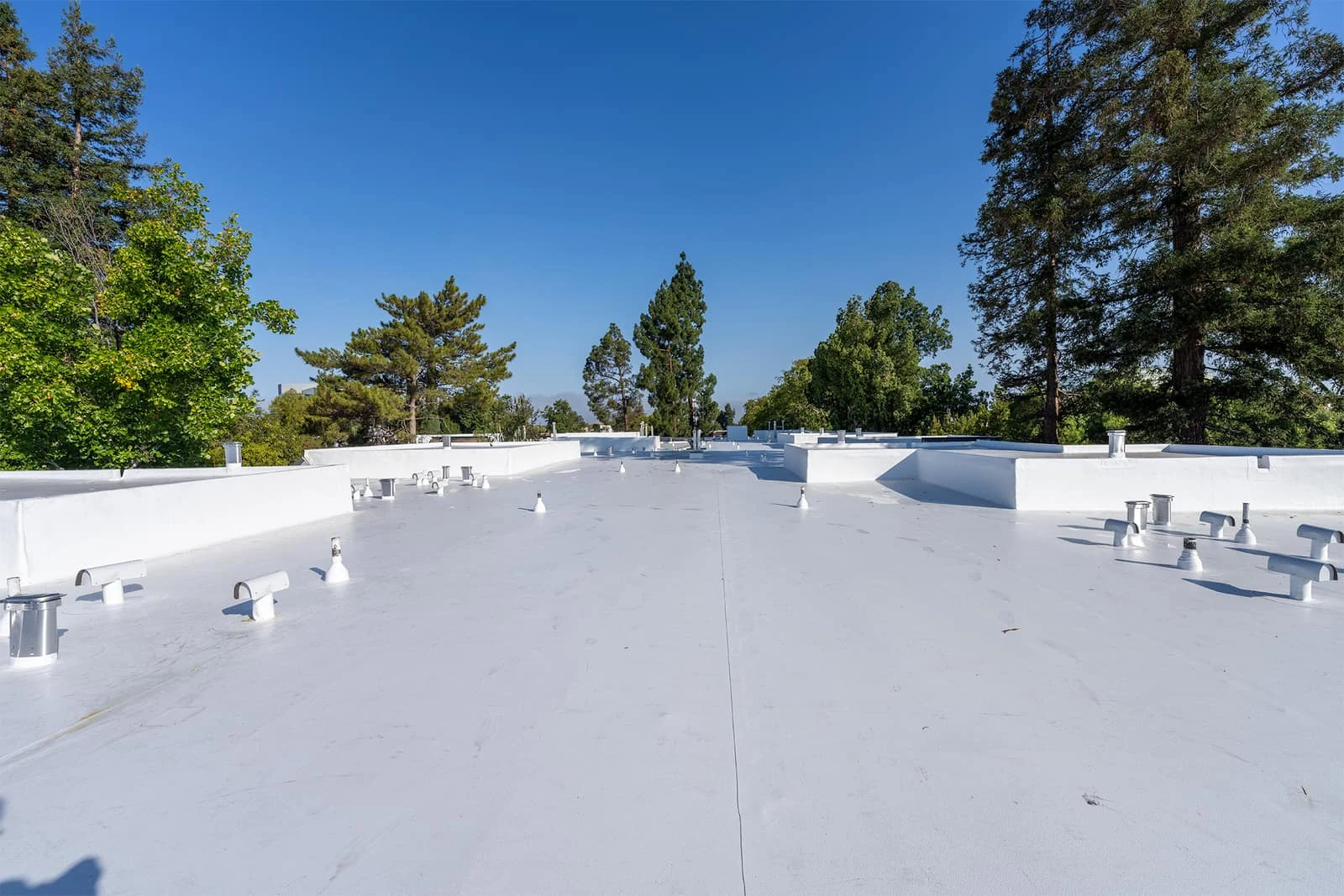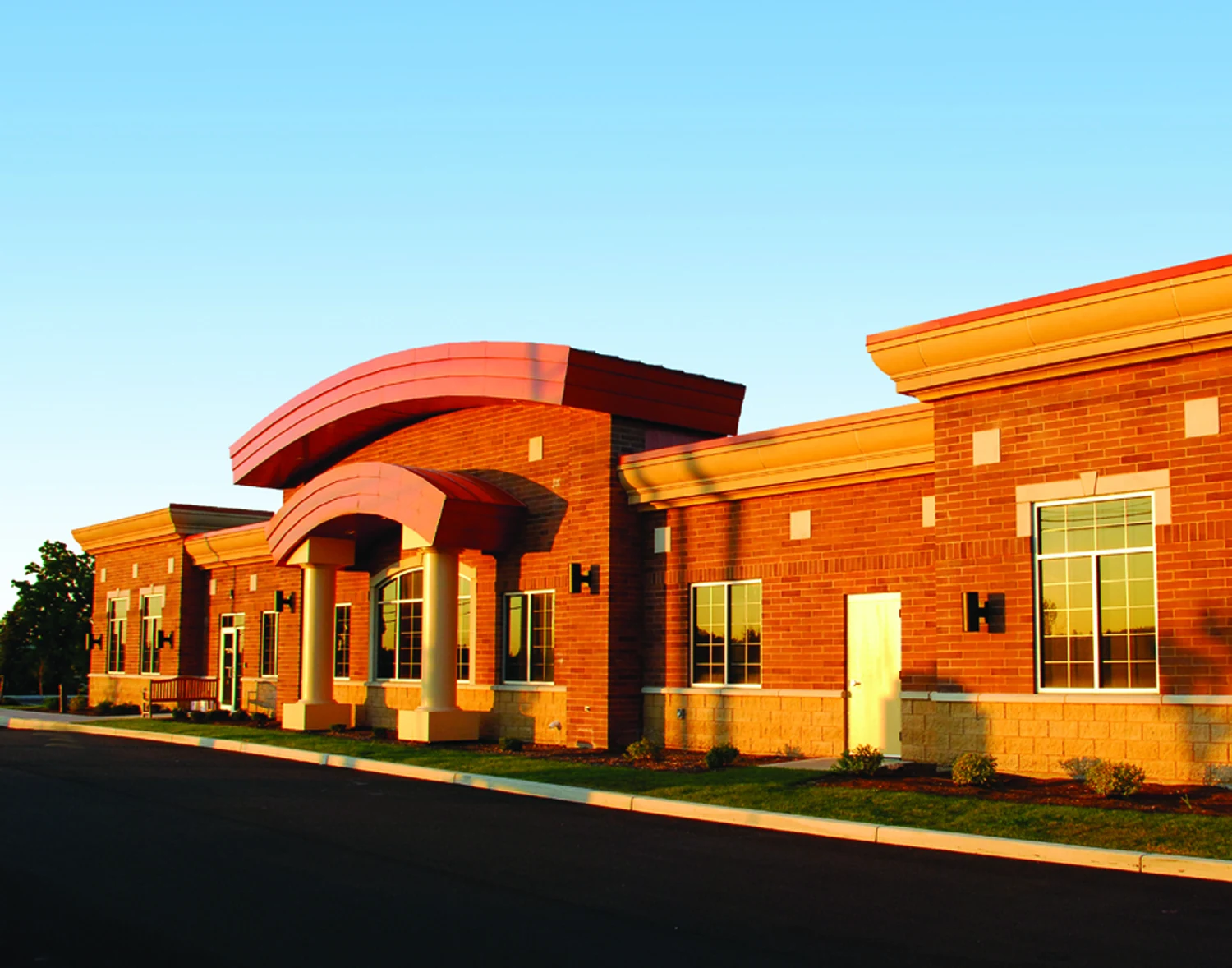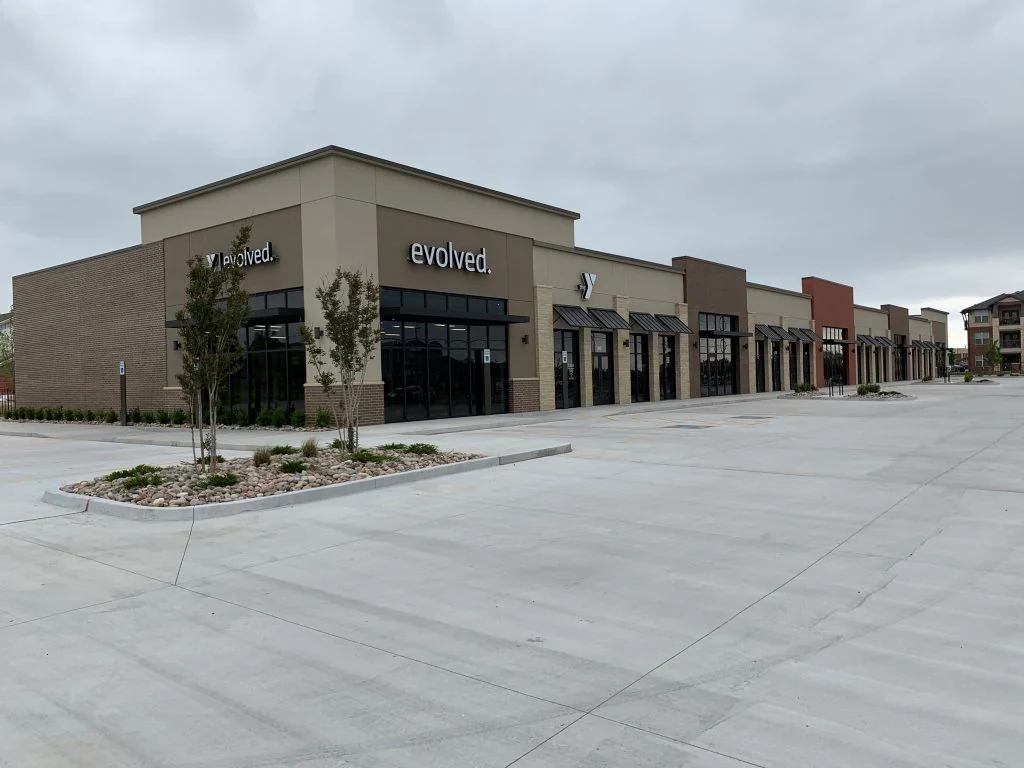
Strip retail centers along US-460, Brambleton Avenue, and the smaller commercial corridors branching off them present a roofing challenge unique to the format: one continuous membrane spanning multiple tenant spaces, each with different lease terms, different CAM cost allocations, and often different opinions about when and how roofing work should happen.
A strip center's roof doesn't recognize tenant space boundaries, but the lease agreements covering that roof absolutely do. Some tenants carry roof repair responsibility for the section directly above their space, others fall entirely under landlord responsibility, and CAM reimbursement structures vary from center to center. We work with property managers early in any strip center project to understand how the cost allocation actually works before proposing a scope, because a technically sound roofing plan that ignores lease structure creates billing disputes down the line.
Where a center's roof needs full replacement rather than sectional repair, we help the property manager document condition clearly enough to support whatever CAM pass-through or capital assessment process the leases allow, since tenants pushing back on a roofing charge usually want to see the underlying condition data.
Full strip center re-roofs happen less often than sectional repairs and phased replacement, because closing an entire center's roof access at once disrupts every tenant simultaneously. We typically phase work bay by bay, coordinating with each affected tenant on the specific days their section will see overhead work, keeping the disruption localized rather than treating the whole center as a single continuous project.
Storefront tenants care most about noise and debris during business hours, particularly restaurants and service businesses with walk-in customers. We schedule the loudest work outside each tenant's peak hours where the overall project timeline allows for that flexibility.
Strip centers typically carry a continuous parapet wall along the front elevation for signage and architectural consistency, and the coping detail along that parapet runs the full length of the center regardless of tenant boundaries. We inspect and repair coping as a continuous system rather than patching it tenant space by tenant space, since a coping failure at one end of a center often indicates a systemic issue that will surface elsewhere along the same run.
Signage attachment points along the parapet are another detail specific to strip centers, since tenant signage changes over with every new lease and each swap can leave an old anchor point improperly sealed. We check signage attachment penetrations during every coping inspection, because a poorly resealed sign anchor is a common source of water tracking behind the parapet face.
Most strip center tenants have their own rooftop HVAC unit rather than sharing central mechanical systems, which means the roof carries a curb and penetration for nearly every storefront. Condition varies significantly unit to unit depending on each tenant's maintenance history, and we assess every curb individually during a strip center evaluation rather than assuming uniform condition across a center that's had different tenants come and go over the years.
Vacant or recently vacated spaces sometimes have HVAC units removed without the curb properly capped, and we flag these during inspection as an immediate priority, since an uncapped curb is one of the fastest routes water has into a building.
Restaurant tenants add their own wrinkle, since kitchen exhaust penetrations need the same grease-resistant flashing treatment we use on standalone restaurant and food-service buildings, and that detail has to hold up regardless of how the rest of the center's roof is specified. We flag restaurant bays for that upgraded flashing detail even when the surrounding retail bays don't need it.
Strip center property management companies typically oversee multiple properties across the region, and we coordinate directly with whoever holds that role to sequence work around tenant lease renewals, upcoming build-outs, and any planned facade or signage work happening at the same time, so roofing doesn't conflict with other capital projects at the center.
We work with you upfront to understand the lease structure before scoping, so the proposal and any CAM documentation lines up with what tenants are actually contractually responsible for.
Yes, in most cases. We phase sectional work bay by bay and coordinate specific work days with each affected tenant to keep disruption localized.
We flag uncapped curbs immediately during inspection, since an open curb is one of the fastest ways water gets into the building, regardless of whether that space is currently leased.
A coping failure at one point along the parapet often signals a systemic issue in that run, so patching only the visible failure point without inspecting the full length tends to miss the underlying problem.
Yes, directly. We sequence roofing around lease renewals, tenant build-outs, and any other capital work happening at the center to avoid schedule conflicts.