Built-up roofing, the layered gravel-and-tar system that dominated commercial construction for most of the twentieth century, is still on plenty of Roanoke rooftops, particularly on manufacturing buildings tied to the area's rail and industrial history. We repair, recover, and replace these systems, starting with an honest read on how much service life the existing roof actually has left.
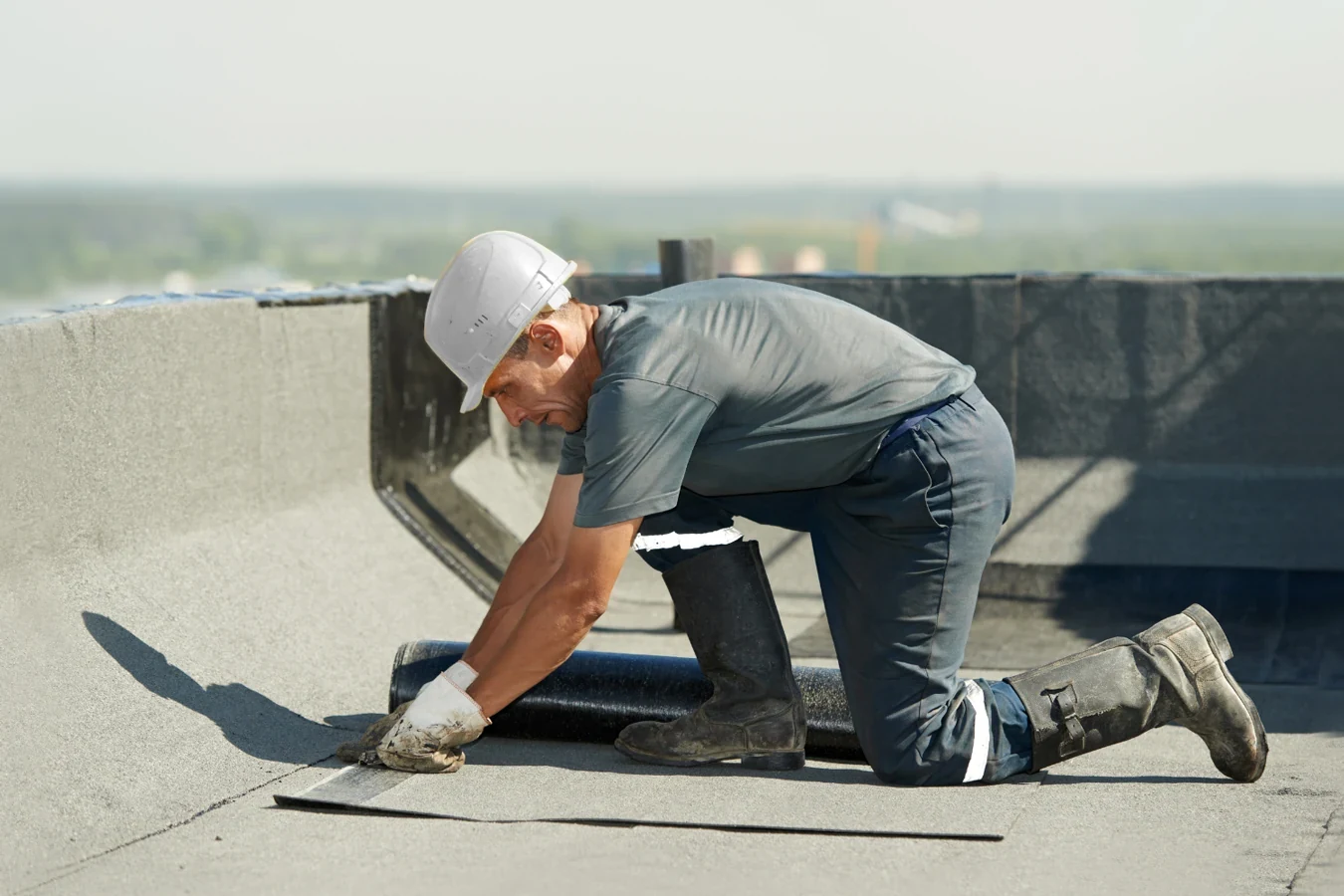
Multiple layers of asphalt-saturated felt, mopped together with hot asphalt and finished with a gravel or mineral surface, built-up roofs from Roanoke's manufacturing era were built heavy and built to last, and a surprising number of them are still functioning decades after installation, patched and maintained along the way. The gravel surface protects the felt plies from UV exposure, which is part of why these roofs age slower than people expect, provided the surfacing has been kept in place.
The buildings that carry this system most often sit in the older industrial corridors near the historic rail shop complex and in manufacturing parks that predate the newer TPO-and-metal construction common along I-81 today.
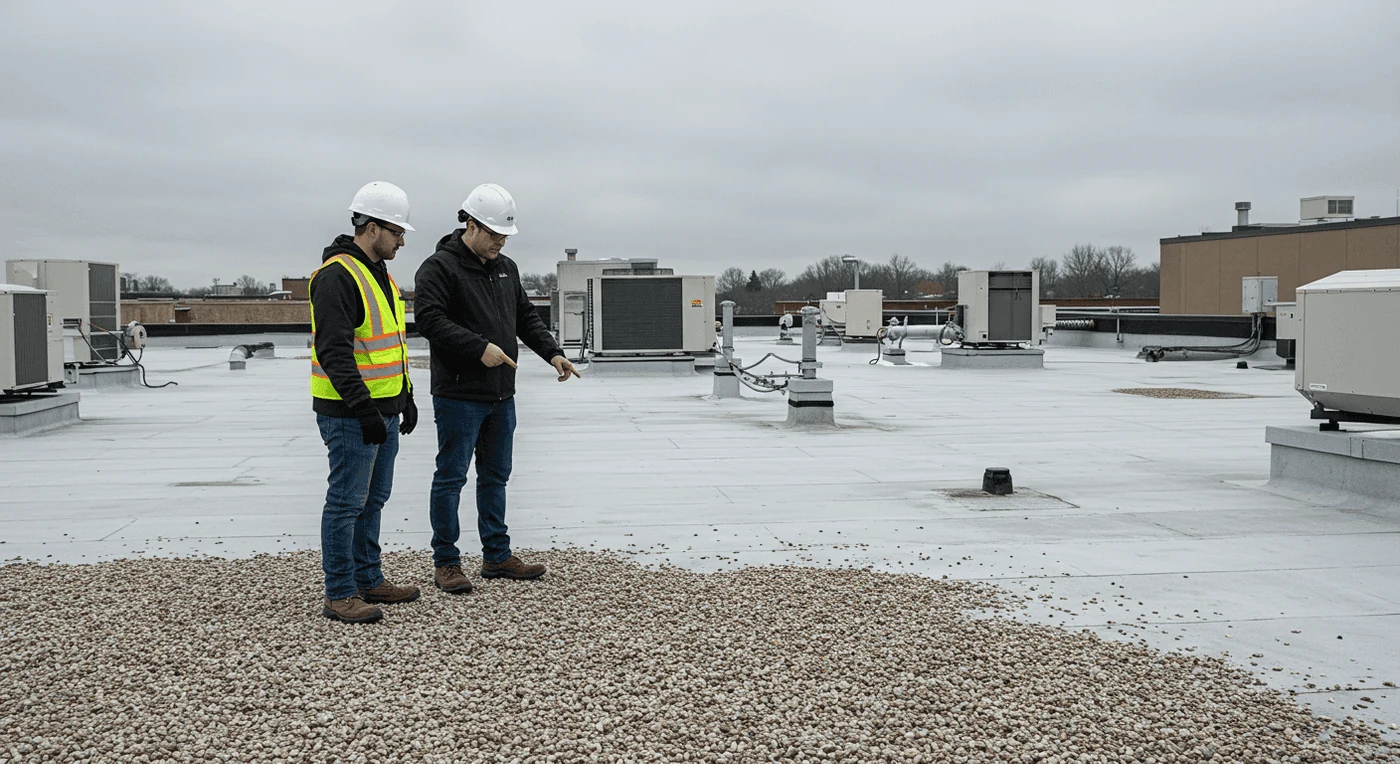
Wind and foot traffic gradually displace surfacing gravel, and once bare patches of felt are exposed to direct sun, degradation accelerates fast compared to the rest of the roof. We check surfacing coverage as part of every BUR inspection and recommend re-graveling or a protective coating on roofs where bare felt is starting to show, since that's a maintenance step that buys years of additional service at low relative cost.
Ponding water compounds the problem on roofs with marginal drainage, which is common on older BUR systems designed to tighter slope tolerances than current code requires. Standing water strips gravel over time and accelerates felt breakdown at the ponding area specifically, so drainage correction is often part of a BUR maintenance plan rather than a separate project.
The single biggest factor in whether an older built-up roof gets repaired, recovered, or torn off is what's happening inside the insulation layer, not what the surface looks like. Felt plies can look intact on top while trapped moisture is degrading the insulation and deck below, invisible from a standard visual inspection.
We run infrared or capacitance moisture scans on any BUR roof being considered for recover work, since installing a new system over wet insulation guarantees early failure regardless of what goes on top. Where scans show isolated wet areas, we can often cut out and replace just those sections rather than tearing off the whole roof. Where moisture is widespread, we say so and recommend a full tear-off, even when that is not the answer an owner was hoping for.
A dry, structurally sound built-up roof is often a good candidate for a recover, either a new modified bitumen cap sheet over the existing system or a fluid-applied coating, both of which extend service life without the cost and disruption of a full tear-off. We check code-mandated layer limits before recommending either option, since a roof already carrying two or more layers may be required to come off entirely before anything new goes on.
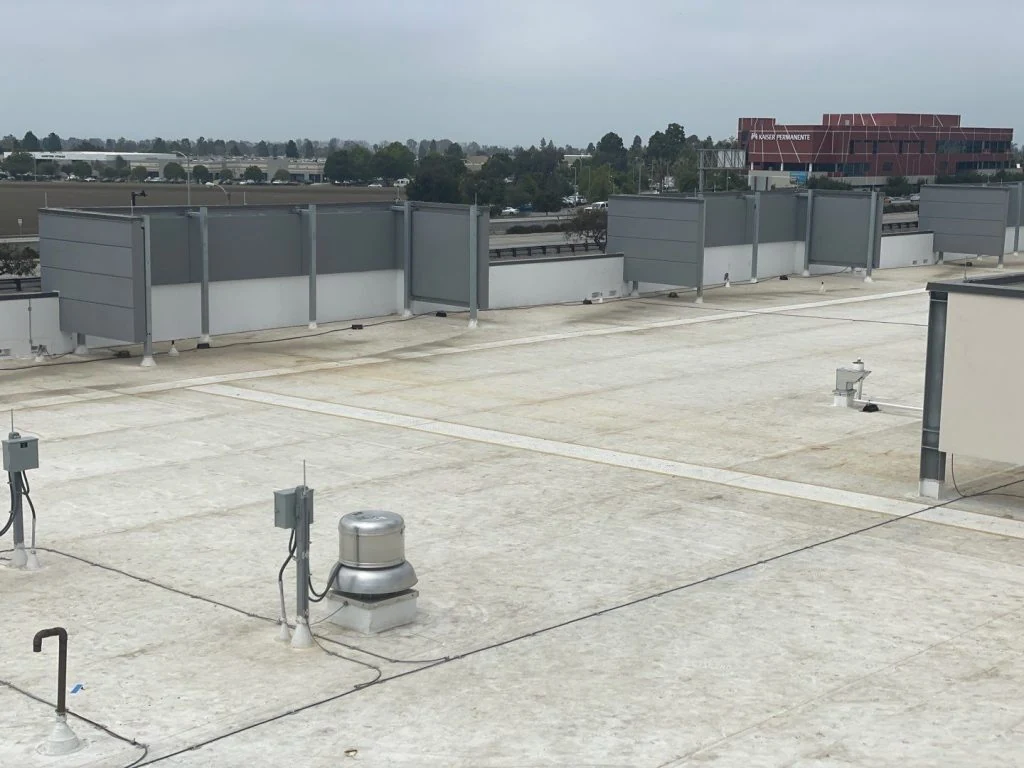
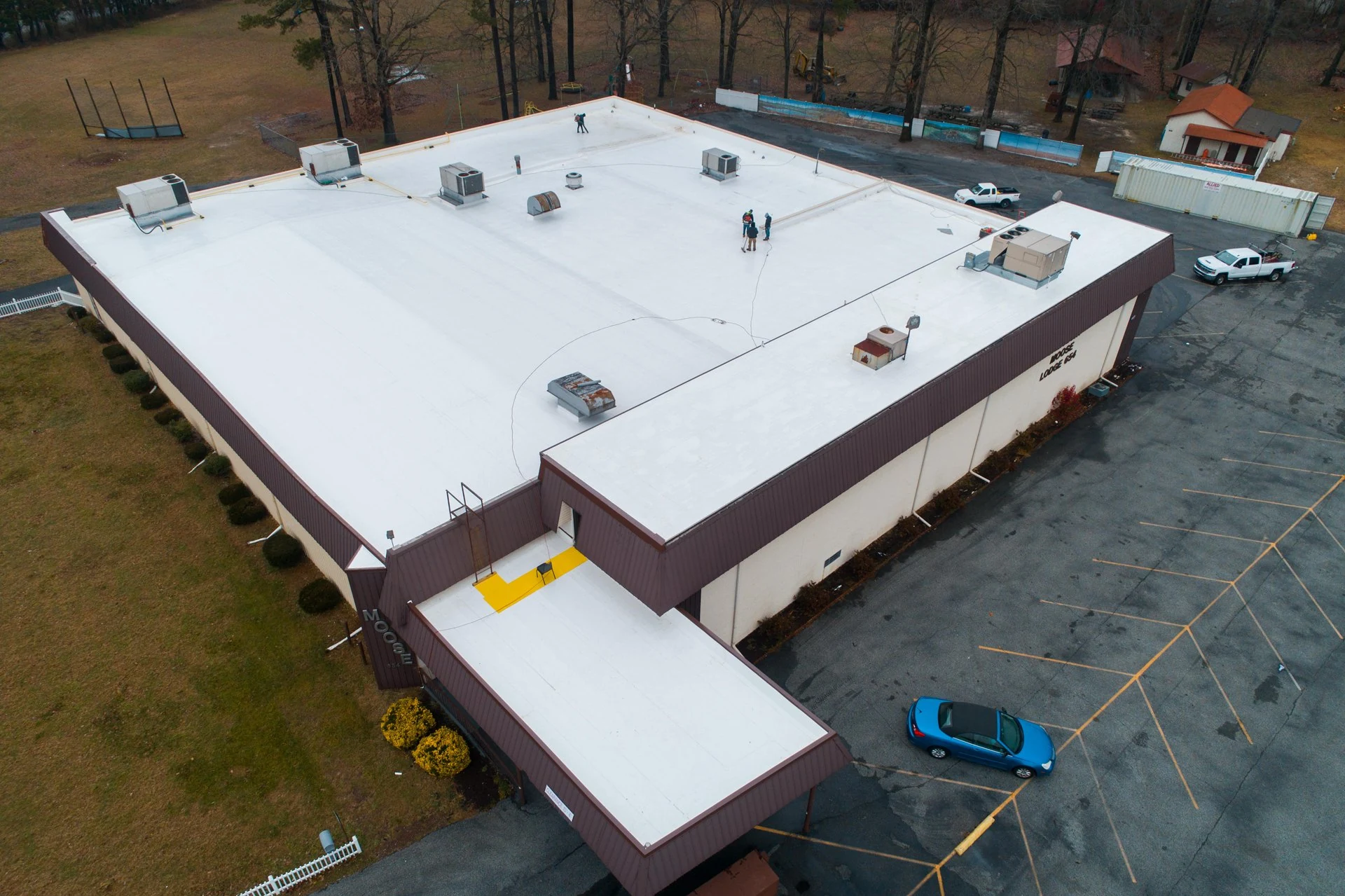
Manufacturing buildings with older BUR roofs also tend to carry rooftop equipment that has been added and modified over the years without matching flashing updates. Before any recover work begins, we assess every penetration and curb on the roof and rebuild flashing detail where it has fallen behind the equipment it's supposed to be sealing.
Manufacturing and rail-adjacent buildings that still use built-up roofing are often operational buildings, not vacant ones, which means roof work has to happen around production schedules, dust-sensitive processes, and equipment that cannot be shut down casually. We plan hot-work procedures, staging, and material staging with facility operations in mind, and we coordinate fire-watch requirements for any torch or kettle work near active production areas.
Any roof over ten years old that has had leaks, ponding, or visible ceiling staining below is a candidate. We also recommend a scan before any recover project regardless of visible condition, since surface appearance does not reliably indicate what's happening in the insulation.
If the felt underneath is still intact and there's no trapped moisture, resurfacing or a protective coating can restore UV protection at low cost. If the bare felt has already started to degrade, that section may need cut-and-patch repair first.
If the roof is dry, structurally sound, and under the code-allowed layer limit, yes. We confirm all three before recommending recover over tear-off.
Chronic ponding usually points to a low spot in the deck or insufficient slope in the original design. Correcting drainage, sometimes with tapered insulation, addresses the cause rather than repeatedly patching the same wear point.
Yes, with planning. We coordinate staging, hot-work timing, and access around production schedules and dust-sensitive processes so the roof project does not interrupt operations.