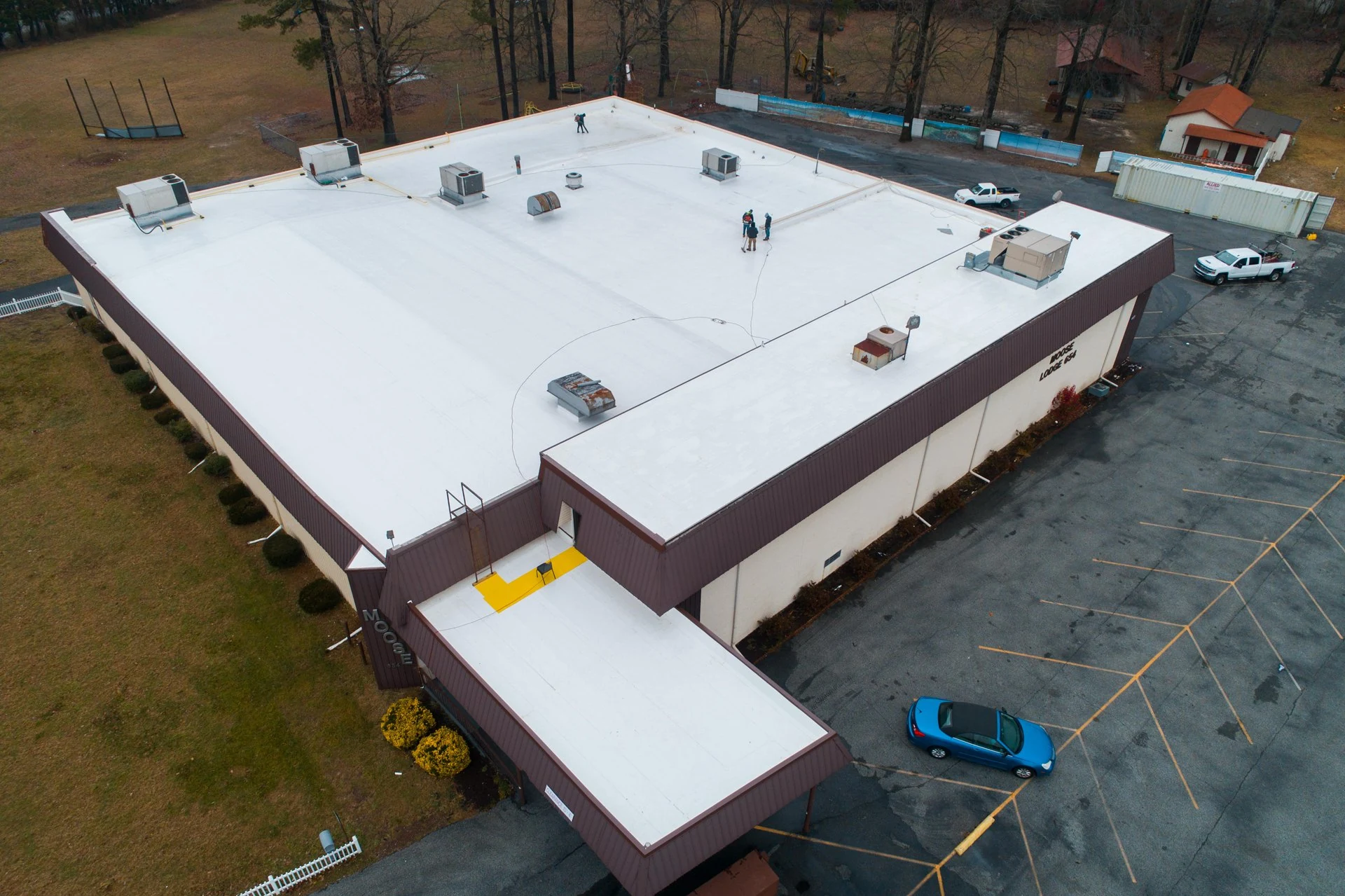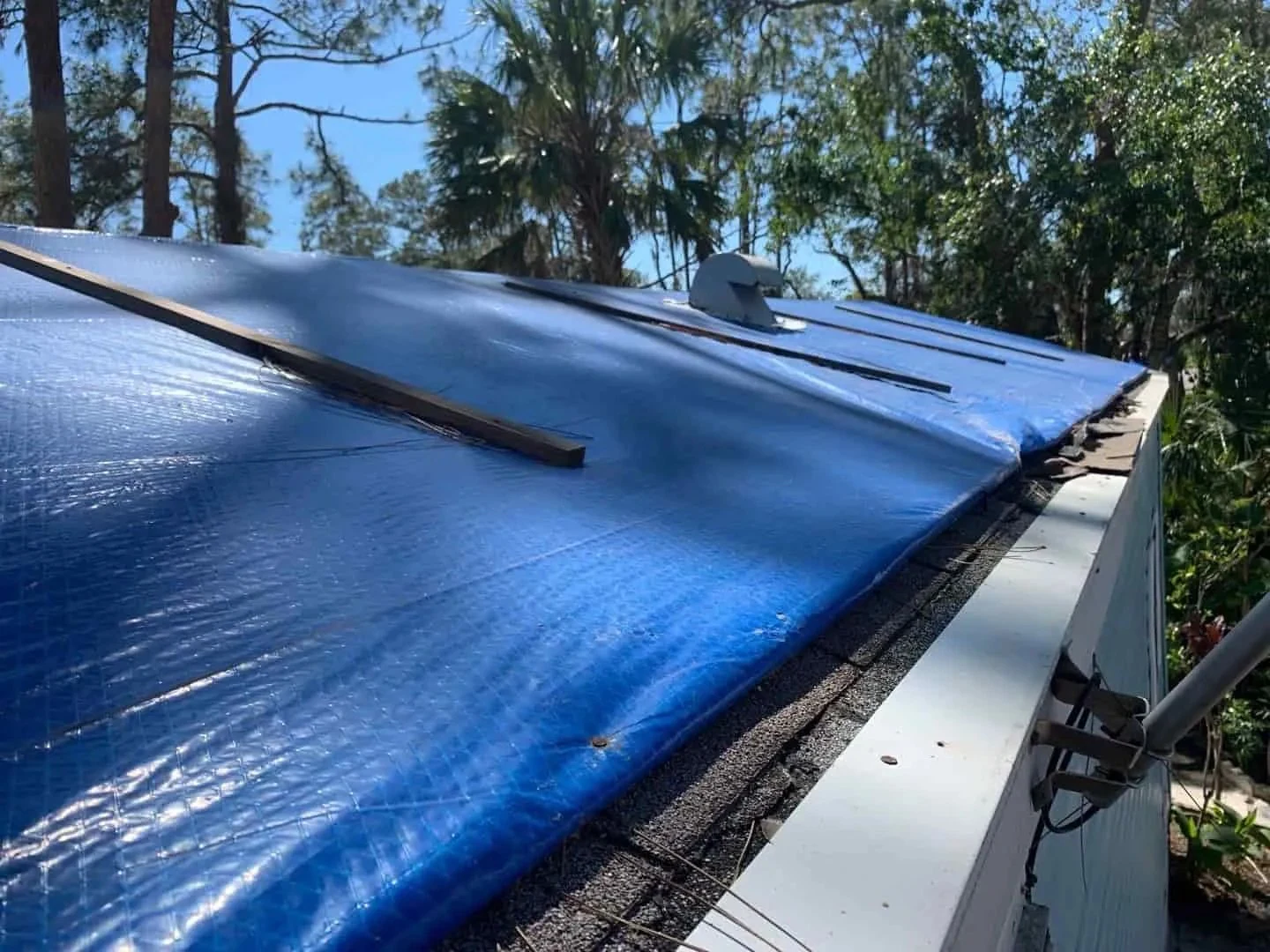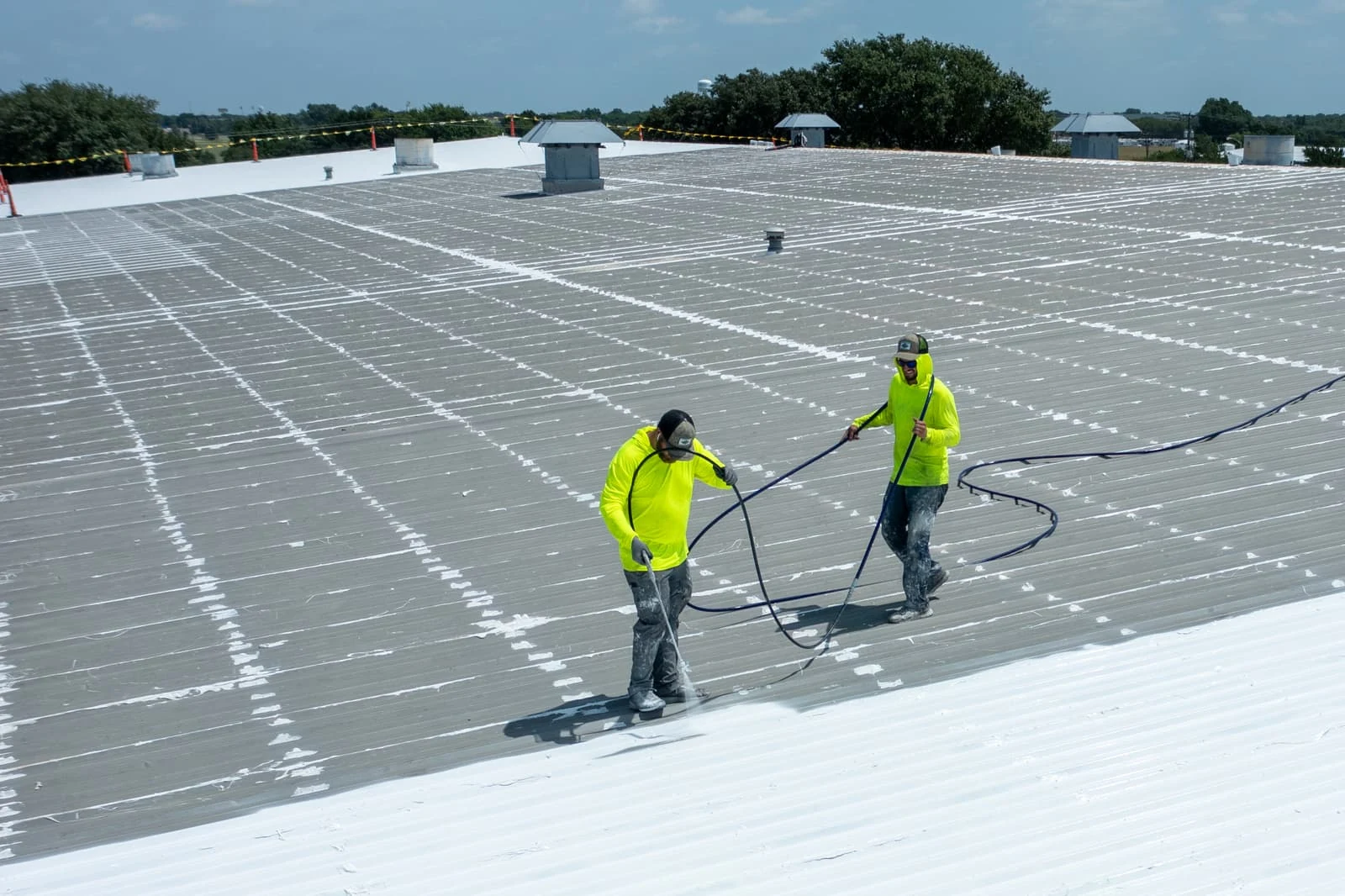
Roanoke's commercial building stock covers more ground than most metros its size. Brick warehouses from the Norfolk & Western railroad era sit downtown, many converted into offices and loft space with flat roofs added or altered decades after the original construction. Out along I-81, newer single-story distribution buildings carry roof membranes measured in acres rather than square feet. Carilion's medical campuses add another layer entirely, with roofs that can't simply go offline while a claim works through. Each of these building types raises different questions once a storm damages the roof and an insurance claim enters the picture.
An insurance claim for roof damage runs on the strength of what gets documented at the roof. That means photographs tied to specific locations, moisture readings where water intrusion is suspected, and a written condition assessment that separates what the storm caused from what was already wearing on the roof before the event. We put that record together as your roofing contractor, working from what we find on the deck and membrane rather than from assumptions about what a storm of a given size should have done.
We're your roofing contractor, not a public adjuster - we document and substantiate the roof damage so you and your adjuster work from an accurate scope. We don't file the claim or negotiate with the carrier on your behalf; that stays between you and your insurance company.
We're available to walk the roof directly with your insurance adjuster and point out what we found, section by section. Having someone who inspected the roof present for that walkthrough tends to move things along faster than a written report reviewed on its own, since questions about a specific membrane condition or flashing detail can get answered on the spot instead of through a round of follow-up correspondence.
A repair scope that only addresses the visibly damaged section often misses what a full inspection would catch - a corner of uplifted membrane a few feet past the obvious tear, a coping joint that's been letting water in gradually, or a code requirement that applies once a section of roof gets opened up for repair. We itemize the complete scope, including any code or ordinance upgrades and material matching the repair requires, so the documentation reflects the true extent of the work rather than a narrowed version of it.
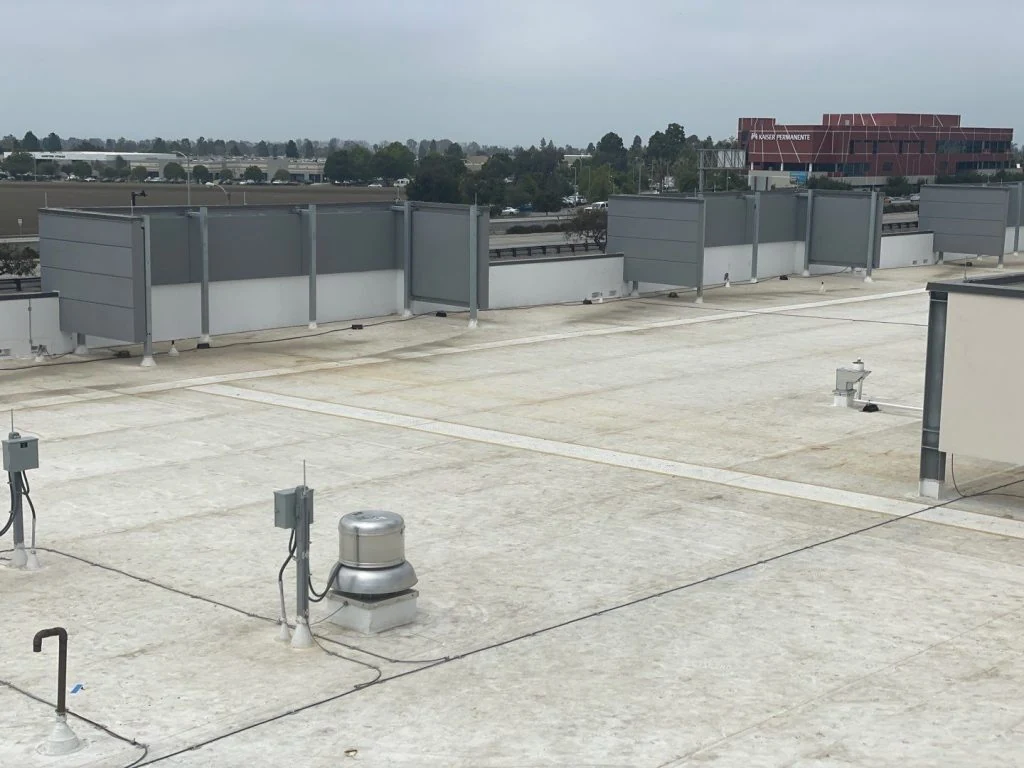
A rail-era brick building downtown with a roof added well after the original construction often has drainage and parapet details that don't match current code, which matters when storm damage forces a section to be opened up. A distribution building along I-81 has such a large membrane field that a full-roof inspection after a wind event takes real time to do properly, since damage can be scattered across a wide area rather than concentrated in one visible spot. A medical facility roof carries scheduling constraints most buildings don't, since sections above active patient areas can't sit open during repair the way a warehouse roof can. We document each of these differently because the claim reviewer needs to understand both the building and the damage together.
Sometimes an initial claim review comes back lower than the actual repair scope, or a portion of the damage gets excluded. When that happens, we can go back to the roof, document what may have been missed or undervalued, and provide additional written detail to support a supplemental review. We can't guarantee how a carrier will respond to that additional documentation, but a clearer, more complete record gives the claim a stronger basis than the original submission had.
It depends on your policy and the cause of damage. Storm-caused damage is commonly covered where age-related wear alone usually isn't. We document the damage mechanism clearly so your carrier can evaluate the claim against your specific policy terms.
We inspect and document the damage, provide a written report and repair estimate, and make ourselves available to walk the roof with your adjuster. From there, the claim itself moves through you and your carrier.
We can return to the roof, document any damage or scope that may have been missed, and provide additional detail to support a second review. The final coverage decision still rests with your carrier.
That comes down to the extent and age of the damage relative to the rest of the roof. If damage is isolated and surrounding membrane is sound, a targeted repair usually makes sense. If the storm exposed a membrane that was already near the end of its service life across a wider area, we'll say so and lay out the tradeoff honestly.
No. The property owner or manager files the claim with their carrier. We provide the documentation, damage assessment, and repair estimate that supports it.