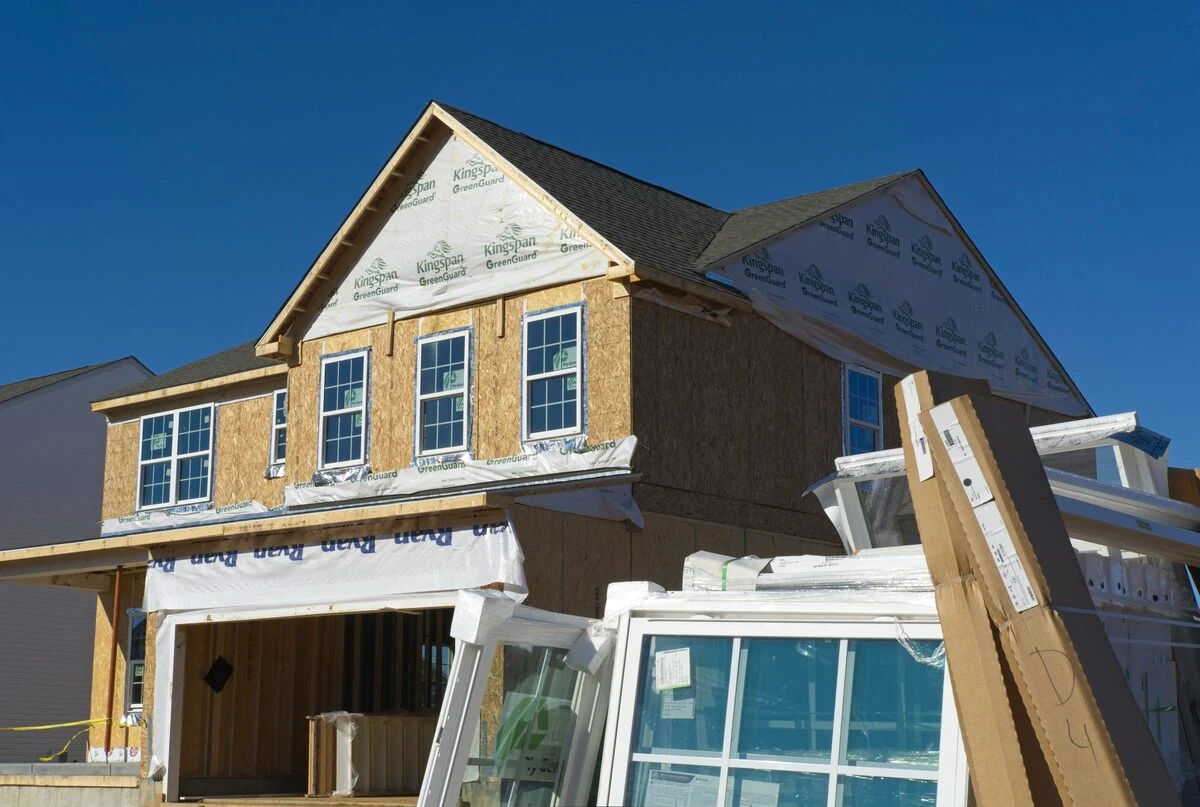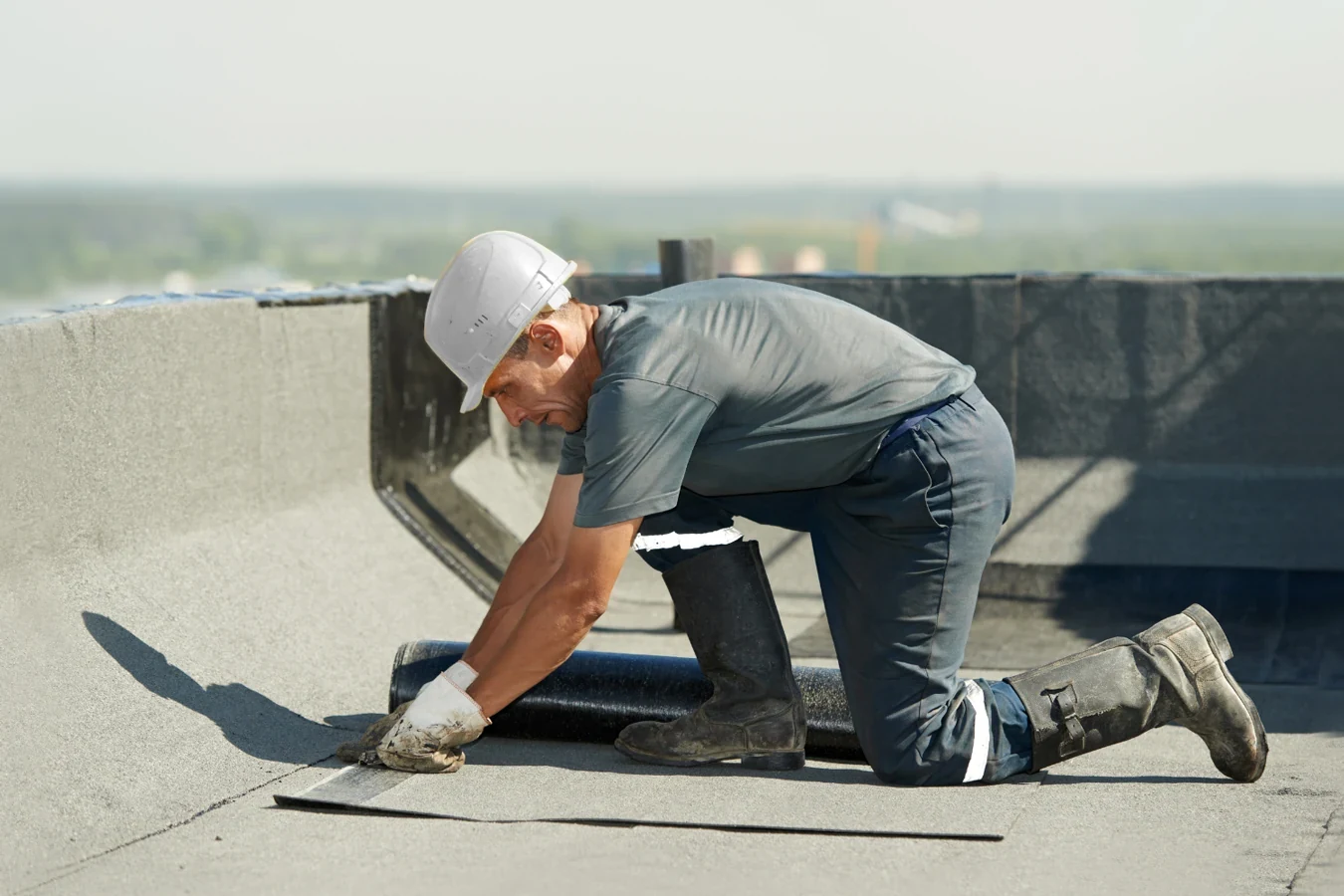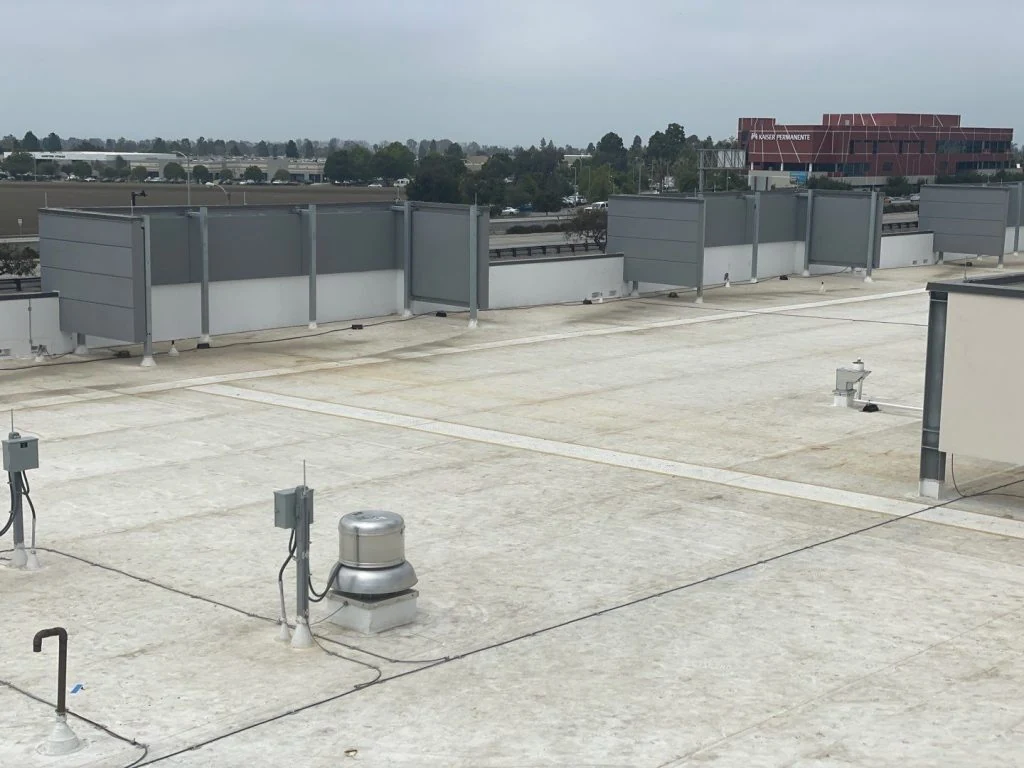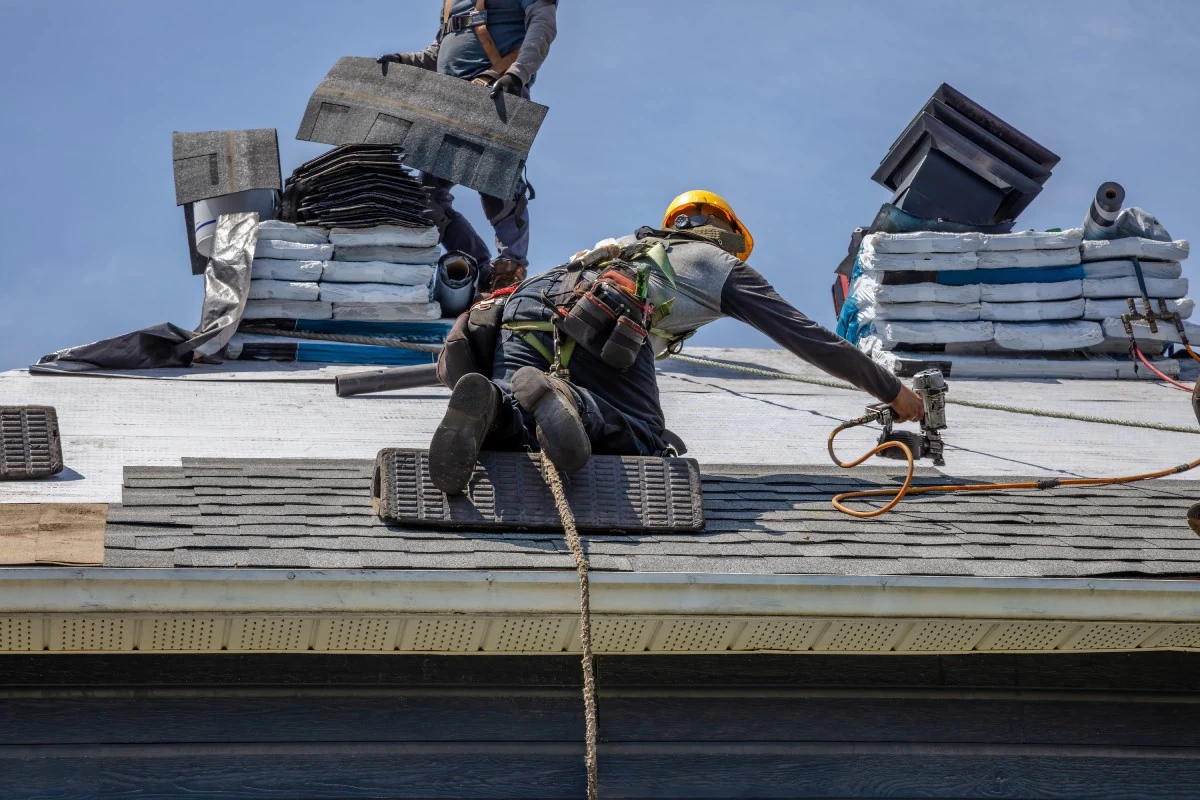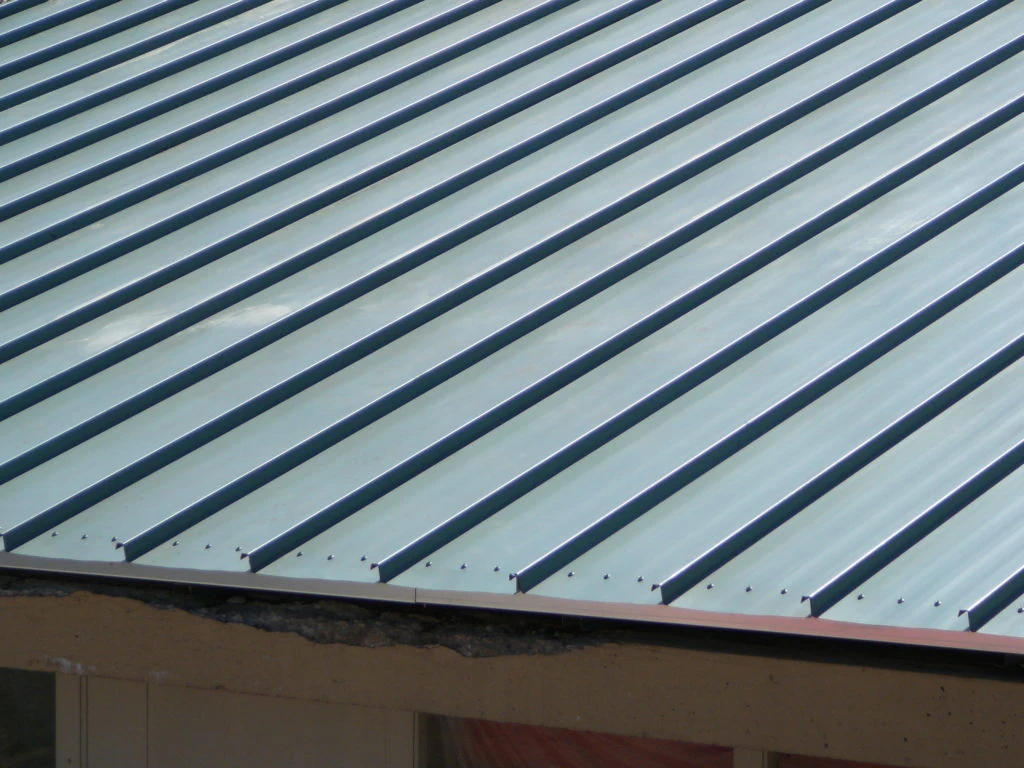
Exposed-fastener R-panel is the workhorse metal roof system across Roanoke's warehouse, agricultural, and light-industrial buildings, valued for its lower installed cost compared to standing seam and its straightforward installation on simple roof geometries. We install new R-panel systems and run the fastener maintenance programs that keep existing panel roofs performing past the point most owners expect trouble to start.
R-panel roofing costs less to install than standing seam largely because it uses exposed screws with rubber washers to fasten directly through the panel face, skipping the concealed clip system that drives standing seam's higher price. That trade-off works fine for a lot of building types, particularly warehouses, storage buildings, and agricultural-adjacent structures out toward the edges of the valley where budget matters more than a fifty-year service life.
The trade-off shows up over time in maintenance requirements. Every exposed fastener is a potential leak point once its rubber washer hardens and cracks, which happens gradually under UV exposure and temperature cycling. A roof with several hundred fasteners across its field has several hundred individual points that eventually need attention, and that's the core maintenance reality of owning an R-panel roof.
We run scheduled fastener inspection and replacement programs on R-panel roofs, checking washer condition and torque across representative sections of the field and replacing fasteners before they fail rather than waiting for a leak to identify the problem area. Catching washer degradation early, before it lets water in, is dramatically cheaper than chasing leaks after interior damage has already occurred.
On older R-panel roofs where fastener condition is widespread rather than isolated, a full re-fastening pass, replacing every screw across the field with new fasteners and washers, often extends the roof's useful life by a decade or more at a fraction of full replacement cost.
Roanoke isn't dealing with salt air corrosion, but manufacturing and agricultural buildings around the valley do see localized corrosion drivers of their own: process exhaust from manufacturing operations, fertilizer and feed storage in ag-adjacent structures, and general industrial airborne particulate. We match panel coating and gauge to the specific exposure at each site, since a standard galvanized coating that's fine on a general warehouse may not hold up as well near an exhaust discharge point.
R-panel's exposed-fastener attachment gives it a different wind uplift profile than standing seam's clip system, generally requiring closer fastener spacing to hit the same uplift resistance. On buildings sited in higher-exposure locations around the valley, closer to ridgelines or wind-funneling terrain, we tighten fastener spacing at the field and especially at eave and rake edges accordingly, rather than defaulting to a standard pattern regardless of site.
Buildings at higher elevation, near Bent Mountain or the Poor Mountain area, also see heavier and earlier snow accumulation than valley-floor buildings, which factors into panel gauge and purlin spacing recommendations on new construction.
We're straightforward with owners when a building's use profile argues for standing seam instead, particularly on buildings with a longer ownership horizon, architectural visibility, or a maintenance budget that can't support ongoing fastener attention. R-panel is a good, economical system for the right building, not a universal default, and we'd rather steer an owner to the right system upfront than sell the cheaper option and revisit the conversation in ten years.
We also weigh the building's location in that decision. A pole barn or storage building set well back from the road with light foot traffic and low visibility rarely justifies the added cost of concealed fasteners, while a warehouse fronting a busy commercial corridor might be worth the upgrade for appearance alone, independent of any performance argument.
Rubber washers typically start degrading in the 10 to 15 year range depending on UV exposure and roof slope, though individual fasteners can fail earlier if installation torque was inconsistent. We recommend an inspection at year 10 to establish a baseline.
Not at all, for the right building. It costs less to install and performs well on warehouses and simple structures with a shorter ownership horizon or tighter budget. Standing seam makes more sense for long-term ownership or architectural applications.
Yes, on most R-panel roofs, provided we can match the panel profile and finish closely enough that the repair blends acceptably with the surrounding field.
Not necessarily. Widespread fastener leaks often respond well to a full re-fastening pass, replacing all the screws and washers across the field, which is far less expensive than a full panel replacement.
Yes. Buildings at higher elevation near Bent Mountain and Poor Mountain see earlier and heavier snow accumulation than the valley floor, which factors into panel gauge and structural spacing recommendations on new installations.