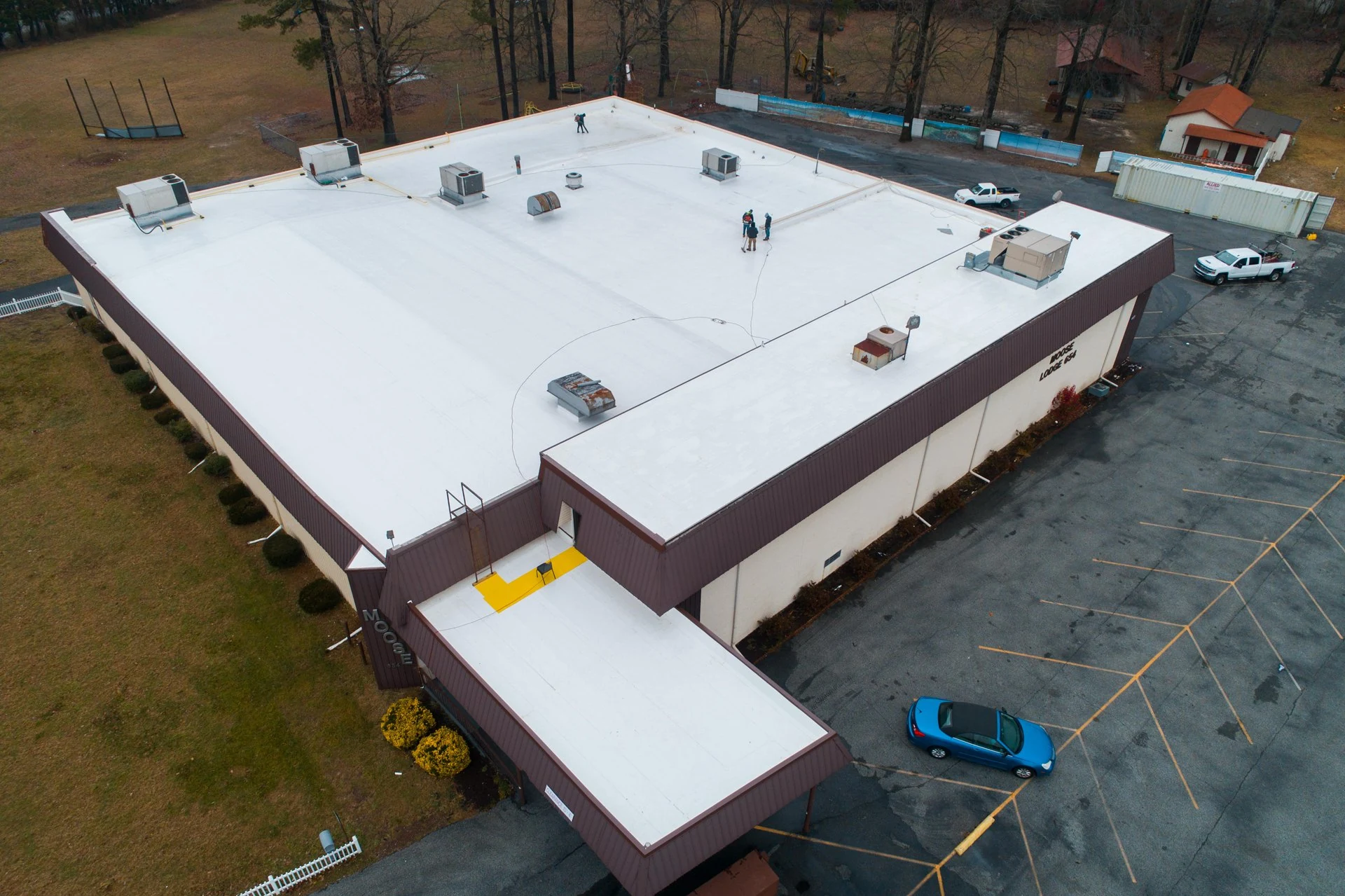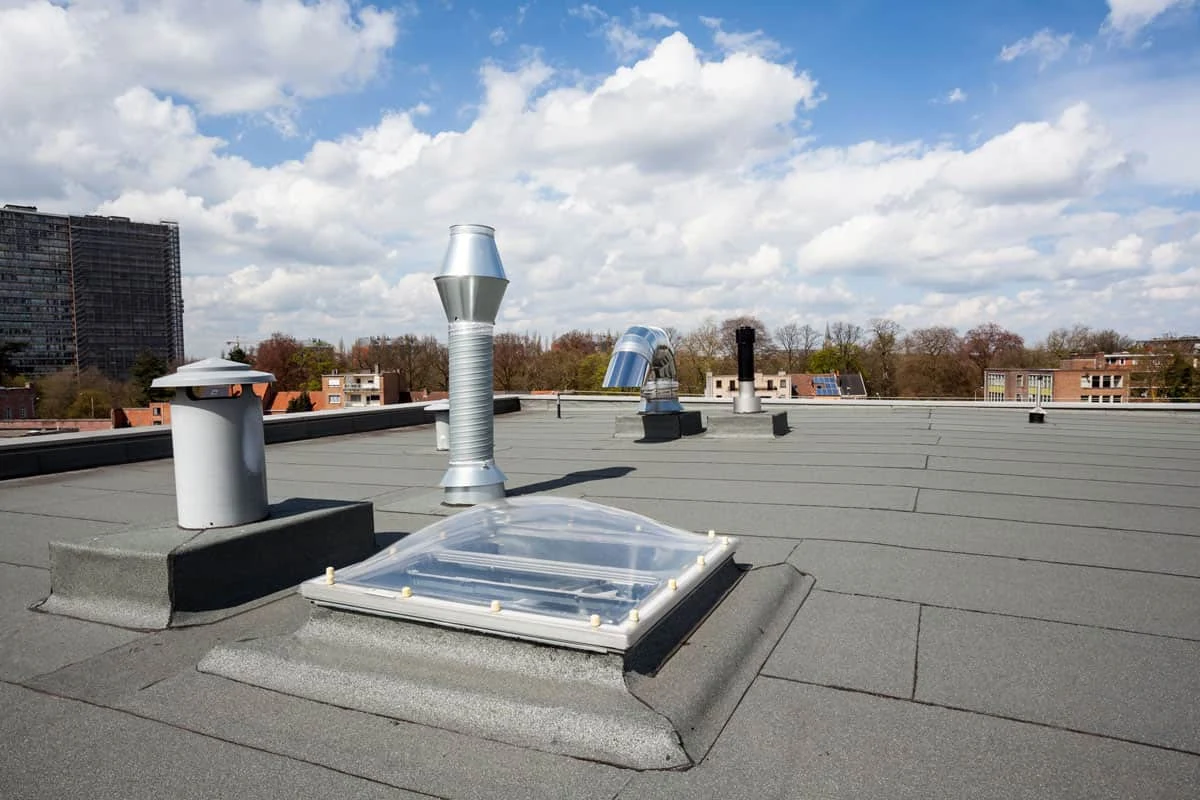
A meaningful share of Roanoke's downtown and rail-district buildings still carry modified bitumen roofs, and for good reason: the system handles the irregular geometry, multiple parapet heights, and older masonry construction common in that part of the city better than a single-ply retrofit often can. We install, repair, and recover modified bitumen roofs using torch-applied, cold-adhesive, and self-adhered methods depending on the building and its surroundings.
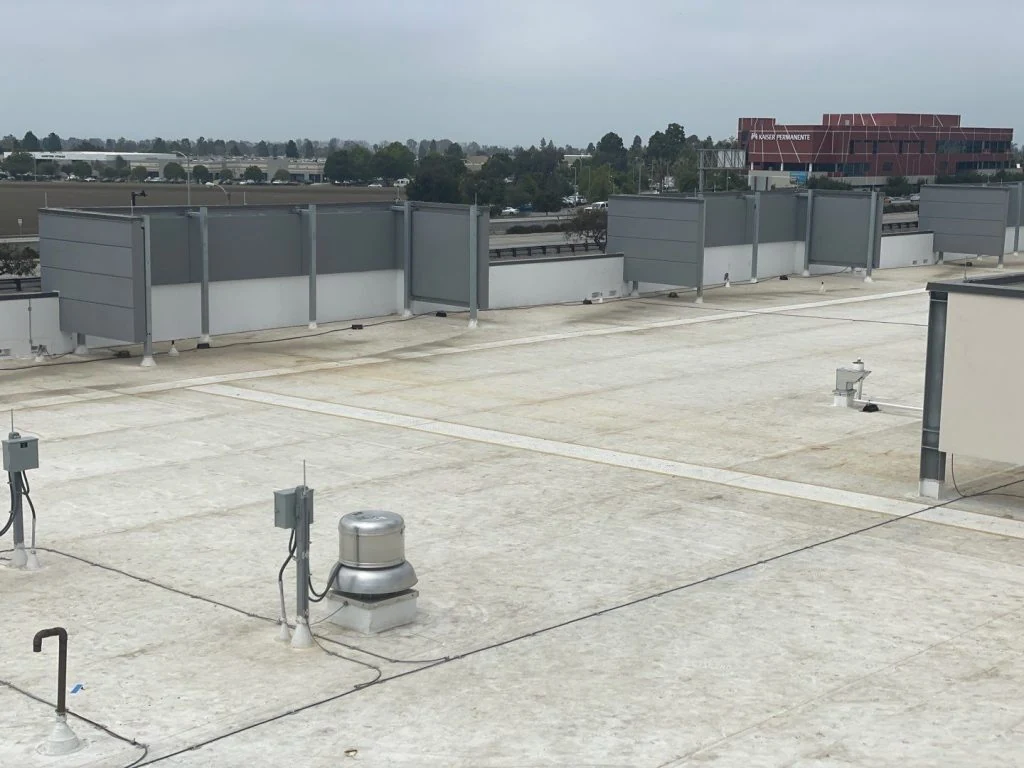
Buildings near Campbell Avenue and the older commercial blocks around the market district were built in eras when roof geometry followed the building footprint exactly, with step-downs, multiple levels, and parapets that a single membrane roll does not always handle cleanly. Modified bitumen's multi-ply, layered application method adapts to that complexity better than a lot of single-ply systems, especially on roofs with a lot of short runs and transitions rather than one large open field.
The system also holds up well under foot traffic, which matters on downtown roofs that see regular maintenance access for rooftop mechanical equipment serving occupied space below, including some of the older office and mixed-use buildings converted from earlier commercial or rail-related use.
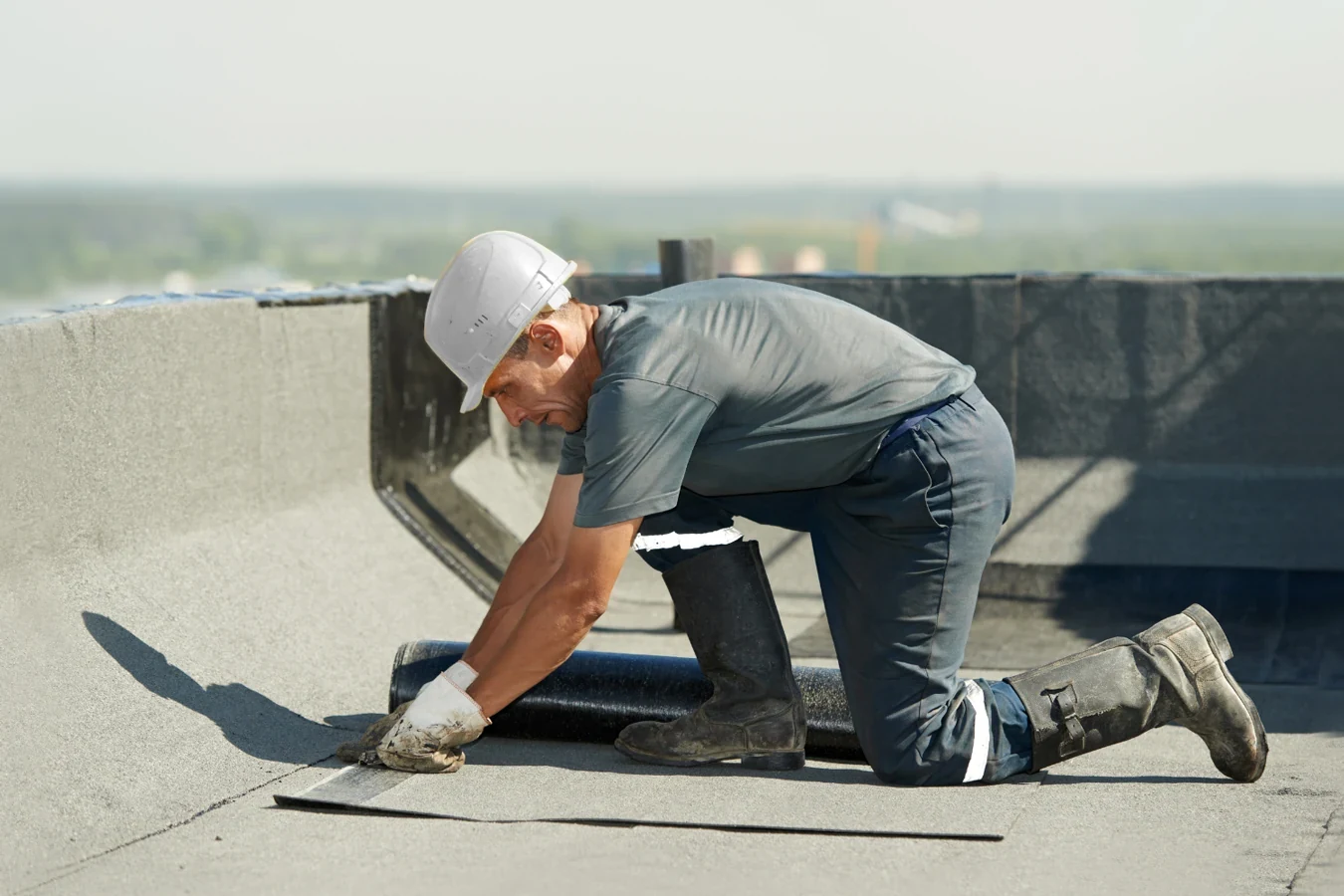
Torch-applied modified bitumen gives a strong, fully fused seam, but open-flame application is not appropriate on every downtown building, particularly ones close to adjacent structures or with combustible materials in the roof assembly. On those jobs we specify cold-adhesive or self-adhered systems instead, which trade a small amount of seam performance for a much lower fire risk during installation, an important consideration on tightly packed city blocks.
Where torch application is appropriate, we follow fire-watch procedures during and after installation, keeping an eye on the roof for smoldering material well past the point most crews would call the job done for the day.
Most of our modified bitumen installations run a two-ply system, a base ply mechanically attached or adhered to the deck, and a cap sheet fused to it, which gives the roof redundancy that a single-ply membrane does not have. If the cap sheet develops a puncture or blister, the base ply is still there doing its job, which buys time before a small problem becomes an active leak.
Modified bitumen ages differently from single-ply membrane, and the signs of a roof reaching the end of its service life look different too. Granule loss exposes the asphalt layer underneath to UV degradation, which accelerates once it starts. Blistering happens when moisture trapped between plies expands and contracts with temperature swings, common enough during Roanoke's freeze-thaw winters, and untreated blisters eventually crack open into active leak points.
We check both conditions during every inspection and separate cosmetic granule loss, which is a maintenance item, from structural blistering, which is a repair or replacement signal. Conflating the two leads either to unnecessary early replacement or a roof left in service too long.
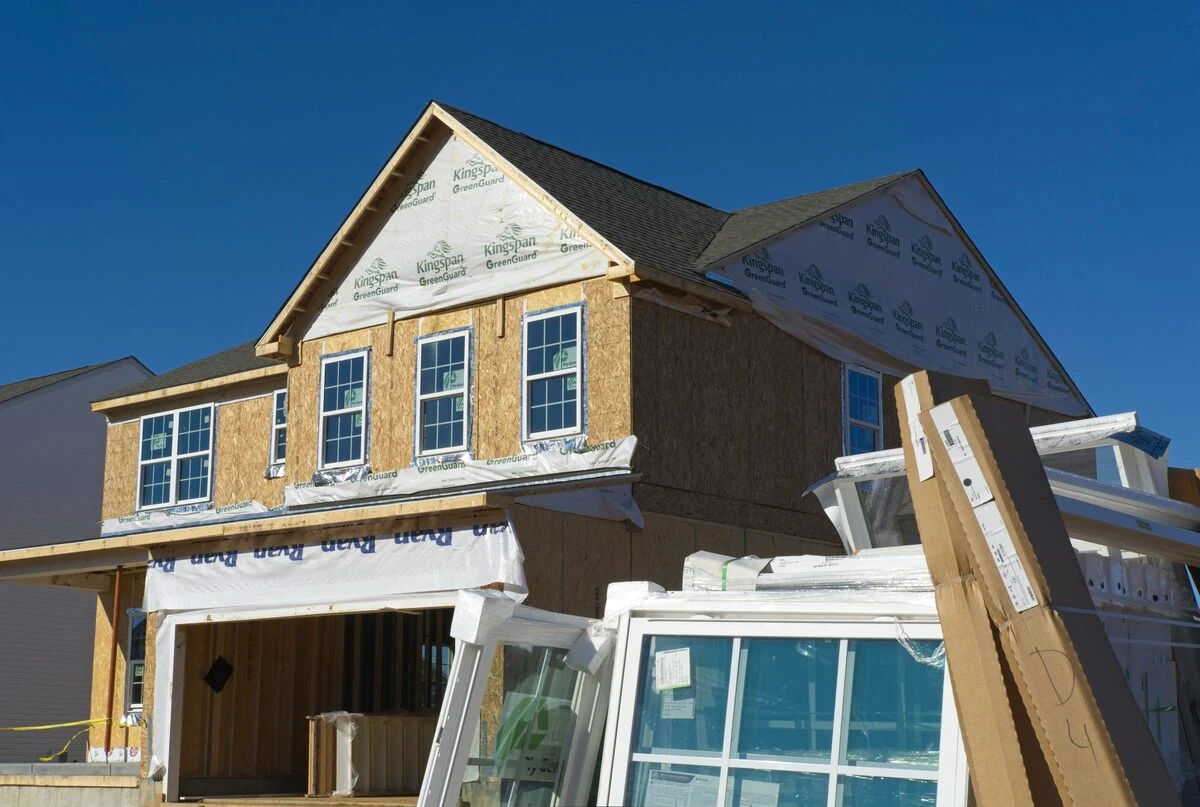
Buildings tied to Roanoke's railroad history, including structures adjacent to the old Norfolk Southern shop complex, often carry modified bitumen over an older deck that was reroofed multiple times without ever being taken back to the original substrate. Before recommending a new modified bitumen layer or a coating recover, we check how many roof layers already exist, since building codes and structural load limits both cap how much roof weight a deck can carry before a tear-off becomes mandatory rather than optional.
Some of these buildings have also picked up rooftop mechanical equipment over the decades that the original roof design never accounted for, from added condensing units to communication conduit runs. We map that added weight against the deck's original design load before finalizing a recover plan, rather than assuming a roof that held up under the original equipment load will automatically carry whatever has been added since.
For buildings with complex roof geometry, multiple parapets, or heavy foot traffic access, modified bitumen still performs well. For a large, simple open roof, single-ply membrane is usually more cost-effective. We base the recommendation on the roof's actual layout.
It can be, with proper fire-watch procedures, but we specify cold-adhesive or self-adhered systems instead on buildings close to adjacent structures or with combustible materials nearby, since that removes the open-flame risk entirely.
Granule loss is surface wear that exposes the asphalt layer to UV and is a maintenance concern. Blistering is trapped moisture between plies that eventually cracks and leaks, which is a repair or replacement signal depending on how widespread it is.
Most codes cap it at two layers, though the real limit depends on what the deck was designed to carry. We check the roof's layer history before recommending a new layer versus a full tear-off.
Often yes, if the roof is structurally sound and the ply layers are still bonded well. A silicone or acrylic coating over a granulated or smooth cap sheet can extend service life at a lower cost than a new roof system.