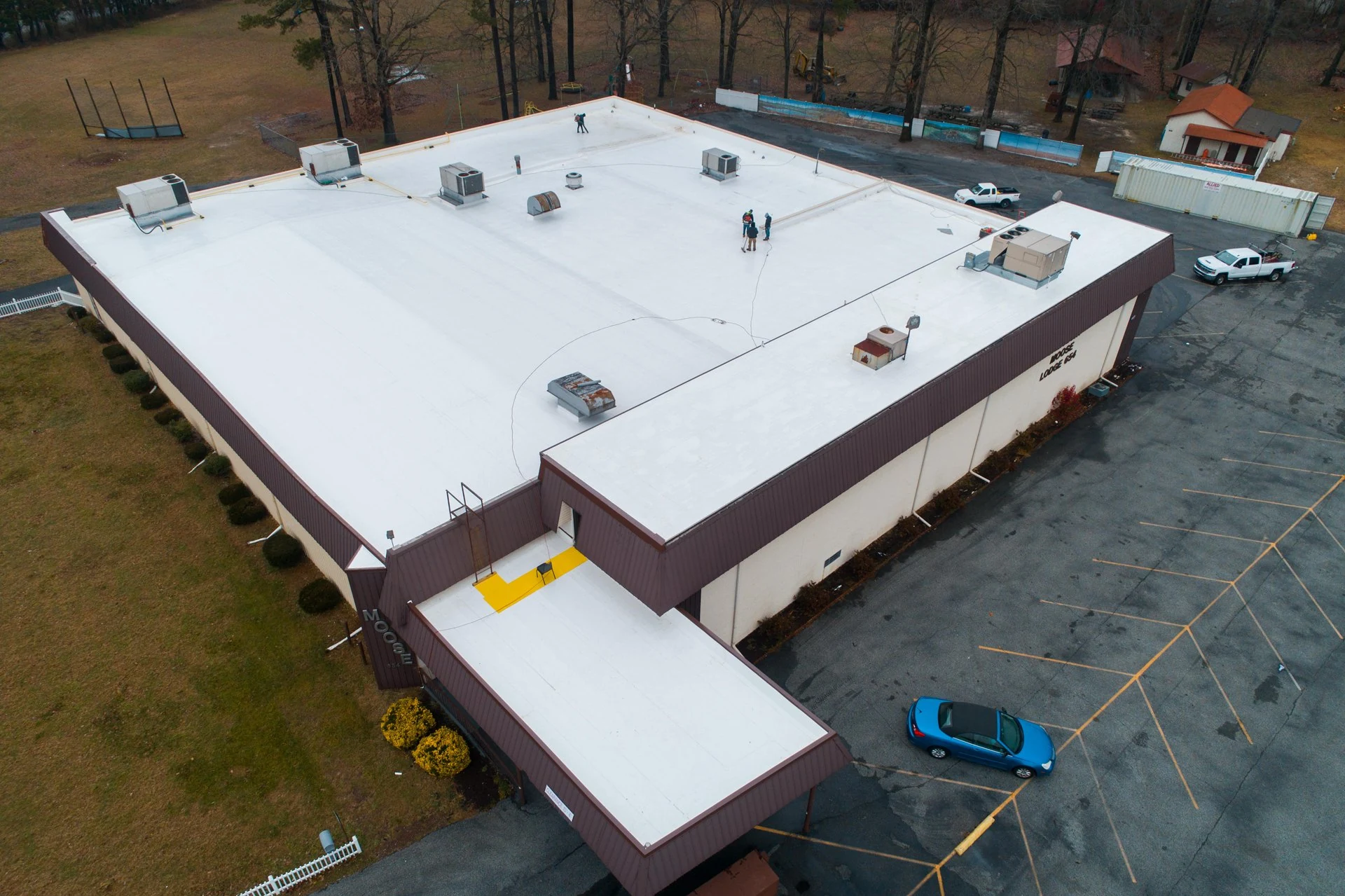
Ponding water is the most common preventable cause of premature membrane failure we see. A roof that drains properly sheds stress that a poorly draining roof carries indefinitely - standing water accelerates membrane degradation, adds structural load, and in this climate, freezes and expands at low points during winter cold snaps. Getting drains and scuppers right is unglamorous work with an outsized effect on roof lifespan.
Water sitting on a membrane longer than 48 hours after rain accelerates UV-independent degradation of the membrane surface and adds weight the structure wasn't necessarily designed to carry long-term. In the valley's winter freeze-thaw pattern, ponded water at a low point freezes overnight and expands, which stresses seams and can crack brittle membrane at the exact spot where water was already the biggest problem. It's a compounding failure mode, not a static one.
A lot of the older industrial and manufacturing roofs we inspect near the rail corridor have low points that developed gradually as the original roof deck settled over decades, and drains that were adequate when installed no longer sit at the true low point of the roof.
We map the roof's actual drainage pattern during a wet-weather or post-rain walk, identifying where water is genuinely pooling versus where it's draining as designed. This tells us whether the fix is a drain or scupper repair, a tapered insulation correction to redirect slope, or in some cases an additional drain where the original design under-served the roof area.
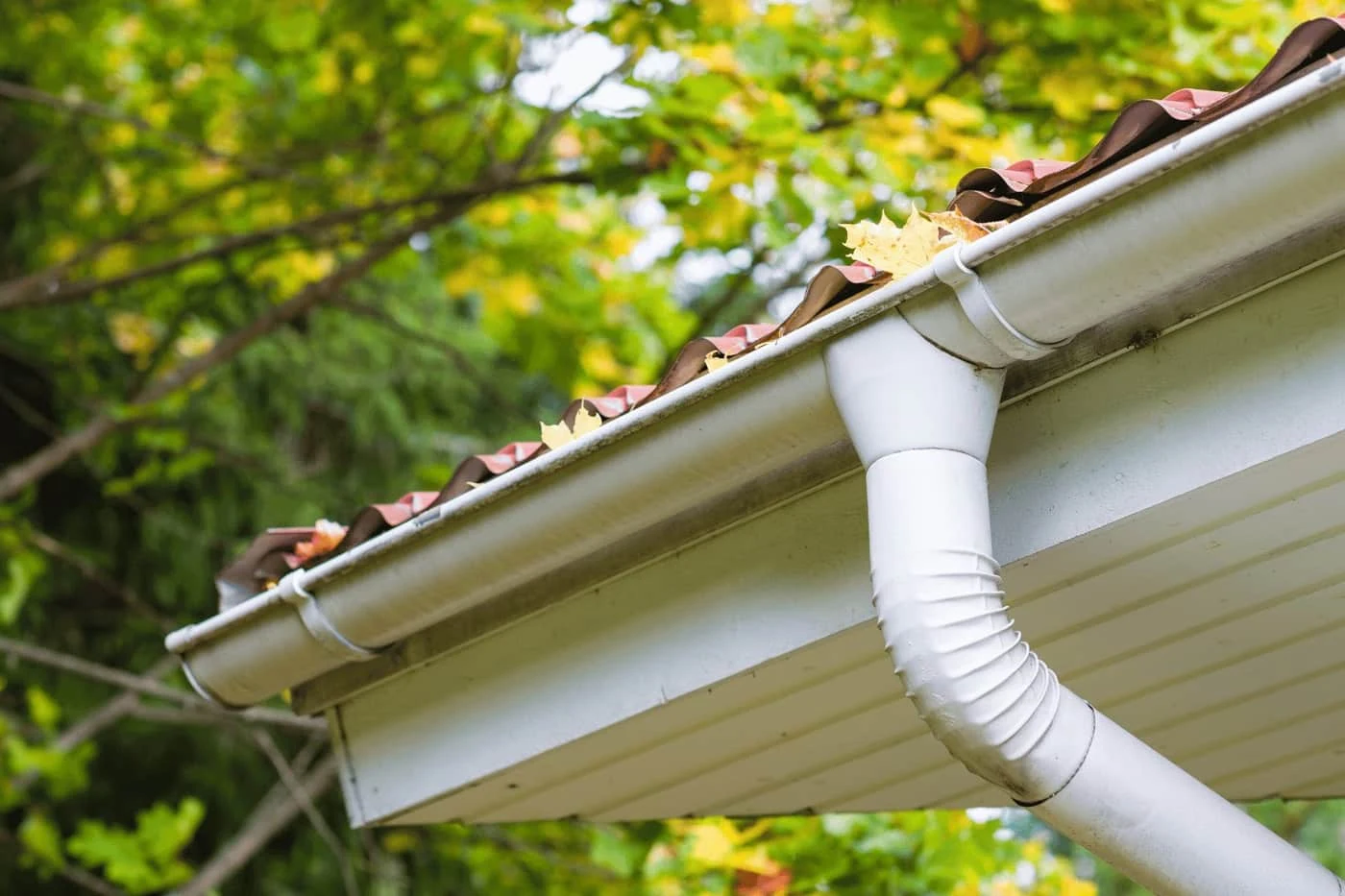
Clogged drains are the simplest and most common issue - debris from nearby trees, roofing granules, or windblown material from adjacent construction can block a drain enough to cause ponding even on a properly sloped roof. We clear these as routine maintenance, but a drain that clogs repeatedly despite regular clearing usually points to a design or strainer problem worth correcting.
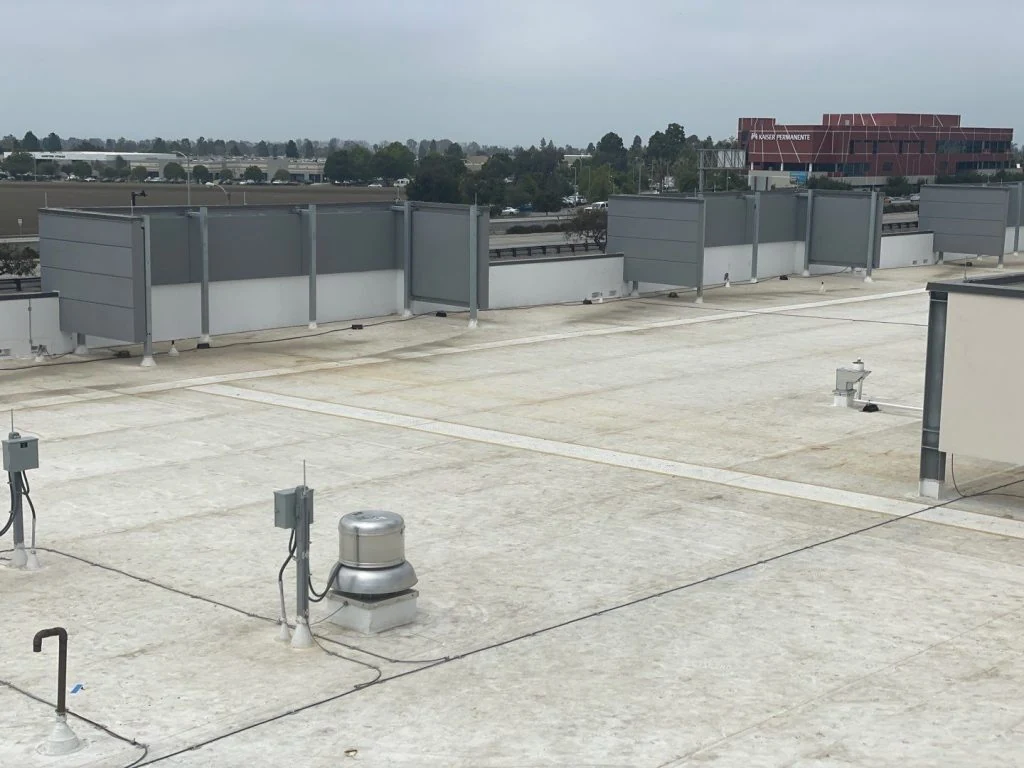
Many buildings here use a mix of interior roof drains and perimeter scuppers, and each has different failure points. Interior drains can clog at the strainer or, less visibly, develop leaks at the drain bowl connection to the deck below - a leak that shows up as an interior stain near a drain is often the drain assembly itself, not the surrounding membrane. Scuppers are more exposed to physical damage and to debris blocking the opening from outside.
Code requires a secondary overflow path - either overflow scuppers or a secondary drain set slightly above the primary - sized to handle water if the primary drainage system is blocked or overwhelmed. We check that overflow provisions are actually functional during inspections, since it's common on older buildings to find an overflow scupper that's been sealed over during a past reroof or parapet repair, leaving the roof with no backup if the primary drain clogs during a heavy summer storm.
This is a structural safety issue as much as a maintenance one. A roof deck not designed to carry the weight of several inches of trapped rainwater is at real risk if both primary drainage and overflow are compromised at the same time, which is why we treat a sealed-over overflow scupper as a priority repair rather than a minor detail.
Summer thunderstorms rolling off the Blue Ridge can drop a significant volume of rain in a short window, and drainage systems sized only for average rainfall can be overwhelmed during these bursts, causing temporary ponding even on a properly maintained roof. We evaluate drain and scupper capacity against realistic peak storm intensity for this area rather than average annual rainfall figures alone.
Ice formation at drains and scuppers during winter cold snaps can physically block flow even when the drain itself is clear of debris. We flag this as a seasonal risk during fall maintenance visits and recommend heat-traced solutions on drains with a documented history of winter blockage.
Most membrane manufacturers and industry standards point to 48 hours as the threshold where standing water starts accelerating degradation. Water that clears faster than that after rain is generally within normal drainage performance.
Deck deflection from structural settling, insulation compression, and prior repairs that didn't account for original slope can all shift where water actually collects, even on a roof that drained fine when built.
Basic debris clearing from accessible strainers is reasonable for building staff to handle between professional visits, but we recommend a professional check periodically to catch strainer damage or drain bowl leaks that aren't obvious from a visual clear.
Both need regular attention, though scuppers are more prone to external debris blockage while interior drains are more prone to internal clogging and connection leaks. We check both on the same maintenance schedule.
Often yes. Tapered insulation correction, additional drain installation, or drain and scupper repair can solve most ponding issues without a full reroof, unless the underlying deck itself has structural settling that needs separate attention.