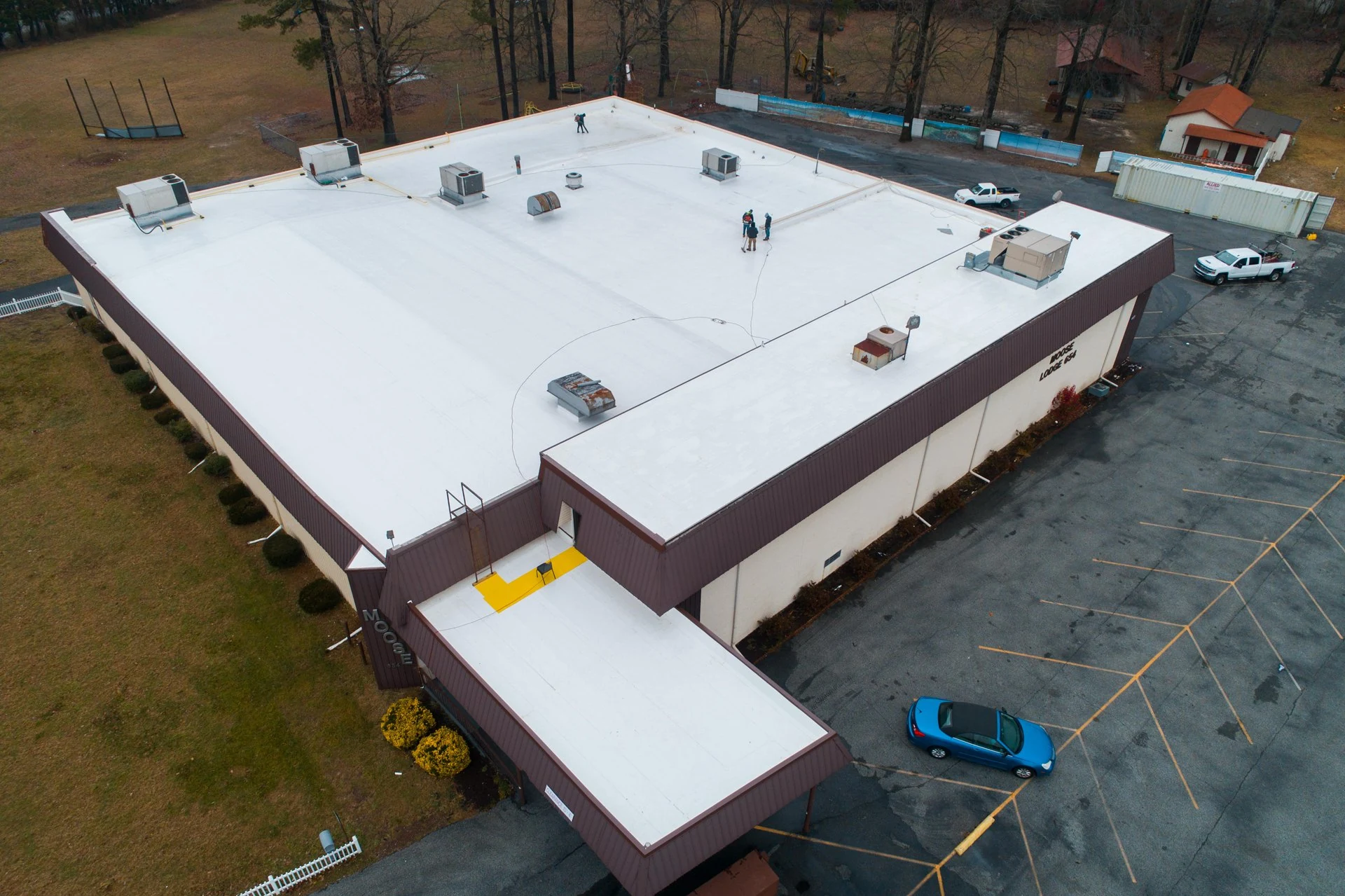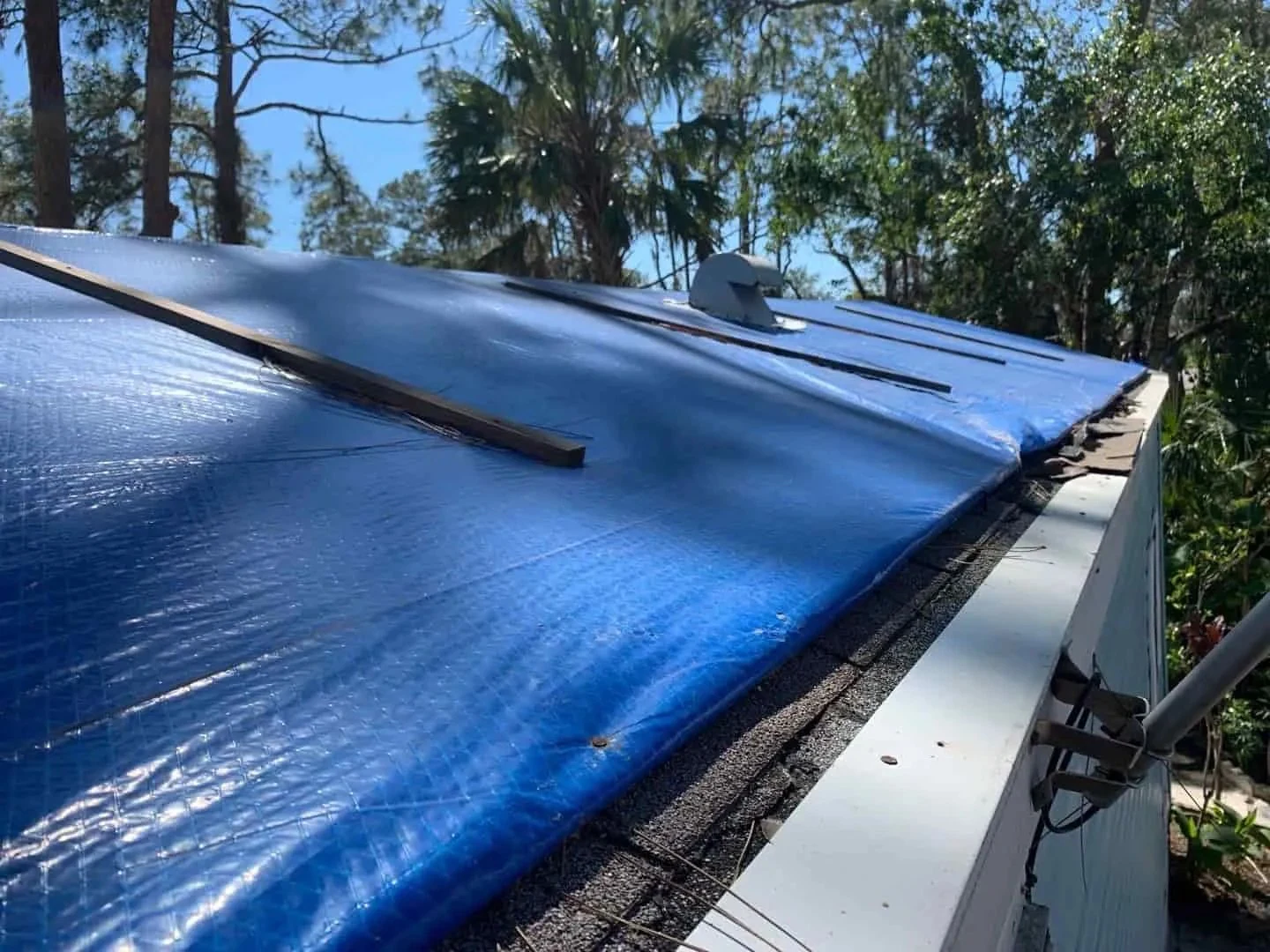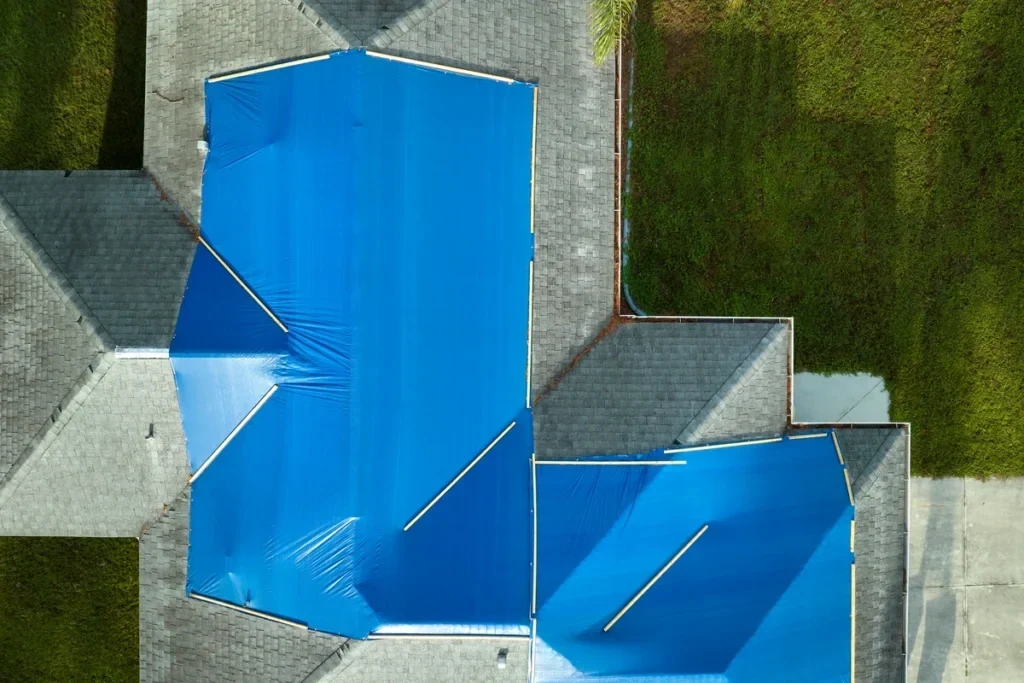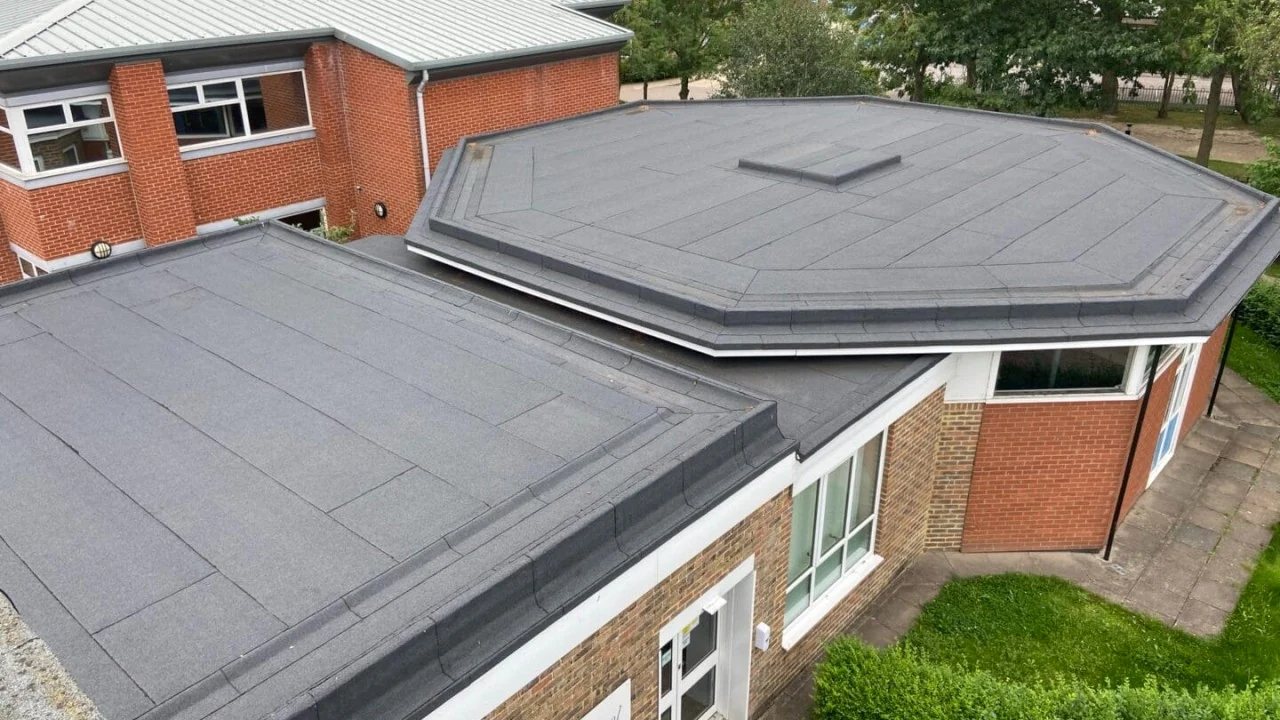
Recover work, installing a new roof system over an existing one rather than tearing it off, is one of the most common projects we take on across Roanoke's older commercial building stock. Done correctly on the right roof, it cuts cost and disruption significantly compared to a full tear-off. Done on the wrong roof, it seals in a problem that gets more expensive to fix later. The decision comes down to what's actually happening in the existing assembly rather than what the surface looks like from the ground.
No recover recommendation happens without a moisture scan of the existing roof first. Trapped moisture in the insulation layer, invisible from the surface, guarantees early failure of anything installed on top of it, regardless of how good the new membrane is. We run infrared or capacitance scanning across the field and confirm any suspicious readings with core samples before committing to a recover approach.
Where scans come back clean, recover becomes a genuinely strong option. Where they show widespread moisture, we recommend tear-off instead, even though that's the more expensive and disruptive answer, because installing over wet insulation is a decision that costs more to unwind later than it saves now.
Building codes generally cap how many roof layers a structure can carry before a full tear-off becomes mandatory, and older Roanoke buildings that have been recovered once or twice already may already be at or near that limit. We check the roof's layer history, sometimes through core cuts, before assuming a recover is even an available option.
Structural capacity matters separately from the code layer count. A deck and structural frame designed decades ago for a specific roof dead load may not have margin for an additional layer, particularly on buildings that have also picked up added rooftop mechanical equipment weight over the years. We confirm structural capacity rather than assuming it, especially on older manufacturing and rail-district buildings where the original design loads weren't documented with today's standards in mind.
Recover work is often the best opportunity to fix a drainage problem that's been living with the roof for years. Adding tapered insulation board as part of the recover assembly can correct ponding at low spots without the cost of a separate drainage project, since the material and labor are already part of the recover scope. We flag chronic ponding areas during the assessment and price the tapered insulation option alongside the standard flat recover so the owner can weigh the added cost against the long-term benefit.
A lot of the recover work we do sits on buildings from Roanoke's manufacturing and rail-heritage era, structures near the old shop complex and the industrial parks that grew up around the rail lines, where the original built-up or early modified bitumen roof has been patched for years without a full replacement. These buildings are often strong candidates for recover, provided the moisture and structural checks come back clean, since the underlying deck and structure were typically built heavier than current lighter-frame construction.
Newer buildings along the I-81 corridor occasionally need recover work too, usually where an original membrane installation had marginal seam quality and is failing well before its expected service life, rather than because the roof has simply aged out.
Recover extends and refreshes a roof assembly; it doesn't correct structural deficiencies in the deck or framing, and it doesn't address active leaks that are actually plumbing or HVAC condensate issues rather than roof membrane failures. We separate those causes during the initial assessment so a recover project doesn't get blamed later for a leak that was never a roofing problem to begin with.
It needs to pass a moisture scan showing dry insulation, be under the code-allowed layer limit, and have adequate structural capacity for the added weight. We check all three before recommending recover.
Usually, yes, since it eliminates tear-off labor and disposal costs, but the difference varies by roof size and condition. We price both options when a roof is a genuine candidate for either so the owner can compare directly.
Often yes, by adding tapered insulation board at low spots as part of the new assembly. We identify chronic ponding areas during the assessment and price that option alongside the standard recover.
Most codes allow up to two roof layers total. A building already at that limit needs a full tear-off before any new system goes down, regardless of the existing roof's condition.
It depends on the leak's cause. If it's a membrane or flashing failure, recover resolves it. If the source is actually condensate drainage or a plumbing issue mistaken for a roof leak, we identify that during the assessment so the right trade addresses it.