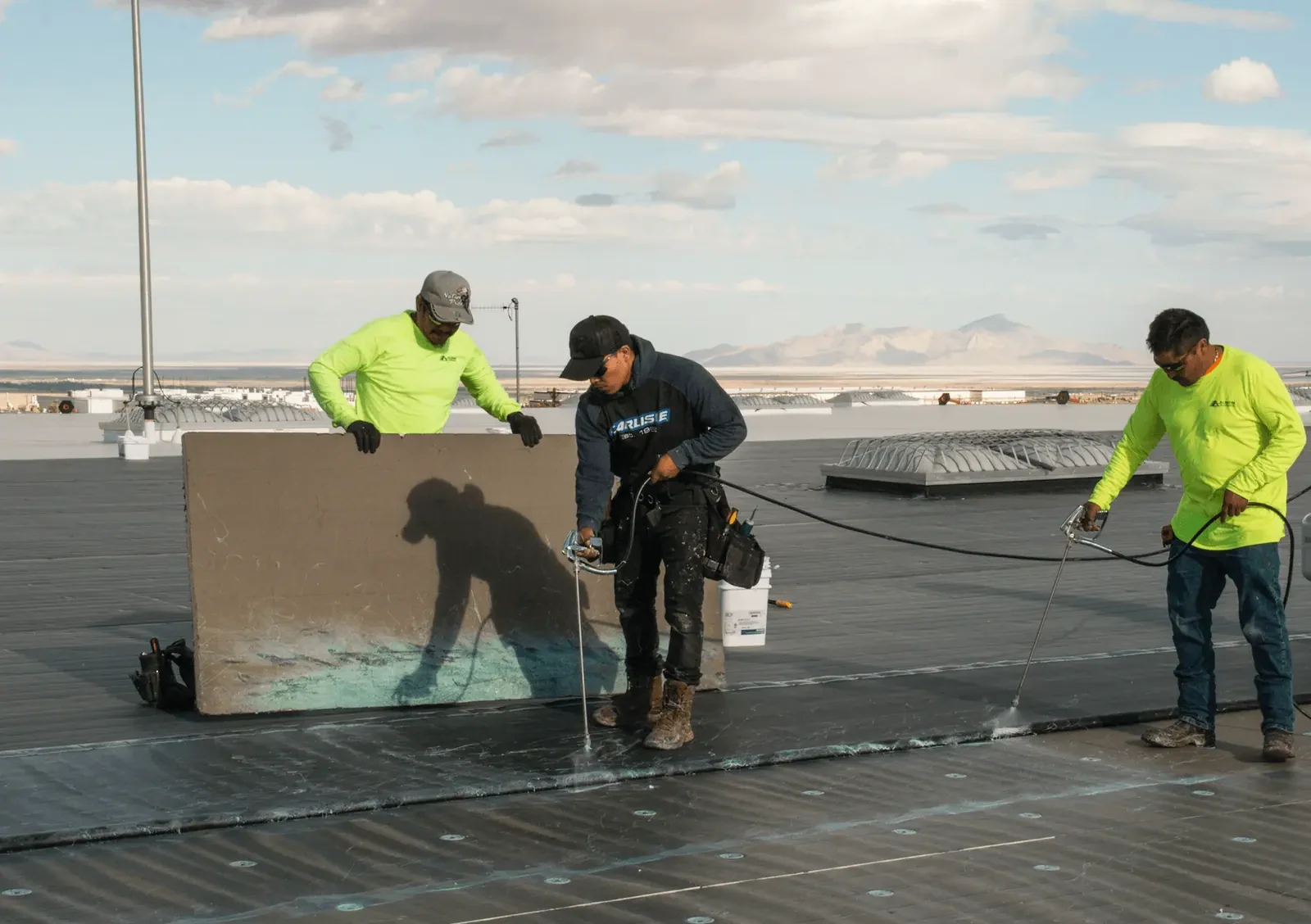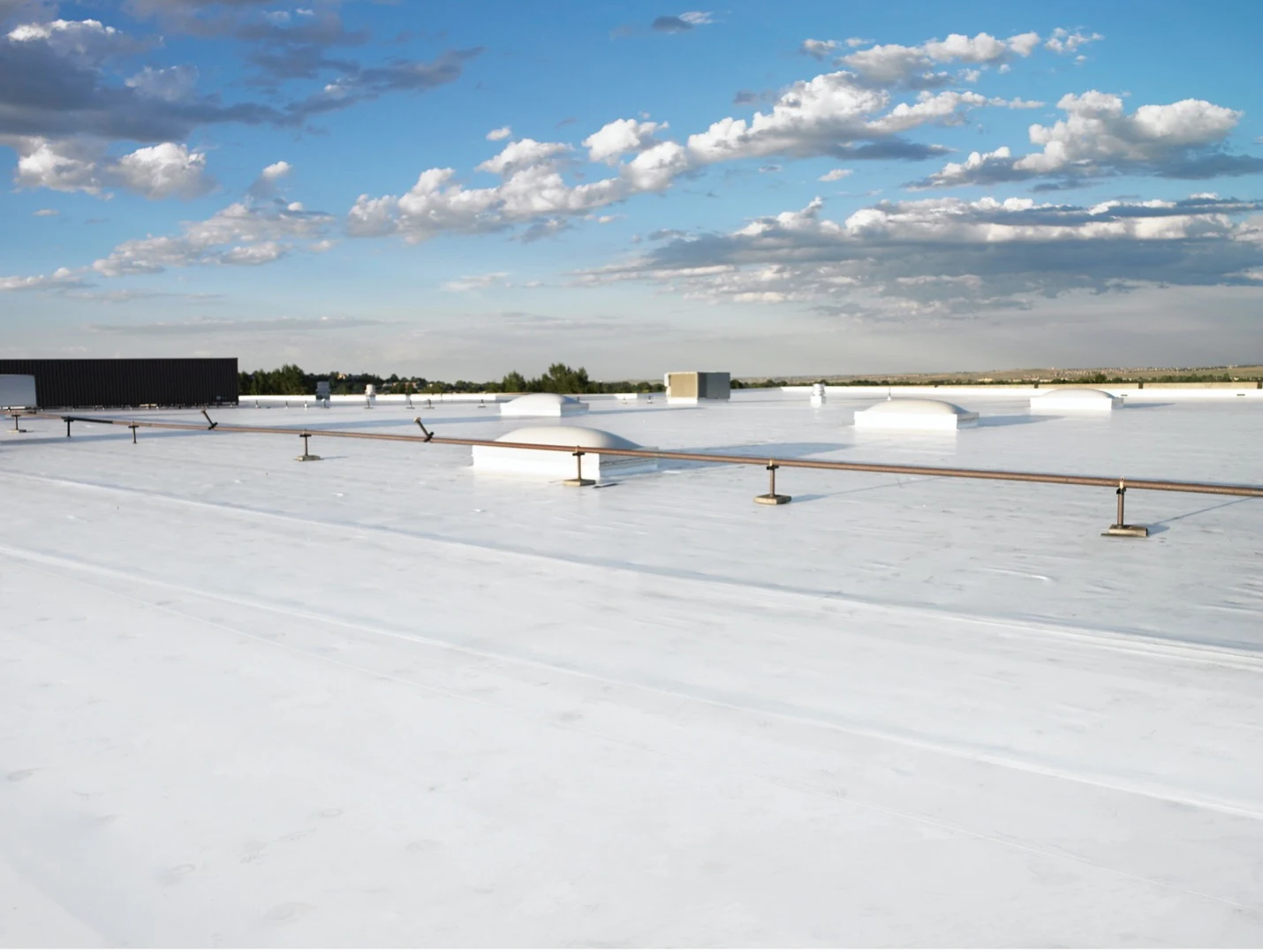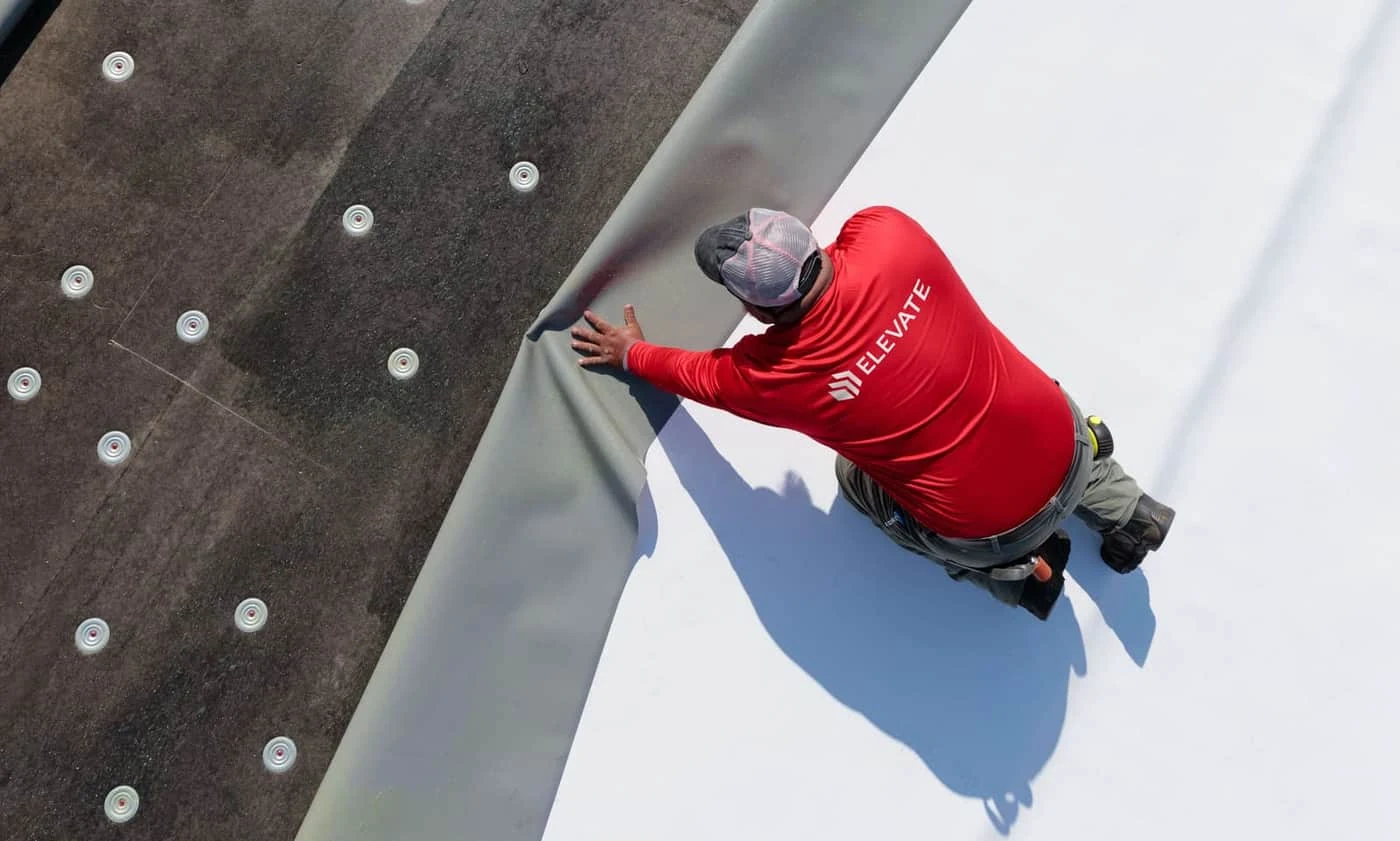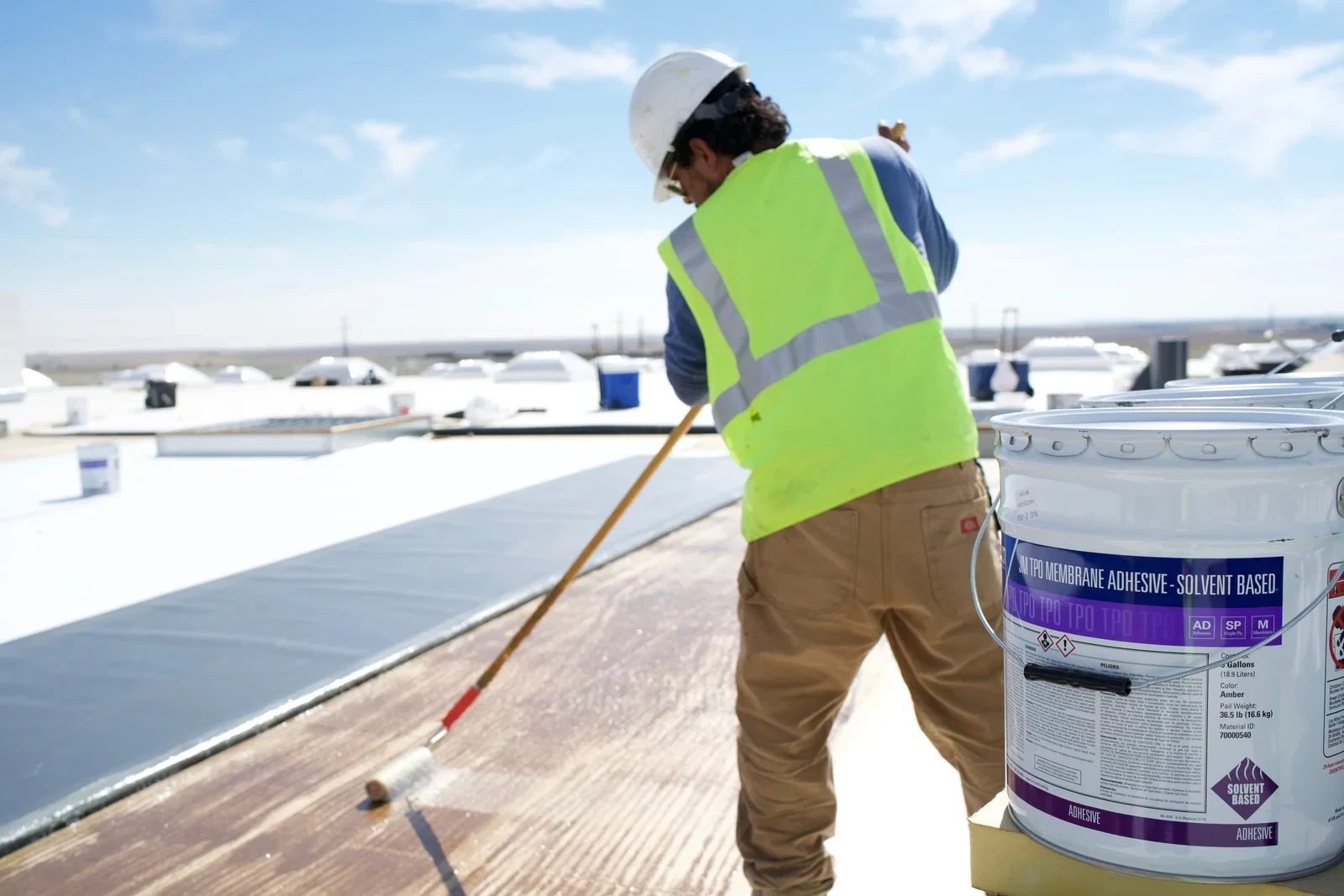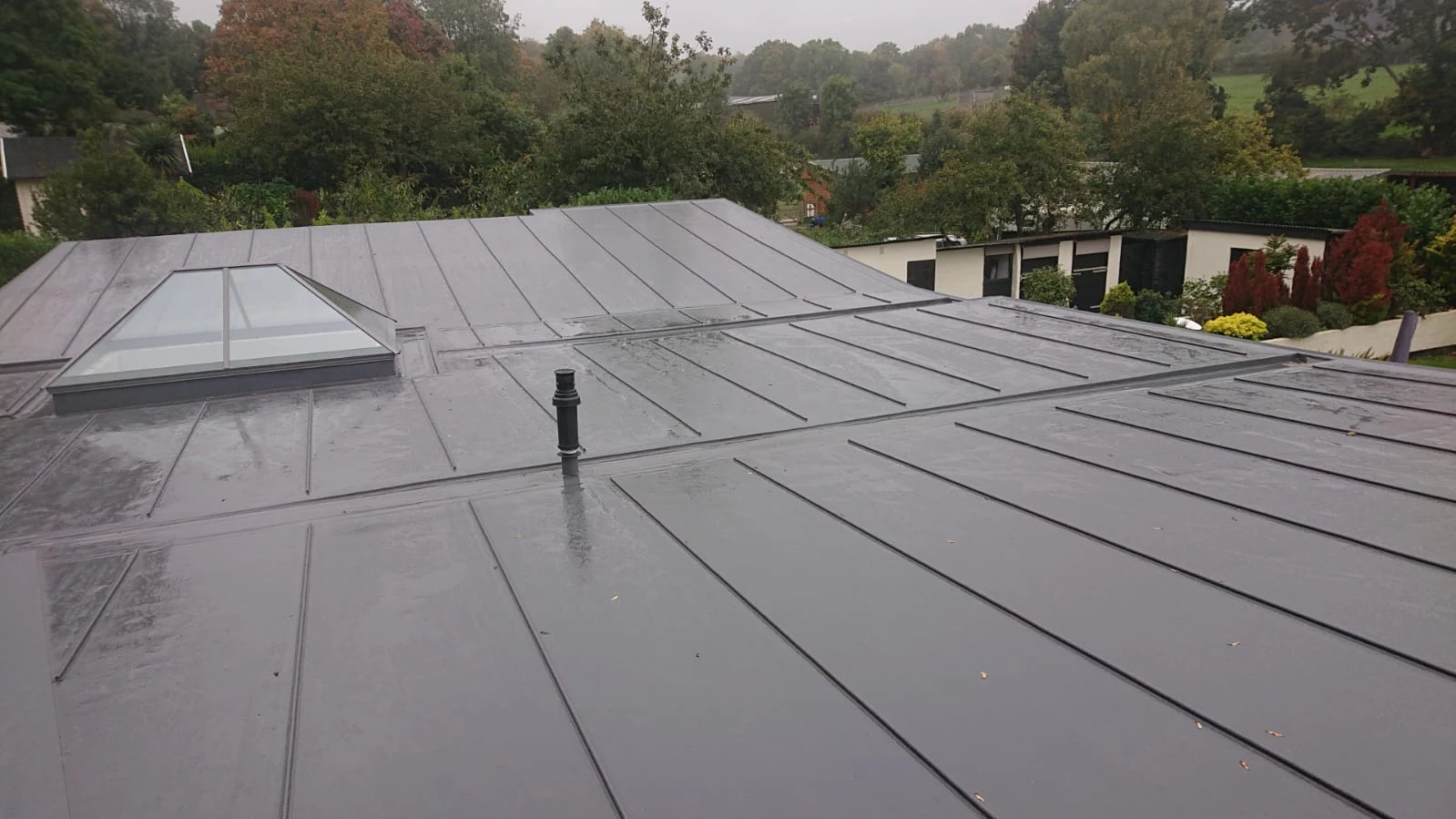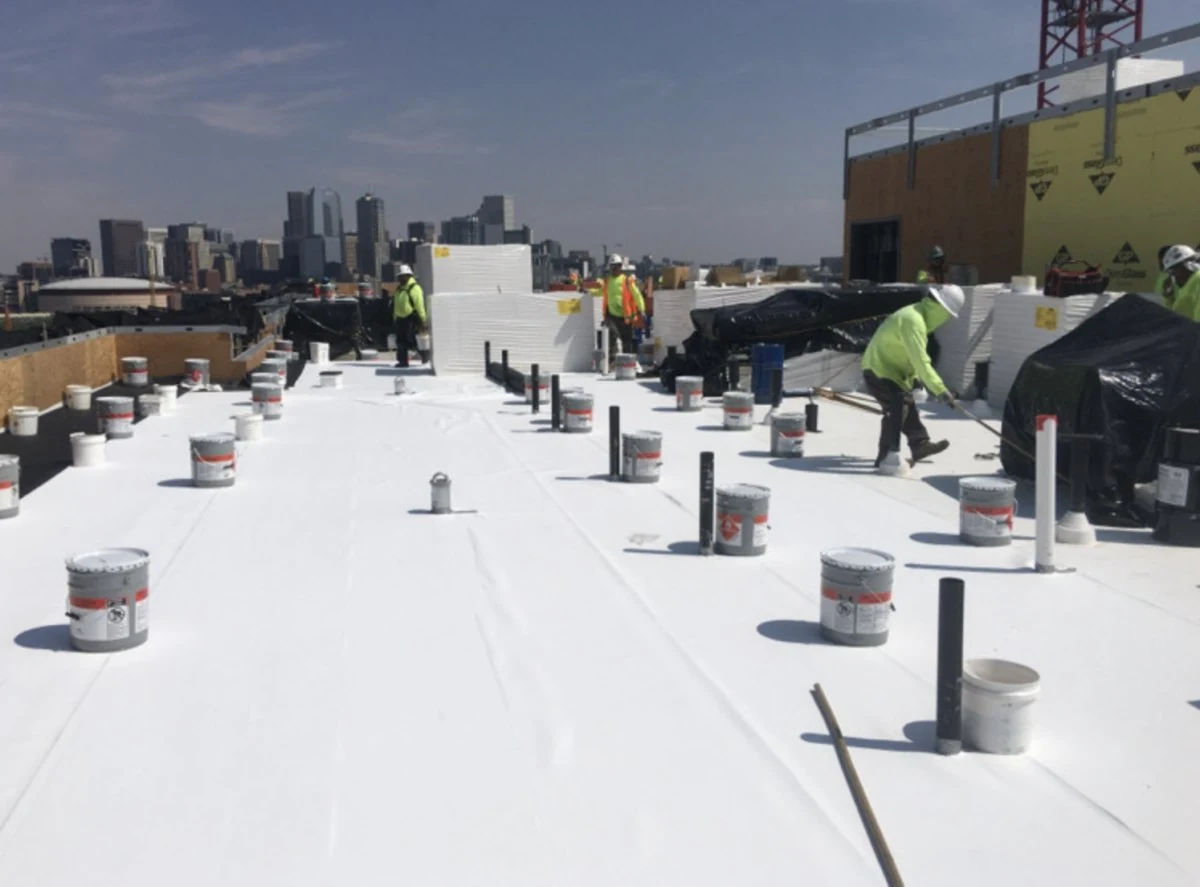
Carlisle SynTec is one of the manufacturers whose single-ply product lines, TPO, EPDM, and PVC among them, we specify on Roanoke Valley commercial roofs. We approach every manufacturer the same way: match the specific product line's published details and fastening data to the building's actual wind exposure and climate exposure, then build to those details so the warranty holds.
Carlisle's TPO line covers the 60-mil and heavier-gauge options we most often spec on Roanoke Valley distribution and light-industrial buildings, where mechanically attached installation over a standard fastening pattern meets the wind-uplift requirement efficiently on a sound deck. The company's EPDM line, including ballasted and fully adhered options, remains relevant on recover projects where an existing roof's insulation and flashing package was originally specified around rubber membrane chemistry.
We treat product selection as a building-by-building decision rather than a default manufacturer preference. A downtown Roanoke office building, a Carilion-area medical facility, and a distribution warehouse along I-81 have different rooftop traffic patterns and wind exposures, and the right Carlisle product line, or a different manufacturer's line entirely, follows from that analysis.
Carlisle publishes fastening patterns and wind-uplift ratings tied to specific deck types, insulation configurations, and attachment methods, and that published data is what we use to calculate the corner and perimeter fastening density for a given Roanoke Valley site, whether it sits on open valley floor under Exposure C conditions or closer to a ridge crest where a topographic speed-up factor raises the design pressure.
Matching the installed assembly to the manufacturer's tested and published configuration is what keeps the wind-uplift rating and the warranty aligned. A fastening pattern that deviates from the documented assembly, even if it looks adequate in the field, can complicate a warranty claim later, so we build to the published detail rather than a field improvisation.
Any single-ply membrane installed in the Roanoke Valley faces a winter with frequent freeze-thaw cycling given the elevation spread between the valley floor and the surrounding ridgelines. We follow Carlisle's published cold-weather installation guidance, minimum application temperatures for adhesives and seam procedures, and adjust scheduling around those thresholds rather than pushing installation into marginal conditions.
Seam integrity over years of freeze-thaw cycling depends on the weld or adhesive bond being fully cured at install, which is a manufacturer specification issue as much as a crew skill issue, we hold our installation to the documented procedure specifically because that discipline is what the freeze-thaw cycling in this market will test over time.
Carlisle offers warranty tiers that vary by membrane thickness, attachment method, and whether the installing contractor holds manufacturer certification for that product line. Longer warranty terms generally require a manufacturer-credentialed installer, adherence to published detail drawings at every flashing and termination condition, and in many cases a manufacturer field inspection before the warranty is issued.
We walk owners through which warranty tier a given project qualifies for before work begins, since the tier depends on decisions made at the specification stage, membrane thickness, cover board selection, attachment method, not something that can be upgraded after installation is complete.
When an existing roof was originally installed with Carlisle membrane, insulation, or flashing components, we check compatibility before recommending a recover approach, some manufacturer warranty structures require matching or approved-compatible components across the full assembly. If the original installation used a different manufacturer's products, we document that and specify accordingly rather than assuming interchangeability.
Moisture core sampling and deck inspection come first regardless of which manufacturer's product is under consideration, the recover-versus-replace decision is driven by the roof's actual condition, not by which product line happens to be already on the building.
Carlisle publishes wind-uplift ratings tied to specific fastening patterns and attachment methods for its membrane lines, and we select and calculate the fastening density against the site's actual exposure, including any topographic speed-up factor for a ridge-adjacent location, rather than a single market-wide default.
Warranty length and coverage vary by membrane thickness, attachment method, and contractor certification level, longer no-dollar-limit terms typically require manufacturer-credentialed installation and adherence to published detail drawings. We confirm which tier a project qualifies for at the specification stage.
Often yes, when moisture cores confirm dry insulation and a sound deck, and the building has not reached the code limit on membrane layers. Staying within the same manufacturer's compatible components can simplify the warranty structure on a recover project.
We follow Carlisle's published minimum-temperature guidance for adhesives and seam work and schedule installation around those thresholds. Seam integrity through years of freeze-thaw cycling depends on a fully cured bond at install, which is a manufacturer specification we hold to rather than a field judgment call.
Yes, we are not a single-manufacturer shop. We recommend the product line, Carlisle or another manufacturer, that best fits a specific building's wind exposure, rooftop traffic, and warranty needs, and we hold certifications across multiple major manufacturers to keep that choice open.