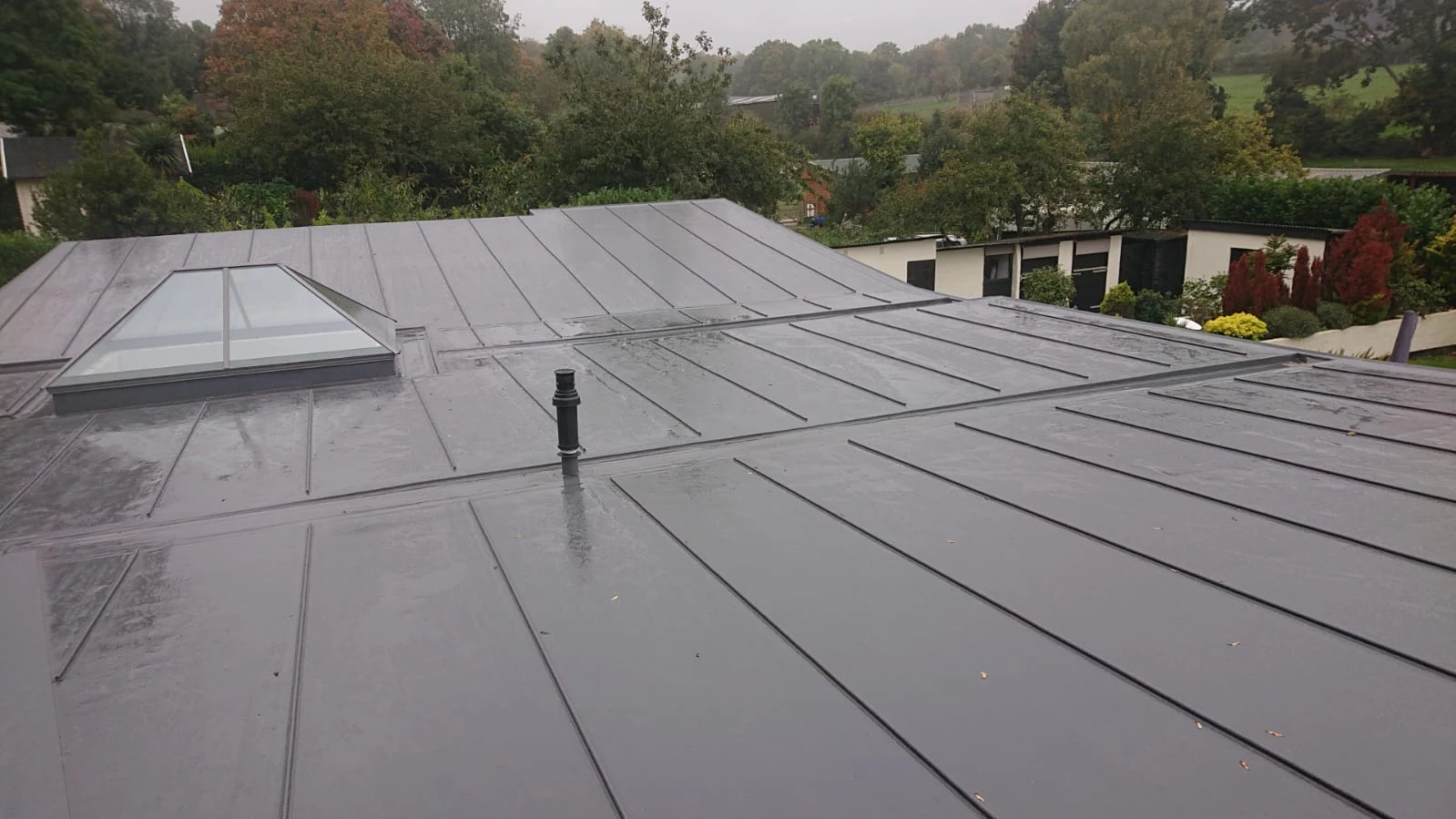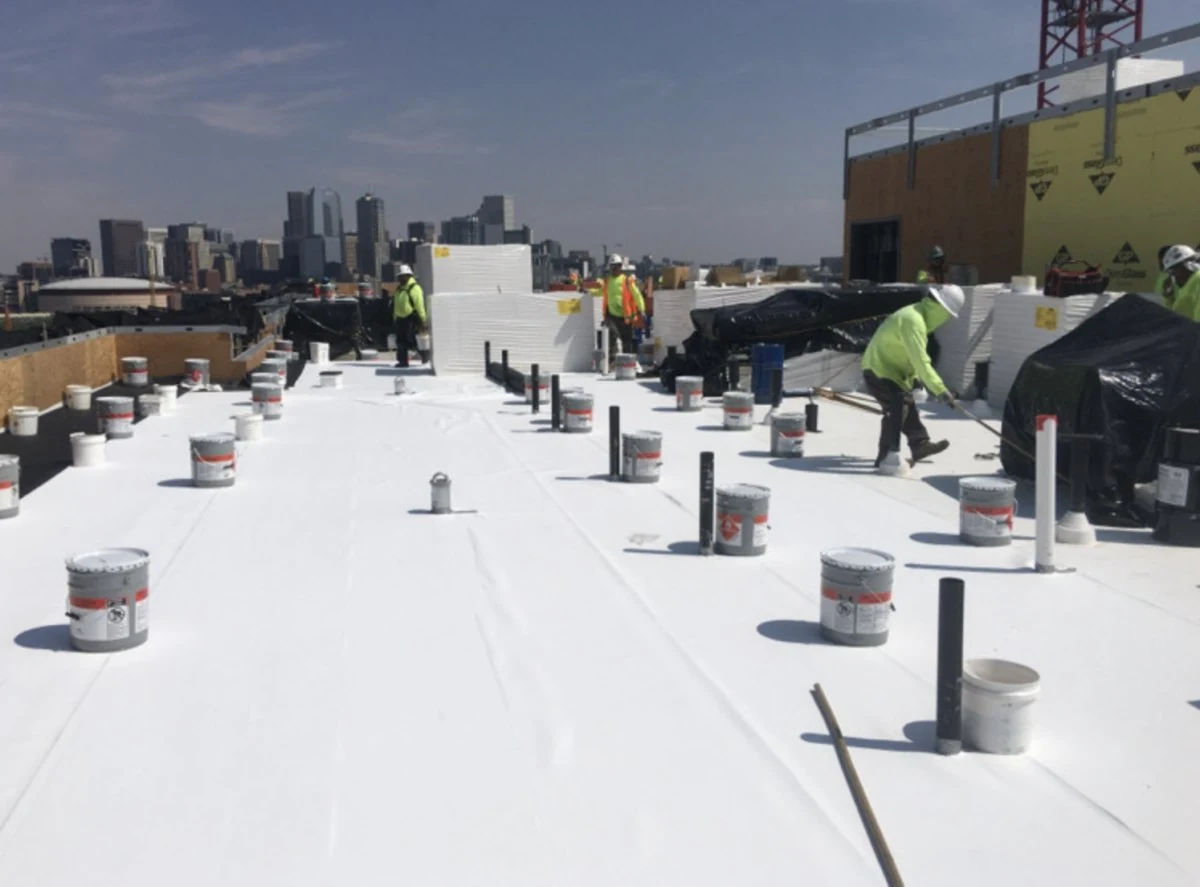
GAF's commercial division covers a broad product range, single-ply TPO and EPDM, modified bitumen, and asphaltic built-up components, which gives us flexibility when a Roanoke Valley project's deck condition, budget, or building type points toward a specific membrane class. We specify GAF product lines the same way we approach any manufacturer, matched to the building's actual wind exposure, traffic pattern, and climate demands, not defaulted to because it is a familiar brand.
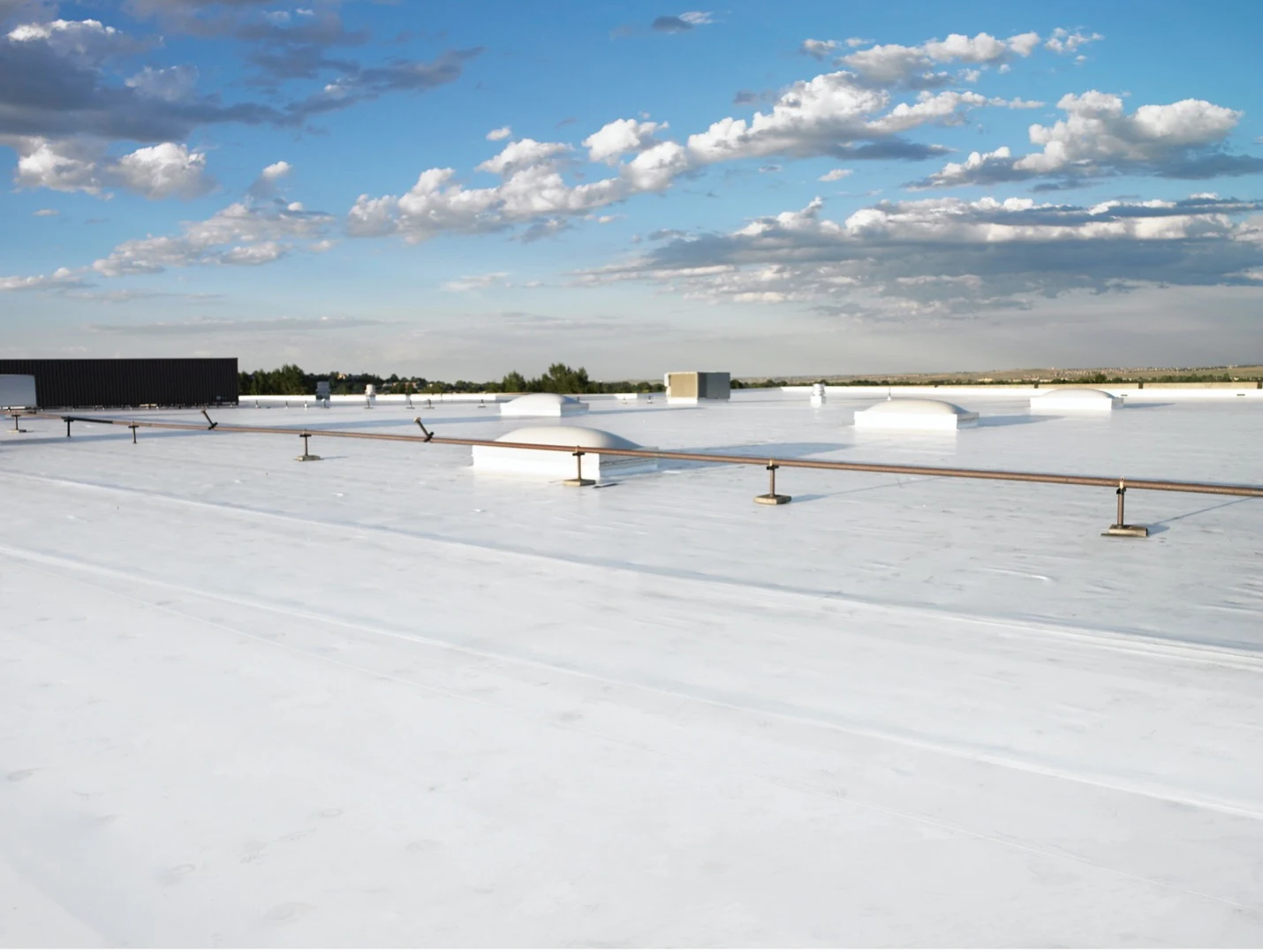
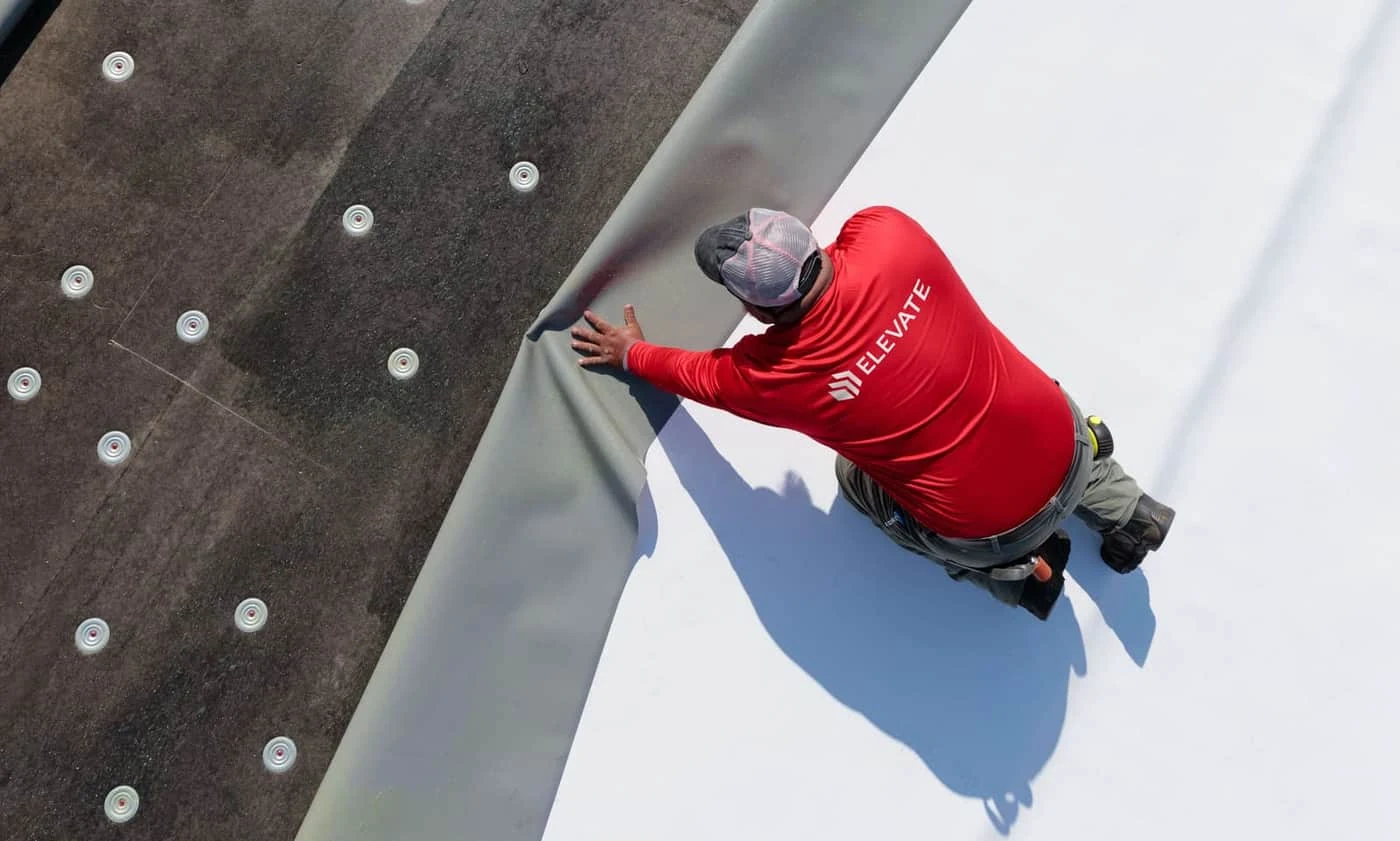
GAF's TPO membrane covers the same 60-mil and heavier-gauge range that dominates our specifications on Roanoke Valley distribution and retail buildings, with mechanically attached installation as the standard approach on a sound deck under typical valley-floor wind exposure. Where a building sits closer to a ridge crest or escarpment and needs a higher wind-uplift rating, fully adhered installation using GAF's published assembly details is the more defensible path.
GAF's EPDM line remains a consideration on recover projects where an existing roof was originally specified around rubber membrane chemistry, keeping the recover assembly compatible with what is already on the building rather than introducing a mismatched membrane class.
GAF's modified bitumen and built-up roofing components come into play on older Roanoke buildings, particularly around the downtown warehouse district and other historic commercial stock, where a multi-ply asphaltic assembly matches the roof's original construction or where deck irregularity favors a system with built-in redundancy over a single-ply membrane.
For these projects we follow GAF's published application specifications for granule cap sheets, base sheet fastening, and, where torch-applied methods are used, the associated fire-watch protocol, the same care we apply across every manufacturer's multi-ply product line in this market.
GAF publishes wind-uplift ratings tied to specific fastening patterns, deck types, and attachment methods for its commercial membrane products, and we use that published data to calculate the corner and perimeter fastening density for a given site, adjusted for whether the building falls under standard valley-floor Exposure C conditions or a higher topographic exposure near elevated terrain toward the Blue Ridge Parkway corridor.
Building to the manufacturer's tested and documented assembly, rather than a field-improvised fastening pattern, is what keeps the installed roof's uplift rating and warranty coverage aligned, a distinction that matters more on this market's ridge-adjacent sites than it does on flat, sheltered terrain.
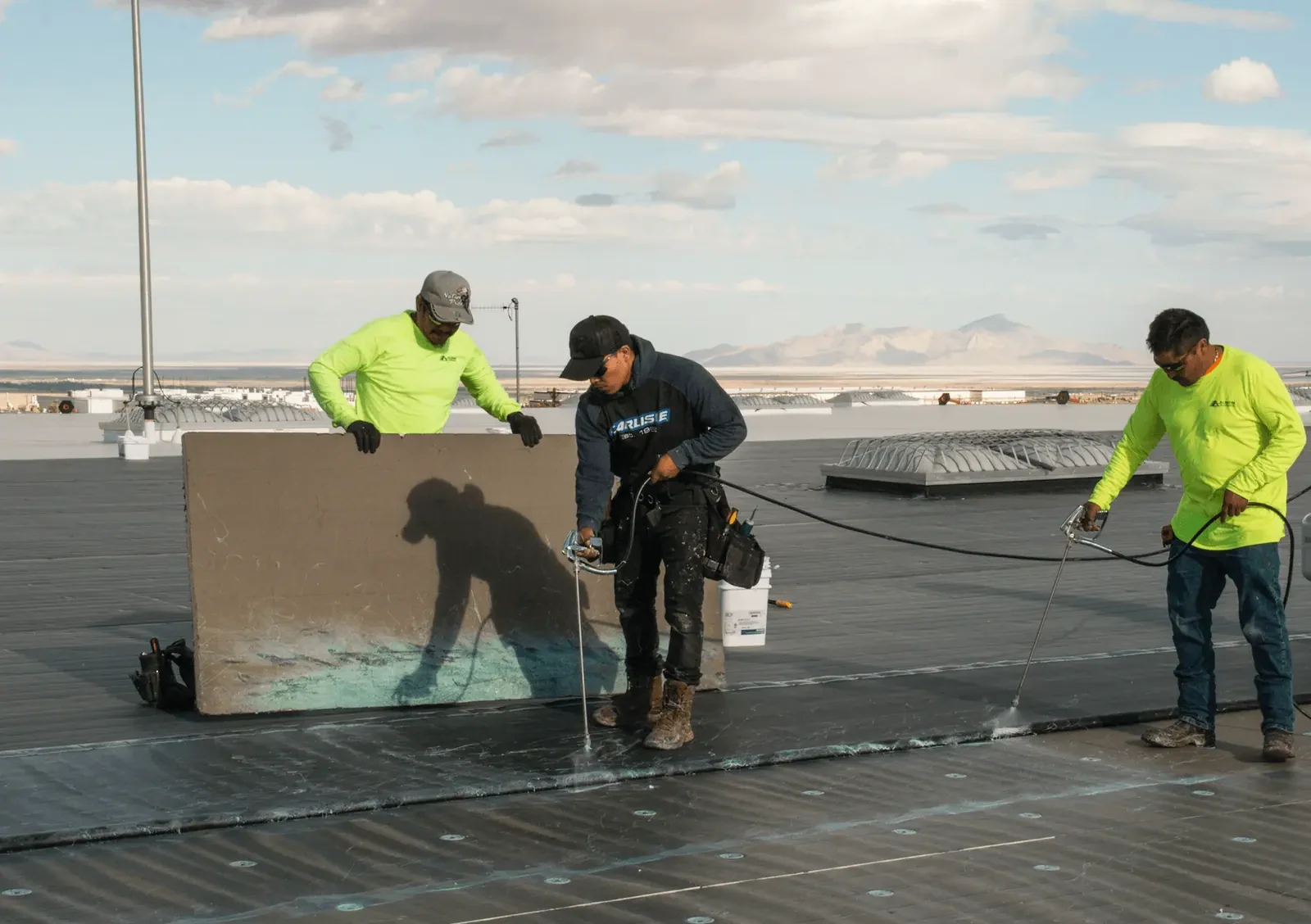
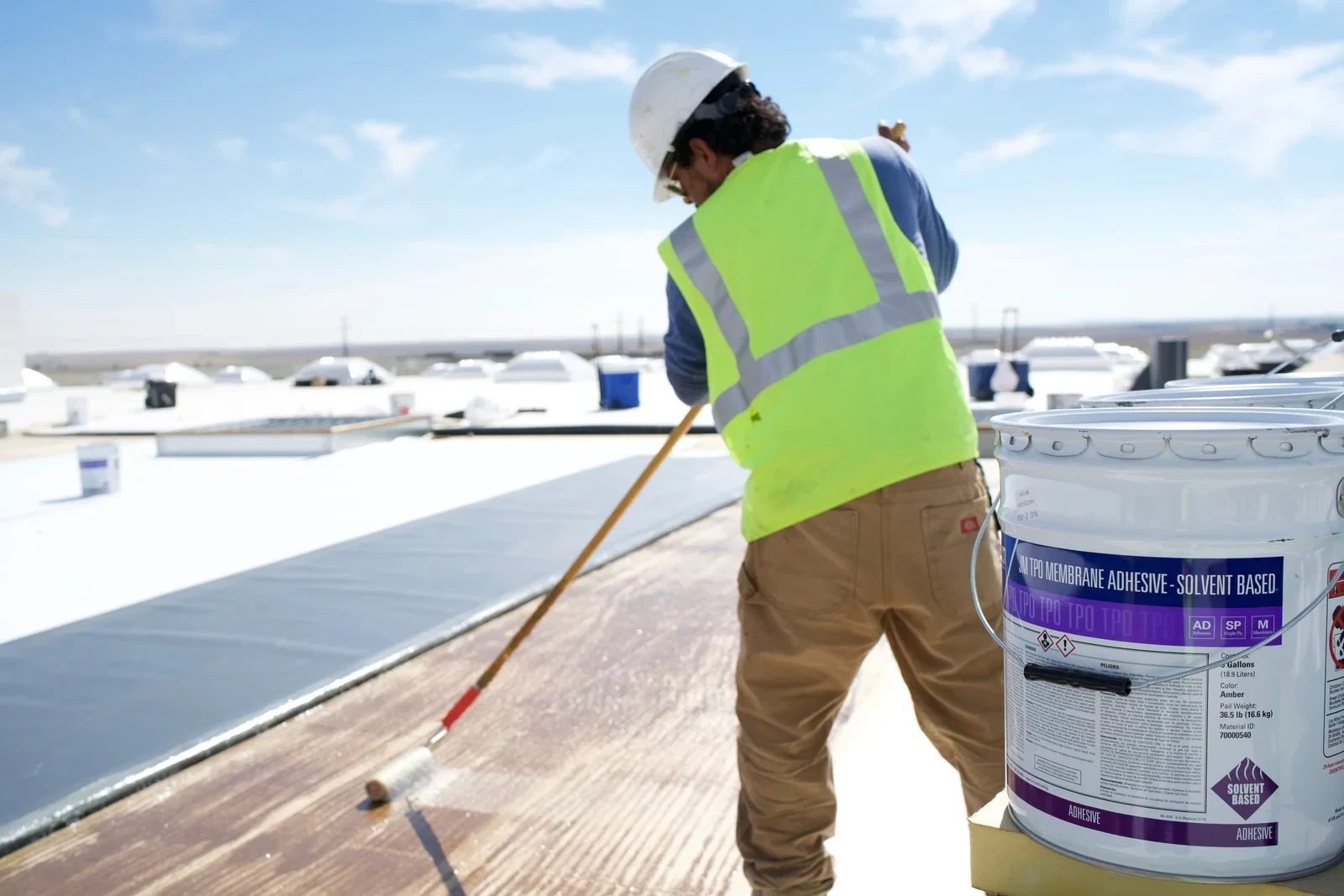
GAF's published installation guidance sets minimum application temperatures for adhesives, seam procedures, and asphaltic products, and we schedule Roanoke Valley installations around those thresholds rather than working through marginal cold-weather conditions. The valley's frequent freeze-thaw cycling through winter, driven by the elevation spread between the valley floor and the surrounding ridges, is exactly the stress a fully cured seam or bond is built to withstand.
We hold to the manufacturer's documented cure and application requirements specifically because that discipline at install is what determines how the roof performs through years of that repeated cycling, beyond its first winter alone.
GAF's warranty structure on commercial membrane systems varies by product thickness, attachment method, and contractor certification level, with the longer no-dollar-limit terms generally requiring installation by a manufacturer-credentialed contractor building to published detail drawings. We confirm which warranty tier a specific Roanoke Valley project qualifies for during scoping, since the tier depends on decisions made before installation, not something added afterward.
A manufacturer field inspection is typically part of qualifying for the higher warranty tiers, and we build to the published details specifically so that inspection passes without rework.
We most often specify GAF's TPO membrane for distribution, retail, and light-industrial buildings, and their modified bitumen and asphaltic products on older buildings with multi-ply roof history or irregular decks. The right product line depends on the building's deck, traffic, and existing roof assembly.
Yes, the longer no-dollar-limit warranty terms on GAF commercial products generally require installation by a manufacturer-credentialed contractor following published detail drawings, along with a manufacturer field inspection in many cases. We confirm the applicable tier before work begins.
We use GAF's published fastening patterns and tested assembly data for the specific deck type and attachment method, calculated against the building's actual site exposure, including any topographic wind speed-up factor for a ridge-adjacent location, rather than a generic market-wide fastening spec.
Often yes, when moisture cores confirm the existing insulation is dry and the deck is sound. Multi-ply assemblies like GAF's modified bitumen line frequently recover well over compatible existing multi-ply roofing, which is common on older Roanoke commercial buildings.
We follow GAF's published minimum-temperature installation guidance and schedule work around those windows, and we account for the repeated freeze-thaw stress this climate produces when specifying membrane thickness and seam or adhesive procedures rather than a warmer-climate default spec.