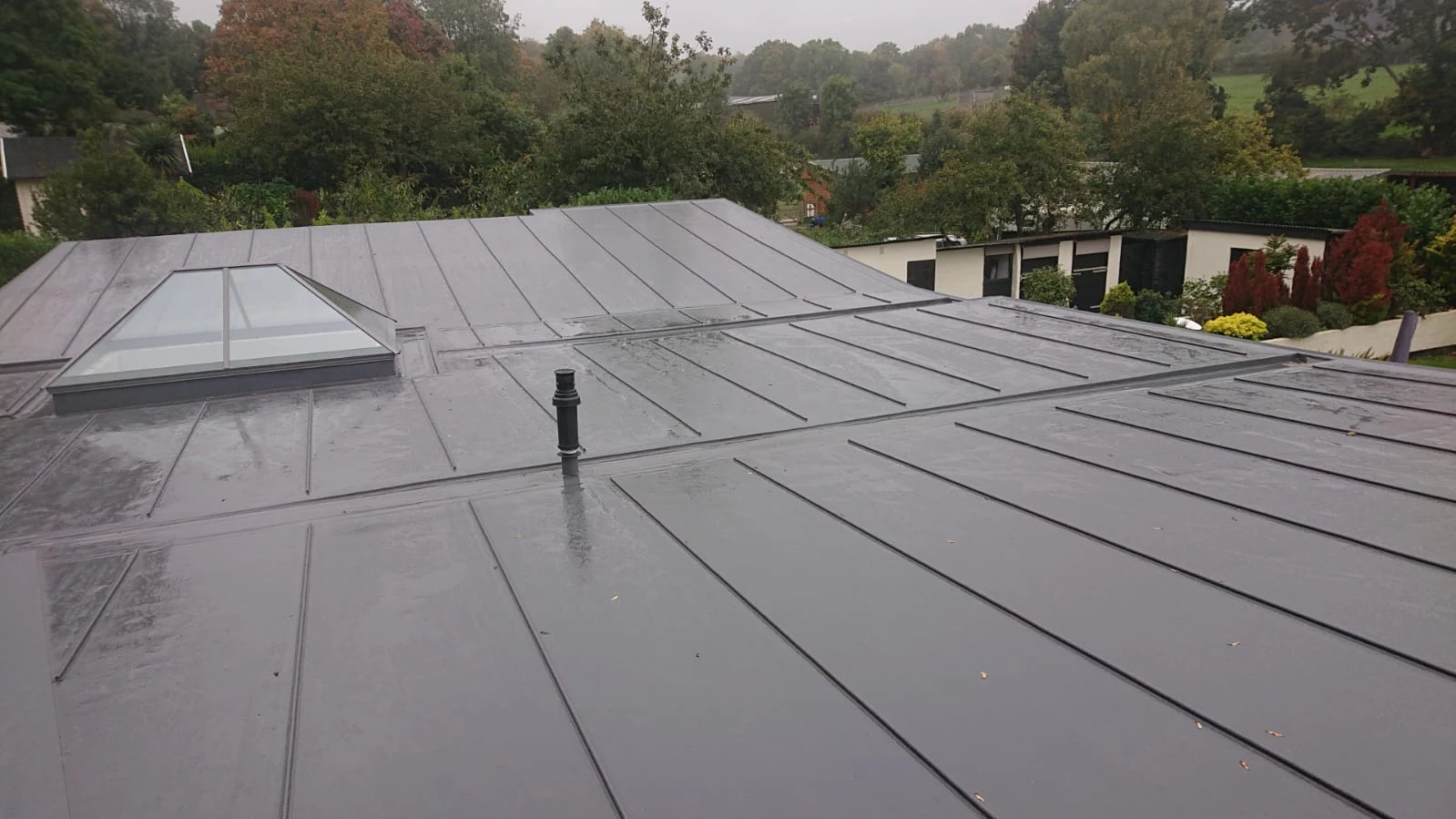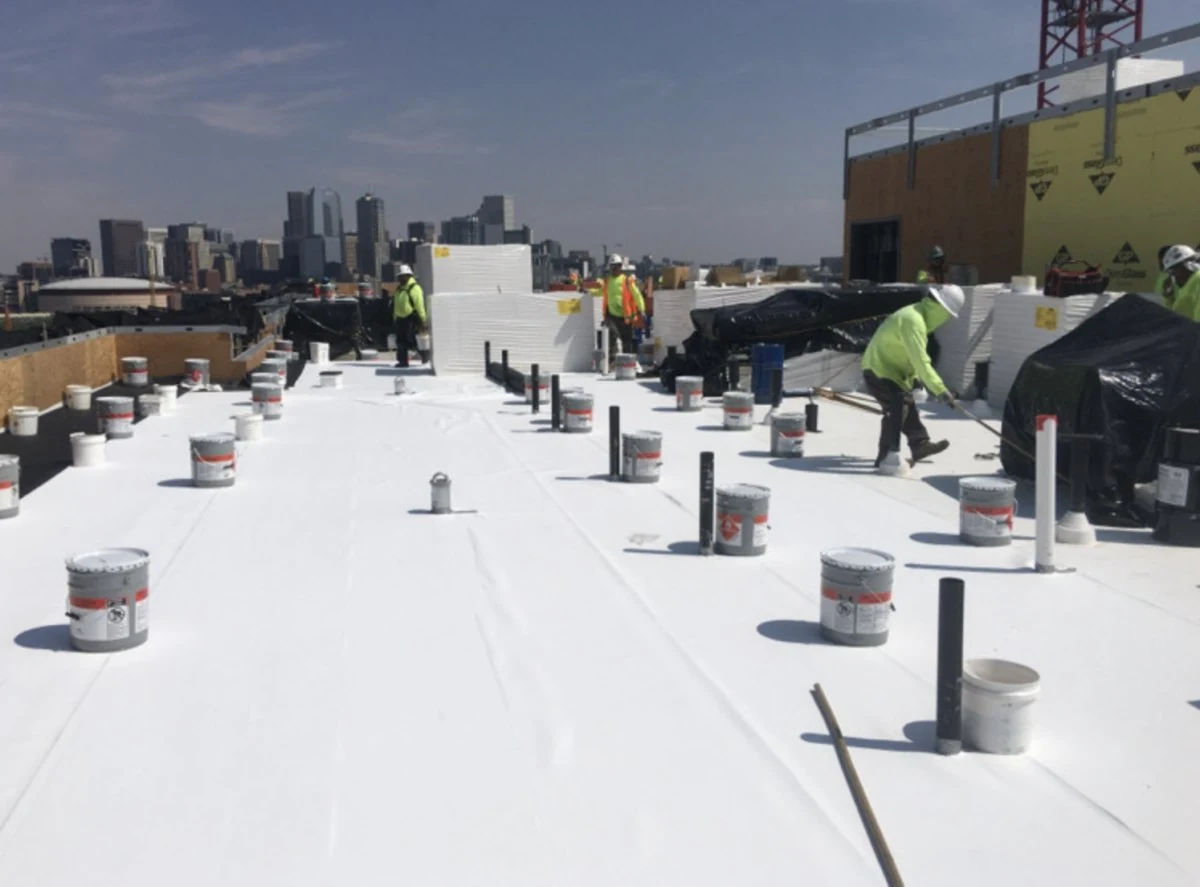
Johns Manville supplies single-ply TPO and PVC lines along with modified bitumen and insulation products we specify across the Roanoke Valley when the building's deck, traffic, and warranty needs point toward their published assemblies. We select Johns Manville product lines the same way we select any manufacturer's, by matching published fastening and performance data to the specific site's wind exposure and climate demands.
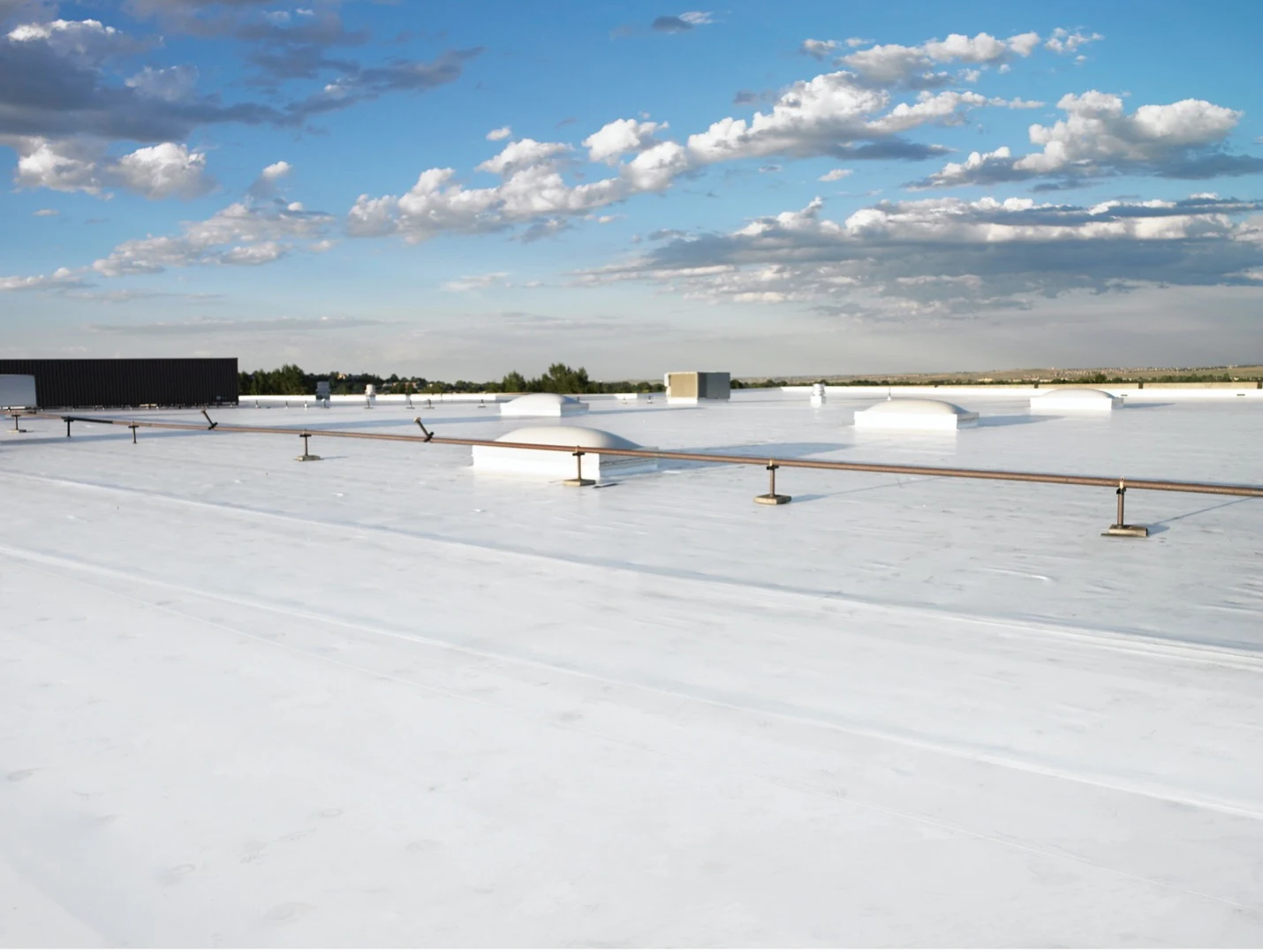
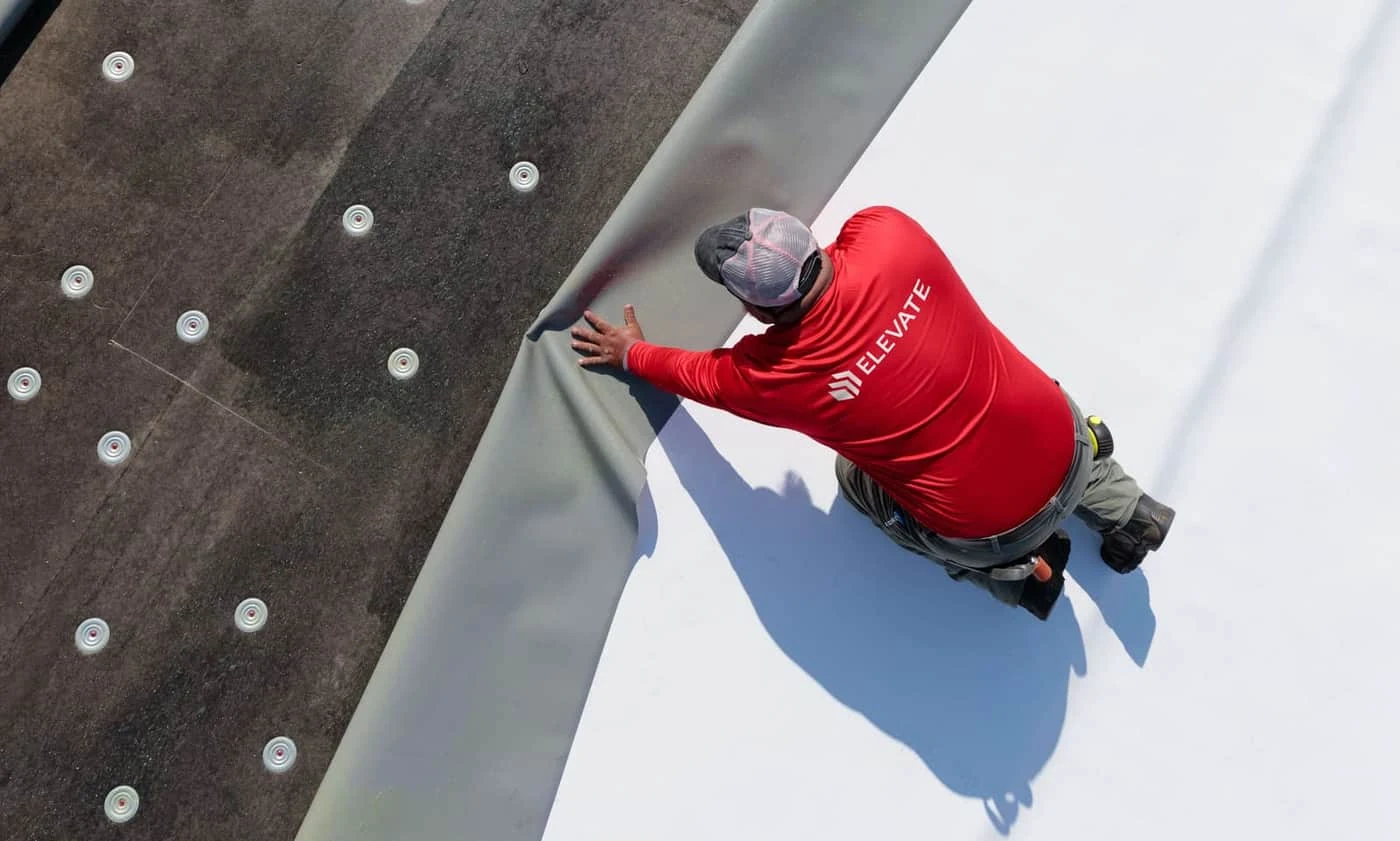
Johns Manville's TPO line covers standard and heavier-gauge membrane options relevant to most Roanoke Valley low-slope commercial roofs, distribution buildings along I-81, retail strips, and office product, with mechanically attached installation as the typical approach on a sound deck. Their PVC line comes into consideration on buildings with grease, solvent, or chemical exposure at the roof surface, restaurant venting or light-industrial process byproducts, where PVC's chemical resistance outperforms TPO over the roof's service life.
We do not default to a single Johns Manville product across every project, the membrane class and thickness follow from what the specific building actually needs.
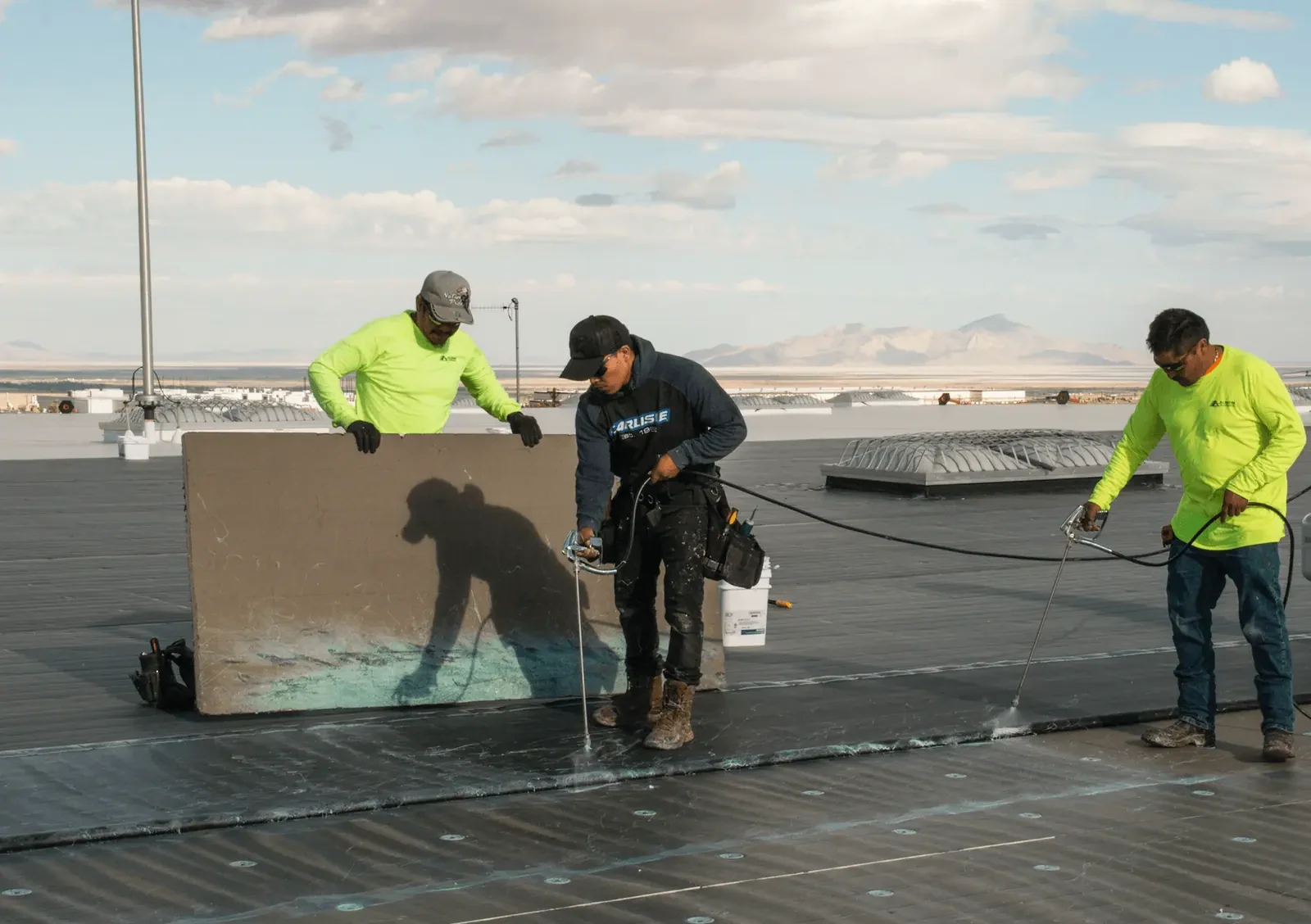
Johns Manville's modified bitumen line is relevant on older Roanoke buildings, particularly around the downtown warehouse district and other historic commercial stock, where a multi-ply asphaltic assembly matches the roof's original construction or where an irregular deck favors a system with built-in redundancy over a single-ply sheet. We follow the manufacturer's published application specifications for cap sheet installation and base sheet fastening on these projects.
For torch-applied modified bitumen work, we apply documented fire-watch protocol on every project, particularly important on occupied downtown buildings with tenants working below the roof deck.
Johns Manville publishes wind-uplift ratings tied to specific fastening patterns, deck types, and attachment methods, and we use that data to calculate the corner and perimeter fastening density for a given Roanoke Valley site, adjusted for whether the building sits under standard valley-floor Exposure C conditions or a higher topographic exposure near a ridge crest or escarpment toward the Blue Ridge Parkway corridor.
Building to the manufacturer's tested assembly rather than a field-adjusted fastening pattern is what keeps the installed roof's uplift rating aligned with the warranty coverage, a distinction we hold to on every Johns Manville project regardless of how routine the building seems.
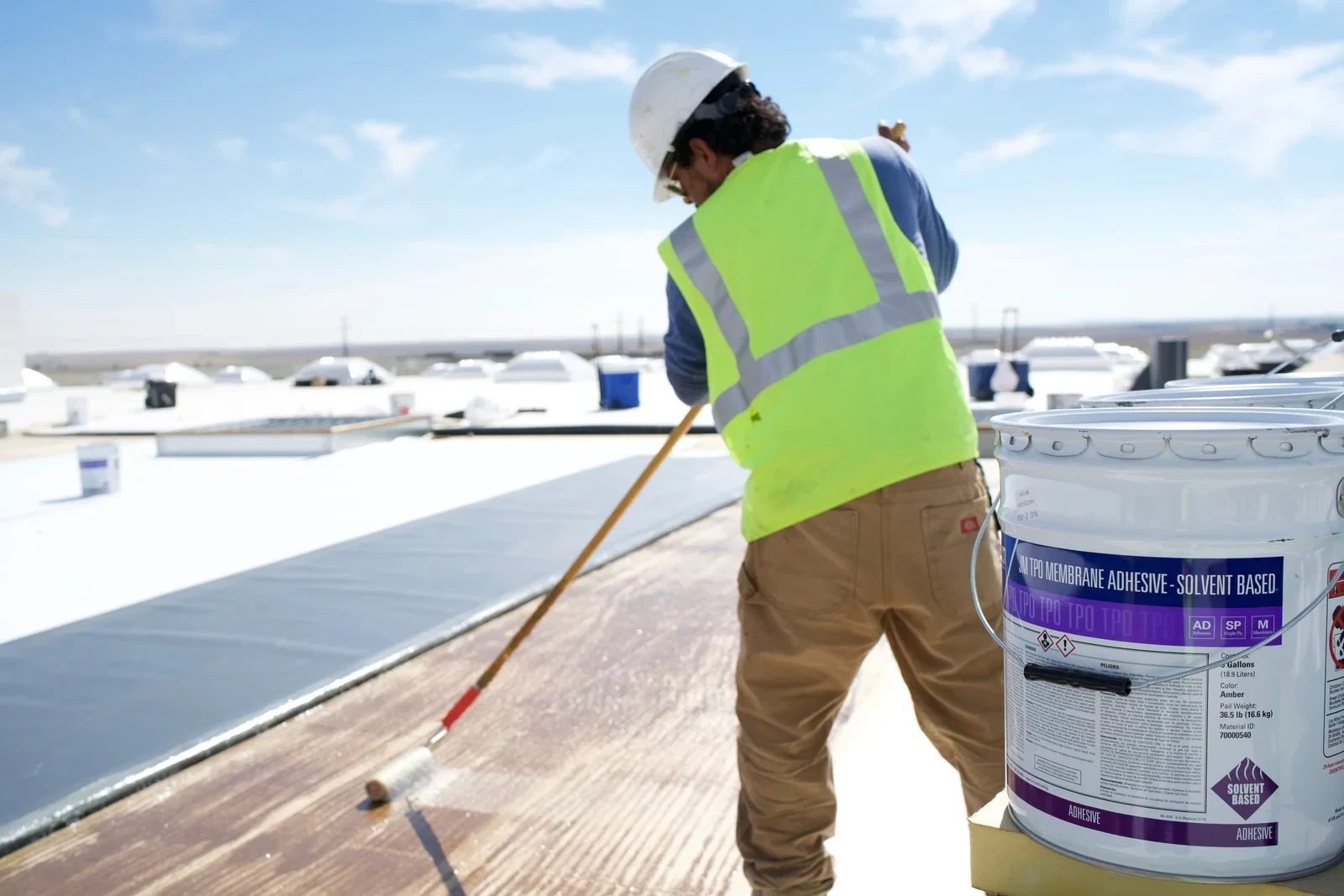
The Roanoke Valley's elevation spread between the valley floor and the surrounding ridgelines produces frequent freeze-thaw cycling through a typical winter, and we follow Johns Manville's published minimum-temperature guidance for weld, adhesive, and asphaltic application accordingly, scheduling around those thresholds rather than working through marginal conditions to hold a deadline.
Seam and bond integrity through repeated freeze-thaw cycling depends on that installation discipline being followed at the time of install, which is why we document application conditions as part of the project record on Johns Manville projects in this climate.
Johns Manville's warranty structure varies by membrane thickness, attachment method, and contractor certification status, with longer no-dollar-limit terms generally requiring a manufacturer-credentialed installer building to published detail drawings, and in many cases a manufacturer field inspection before issuance. We confirm the applicable tier for a specific Roanoke Valley project during scoping, since those requirements shape decisions made before installation starts.
Documentation of the completed assembly, photos, fastening pattern records, seam probe results, is part of every Johns Manville project file we close out, supporting the warranty if a claim is ever needed.
When grease, solvent, or chemical exposure crosses the roof surface regularly, restaurant exhaust venting and industrial process byproducts are the two most common triggers. Most buildings without that specific exposure perform well on Johns Manville's standard TPO line at a lower installed cost.
Johns Manville publishes fastening patterns and uplift ratings tied to deck type and attachment method, and we apply that data against the site's actual exposure, including any topographic wind speed-up factor for buildings near elevated terrain, rather than a single market-wide fastening spec.
Often yes, particularly where the deck has irregular framing or the building was originally constructed with a multi-ply asphaltic roof. The redundancy of a multi-ply system suits buildings with a complicated roof geometry or a long patch-repair history better than a single-ply membrane.
Warranty length and coverage vary by membrane thickness, attachment method, and installer certification level, with the strongest no-dollar-limit terms requiring manufacturer-credentialed installation to published detail drawings. We confirm which tier a specific project qualifies for at the specification stage.
We follow the manufacturer's published minimum-temperature guidance for seam and adhesive work and schedule installation around those thresholds. Seam integrity through years of repeated freeze-thaw cycling depends on a properly cured bond at install, a discipline we hold to closely given this market's winter pattern.