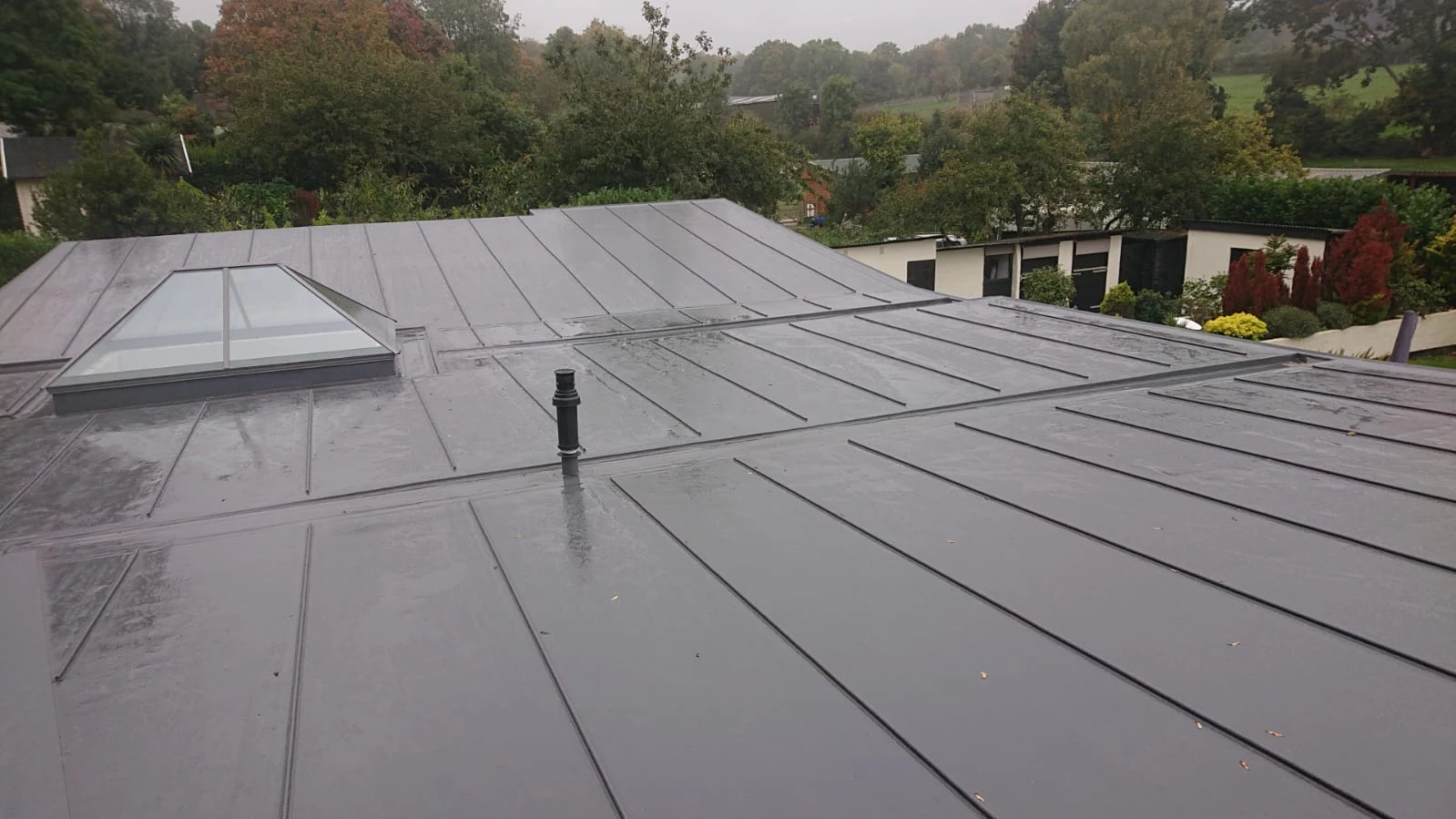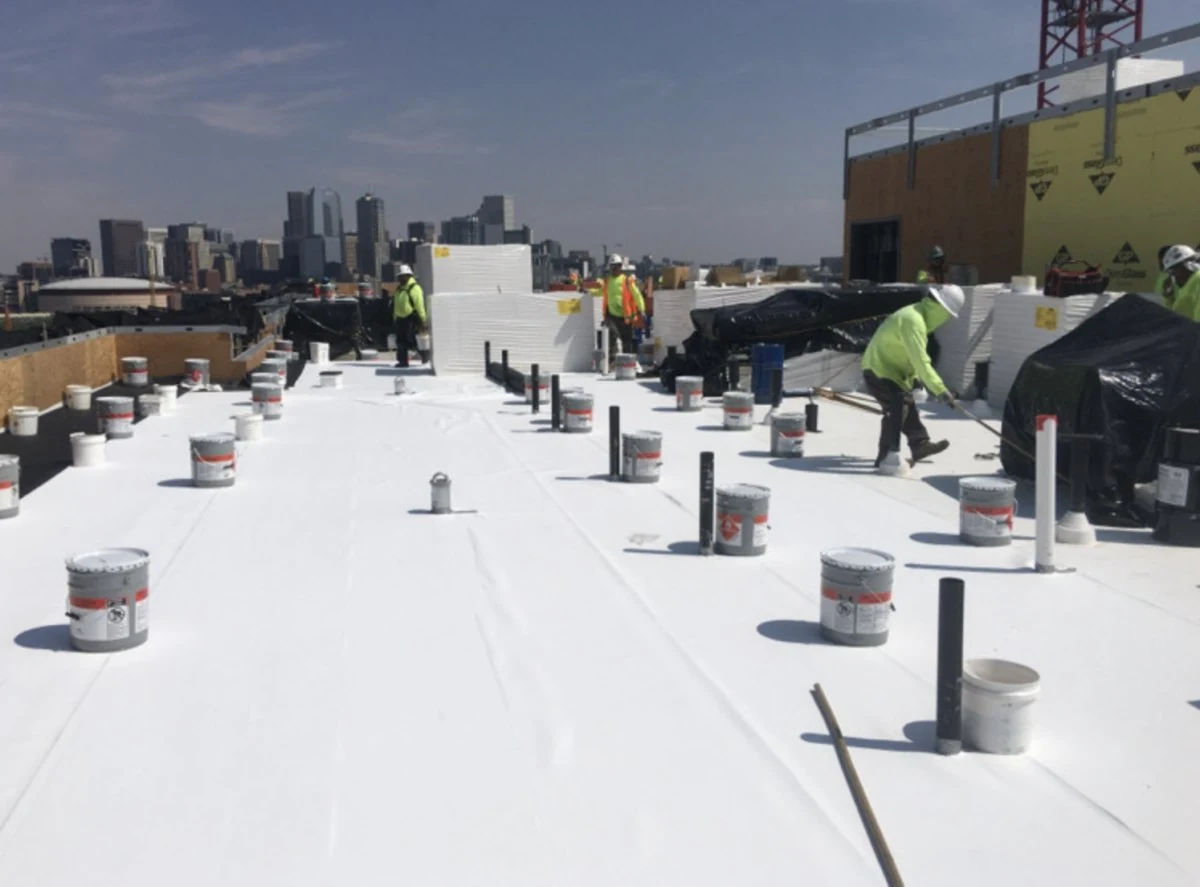
Versico supplies single-ply TPO and EPDM lines along with insulation and accessory components we specify on Roanoke Valley projects where the manufacturer's published fastening data and warranty structure fit the building. We approach Versico the same way we approach every manufacturer, matching product line and thickness to the site's wind exposure, rooftop traffic, and climate demands.
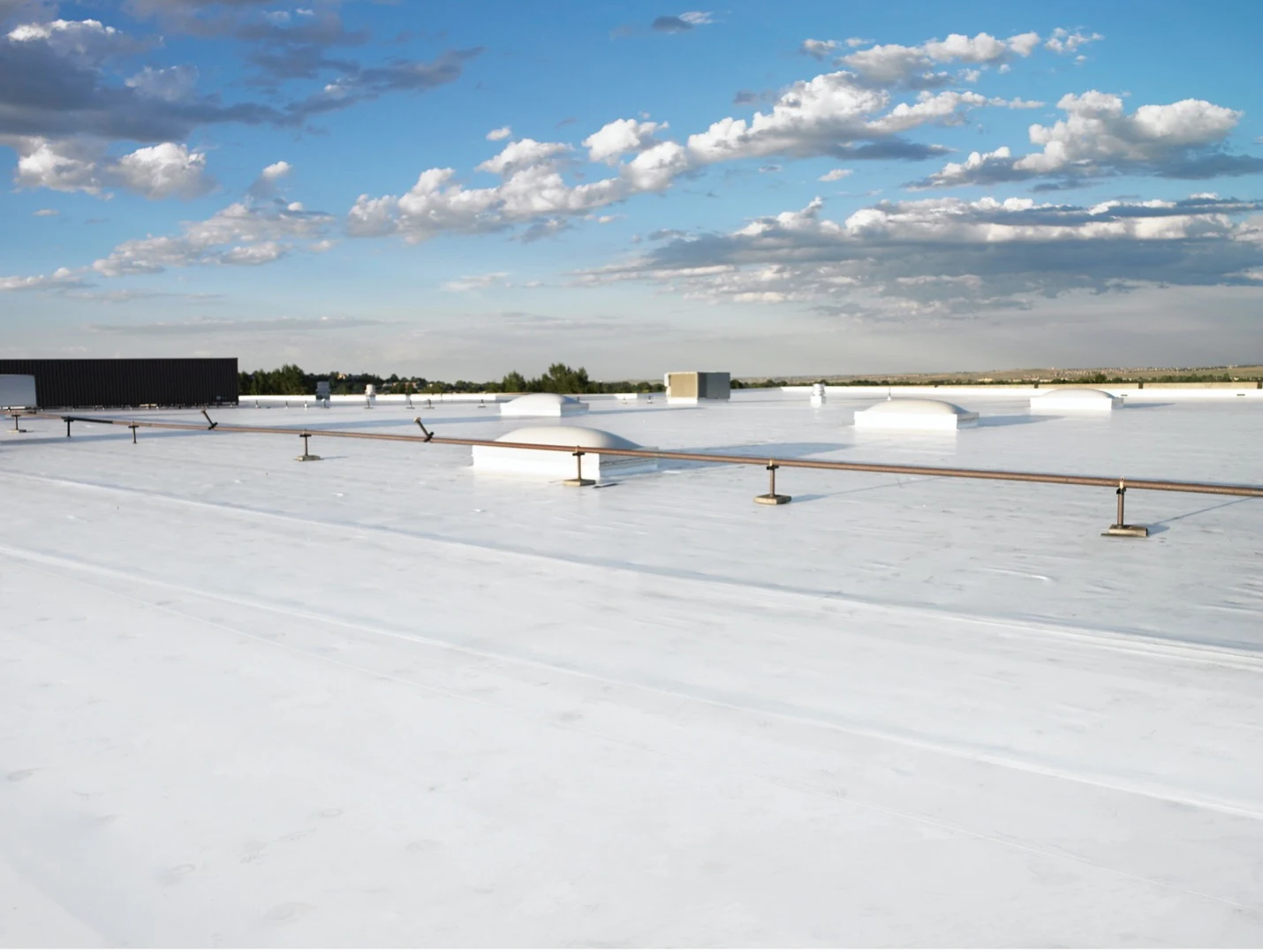
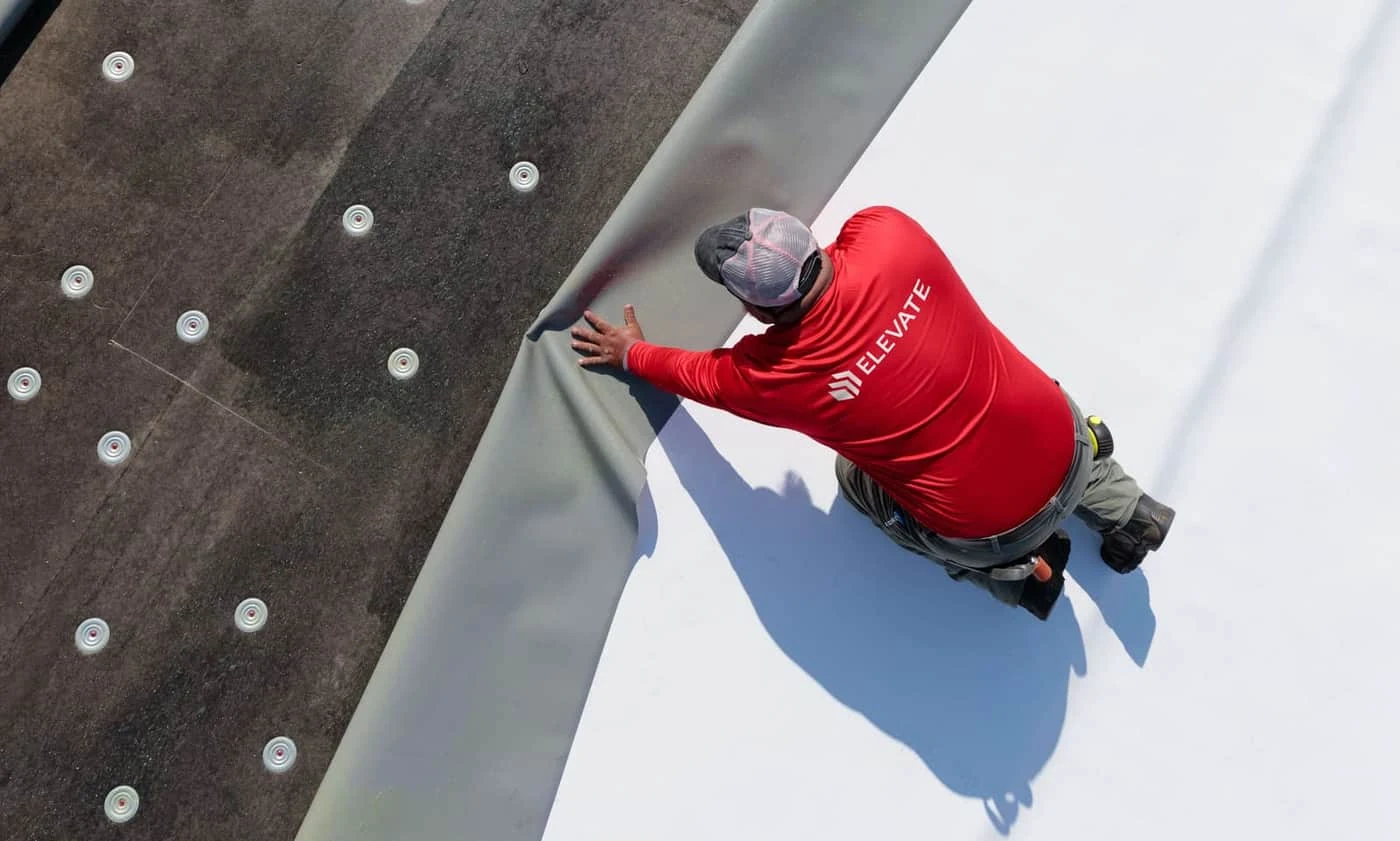
Versico's TPO membrane covers the standard 60-mil and heavier-gauge options relevant to most Roanoke Valley low-slope buildings, distribution space along I-81, retail strips, single-story office product, with mechanically attached installation as the typical approach on a sound deck under standard wind exposure. Their EPDM line, offered in ballasted, mechanically attached, and fully adhered configurations, comes into play on recover projects where an existing roof's insulation and flashing package was originally specified around rubber membrane chemistry and the building owner wants to preserve that compatibility.
We do not treat Versico as a default choice across the market, product selection follows the specific building's deck condition, traffic pattern, and wind exposure zone.
Versico publishes wind-uplift ratings tied to specific fastening patterns, deck types, and attachment methods for its membrane lines, and we calculate the corner and perimeter fastening density for a given Roanoke Valley site against that data, adjusted for whether the building falls under standard valley-floor Exposure C wind pressure or a higher topographic exposure near a ridge crest or escarpment along the Blue Ridge Parkway corridor or toward Bent Mountain.
We build to Versico's tested and documented assembly rather than a field-adjusted fastening pattern, since deviating from the published detail, even with a pattern that looks adequate, can complicate warranty coverage on a claim later.
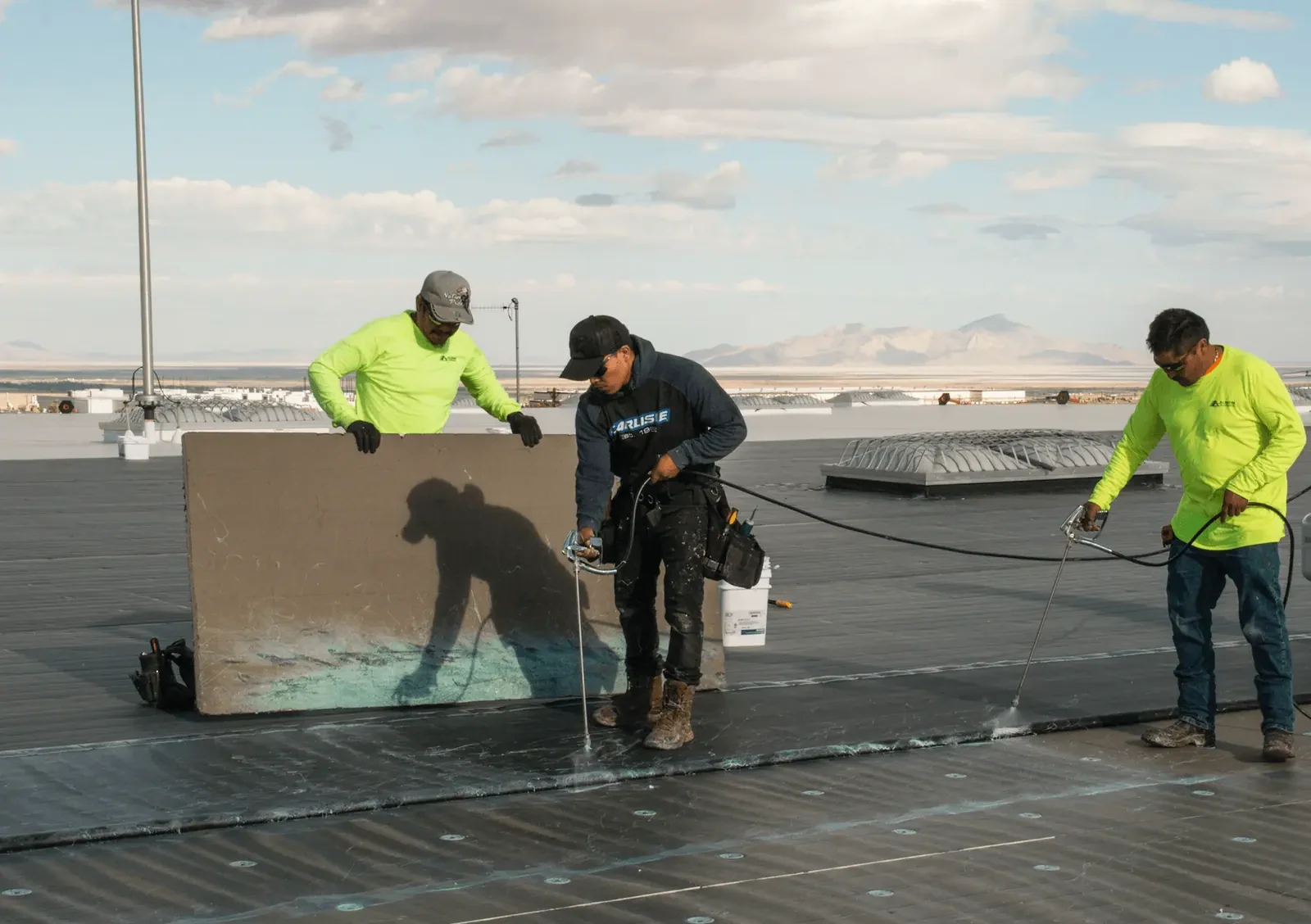
The Roanoke Valley's elevation range between the valley floor and the surrounding ridgelines produces frequent freeze-thaw cycling through a typical winter, and seam durability over years of that cycling depends on the weld or adhesive bond being fully cured at installation. We follow Versico's published minimum-temperature guidance for weld and adhesive procedures and schedule installation around those thresholds accordingly.
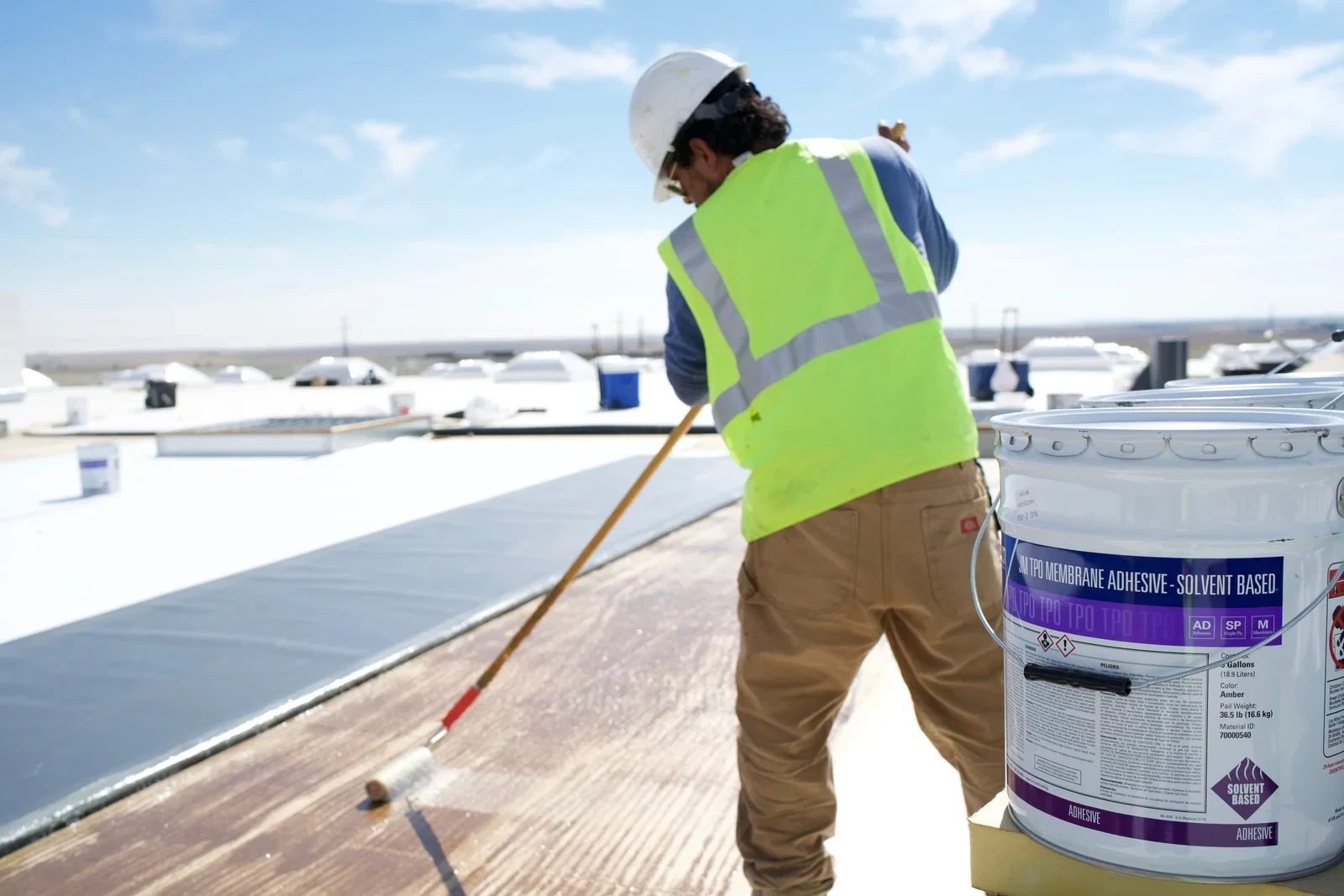
On Versico EPDM specifically, adhesive-cured seams are sensitive to ambient humidity and temperature during installation, our crews check site conditions against the manufacturer's parameters before committing to seam work, particularly during valley fog or high-humidity stretches common in low-lying sections of the market.
Versico offers insulation and cover board products designed to work as a tested assembly with their membrane lines, and using compatible components across the full roof, insulation, cover board, membrane, is often required for the manufacturer's stronger warranty tiers. On recover projects where the existing insulation is a different manufacturer's product, we document compatibility before specifying Versico membrane over it rather than assuming interchangeability.
Cover board density also factors into hail and impact resistance, relevant on Roanoke Valley buildings exposed to the severe thunderstorm activity this region sees in warmer months.
Versico's warranty structure varies by membrane thickness, attachment method, and contractor certification status, with longer no-dollar-limit terms generally requiring installation by a manufacturer-credentialed contractor building to published detail drawings, and in many cases a manufacturer field inspection before issuance. We confirm the applicable warranty tier for a specific Roanoke Valley project at the specification stage, since it shapes decisions made before installation begins.
Seam probe results, fastening pattern documentation, and installation condition records are part of every Versico project file we close out, supporting the warranty if a claim is ever needed.
We most often use Versico's TPO membrane for distribution, retail, and light-industrial buildings, with their EPDM line reserved for recover projects where the existing roof was originally specified around rubber membrane chemistry. Product selection follows the building's deck condition, rooftop traffic pattern, and existing assembly history.
Versico publishes fastening patterns and uplift ratings tied to deck type and attachment method, and we apply that data against the site's actual exposure, including any topographic wind speed-up factor for buildings near elevated terrain, rather than a single market-wide fastening spec.
Often yes, the stronger warranty tiers typically require manufacturer-tested compatible components across insulation, cover board, and membrane. We confirm compatibility during specification, particularly on recover projects where the existing insulation is from a different manufacturer.
We follow Versico's published minimum-temperature guidance for seam and adhesive work and schedule installation around those thresholds. Seam integrity through years of repeated freeze-thaw cycling depends on a fully cured bond at install, a discipline we hold to closely in this climate.
Often yes, provided moisture cores confirm dry insulation and a sound deck, and the building has not reached the code limit on membrane layers. Staying within compatible manufacturer components on a recover can simplify the resulting warranty structure.